Are Earth Rated Poop Bags Compostable? Materials and Buying Guide
Earth Rated's current refill bags use recycled plastic. Understand their composition, dimensions, scent choices, and why recycled does not mean compostable.
Featured Options Compared in This Guide
Full specs & notes ↓Earth Rated’s current refill bags are recycled-plastic bags, not a compostable purchase. Its FAQ identifies 65% post-consumer recycled plastic and 35% virgin plastic, with HDPE and LLDPE listed as the plastic types. The current refill product page describes the same recycled-content proposition. These are manufacturer disclosures from its Canadian pages, not an independent material assay or confirmation of every regional package.
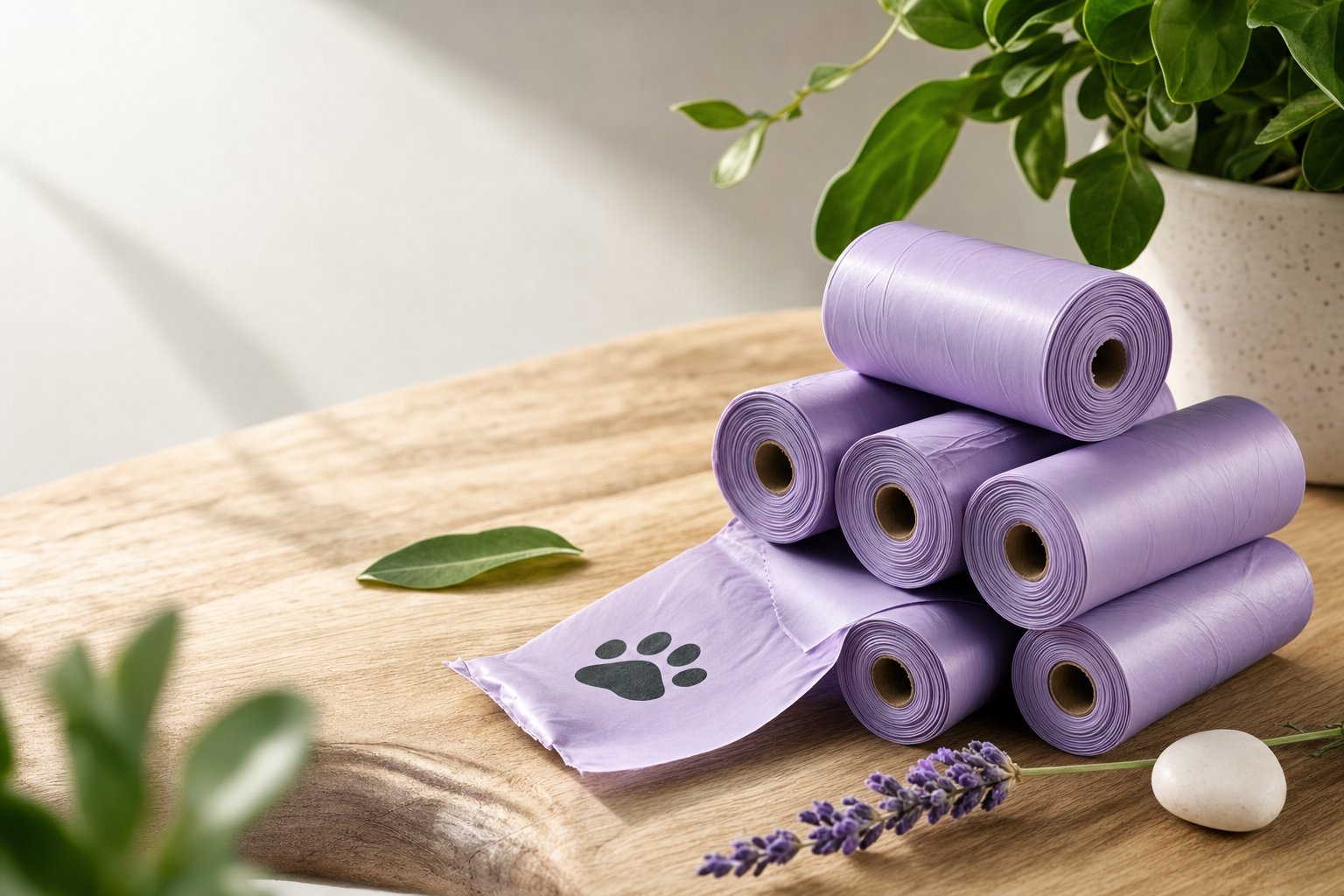
The header is a decorative illustration of unbranded bags, not a photograph of Earth Rated products.
If a marketplace title calls an Earth Rated bag compostable, check the actual bag material and applicable certificate before buying. A green package alone does not establish compostability. The current recycled refill bags should not go into a compost bin.
What the current specifications tell you
| Feature | Manufacturer information | How to use it |
|---|---|---|
| Recycled content | 65% post-consumer plastic | A feedstock disclosure, not a claim that a used bag is recyclable |
| Refill-bag dimensions | 9 × 13 inches | Check hand coverage, waste volume, and enough spare film for a knot |
| Thickness | FAQ states 15 microns | Useful specification, but not a measured tear-rate comparison |
| Unscented option | No added fragrance; a material smell is possible | Suitable to compare if you prefer to avoid added scent |
| Dispenser format | Refill rolls intended for the brand’s dispenser | Compare the roll with an existing dispenser before replacing it |
The dimensional and thickness details come from the brand’s FAQ. This review does not establish a puncture rate, comparative odor containment, or guaranteed fit in every third-party dispenser. Product choices and pack counts vary by market.
A sensible fit for ordinary trash collection
These bags are worth comparing if your local system sends bagged pet waste to general waste and you want a stated recycled-content percentage. The claim concerns material already used before manufacture. The bag becomes contaminated after pickup, so do not put it in a film-recycling collection.
For each pickup, inspect the bag for visible damage, open it fully, turn it around the waste, and leave enough room to tie it securely. Carry it to the designated disposal bin. A larger dog, a large hand, or multiple pickups may need more usable space than a standard refill bag provides; judge by dimensions rather than a universal dog-weight cutoff.
When compostable bags are relevant
A compostable bag is useful only with a disposal route that accepts both the bag and pet waste. Industrial compostability does not establish home-compost suitability or quick degradation in landfill. The FTC’s Green Guides summary specifically distinguishes compostability claims from unqualified degradability claims after customary disposal.
EPA also lists pet waste and cat litter as materials to keep out of ordinary home compost. Do not assume that growing only ornamental plants makes a casual dog-waste pile an adequately managed treatment system.
If a specialist pet-waste service is available, get its accepted-bag requirements before shopping. Otherwise, paying more for a compostability claim does not buy access to composting.
Buying without stockpiling the wrong bag
Try a small pack before setting up recurring deliveries. Check whether the film opens readily for you, whether the roll fits your dispenser, and whether a full pickup can be tied without stretching the bag tightly. Those are household fit questions, not properties established by a star rating.
Compare the delivered cost divided by the actual bag count. Do not compare a scented bulk pack with a differently sized handle bag as though their counts were interchangeable. There is no current price or subscription discount assumed here.
For alternatives organized around the waste destination, see choosing dog poop bags.
Sources
Products Compared in This Guide
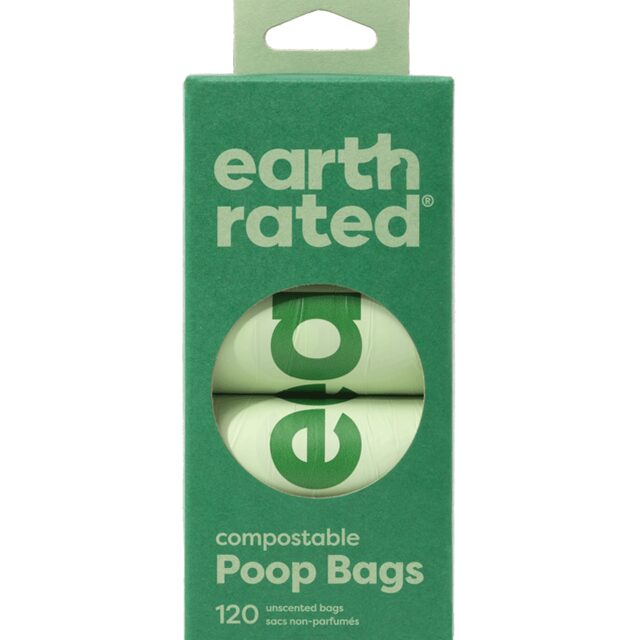
Earth Rated Compostable Dog Poop Bags (270 count)
ASTM D6400 certified compostable, lavender-scented, thick at 15 microns, no splitson pickup. The 270-bag bulk pack is the best value in the line — 4-5 months of supply for one dog. These are the bags you actually want to use every day.
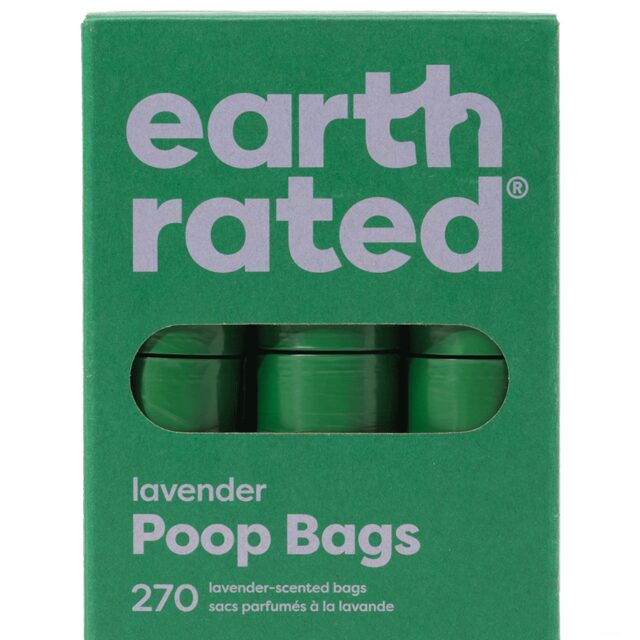
Earth Rated Standard Dog Poop Bags (270 count)
The original lavender-scented polyethylene bags. Slightly cheaper than the compostable version, same thickness and dispenser compatibility. If industrial composting isn't available in your area and you're cost-sensitive, these are still far better than generic store-brand bags that split.
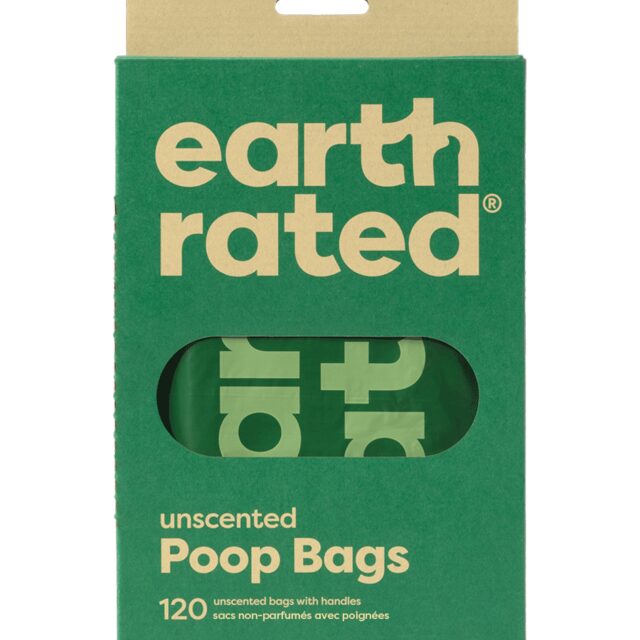
Earth Rated Extra Large Dog Poop Bags (120 count)
For large-breed dogs (70+ lbs). The extra size means you get the bag around your hand and still have room to fold and seal. Thick enough for the biggest messes. The lavender scent helps at close range. Unscented version also available.
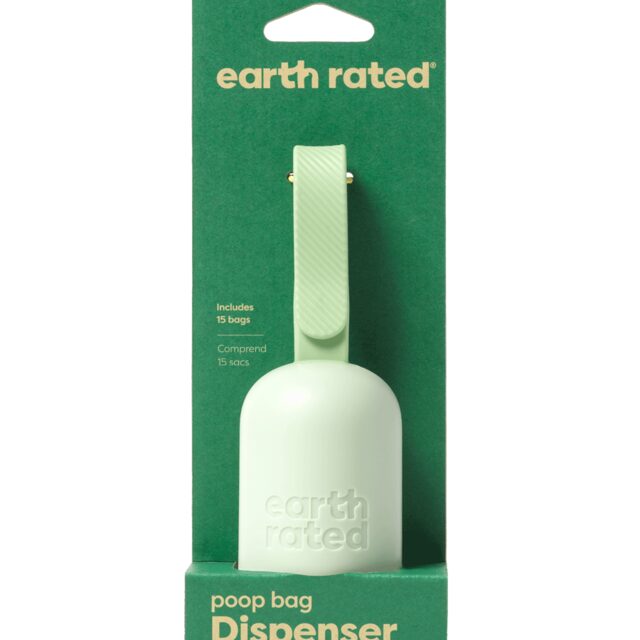
Earth Rated Bag Dispenser (Teal)
Clips to any leash, holds a standard Earth Rated roll, has a snap closure so bags don't unroll in your pocket. Not an essential purchase but a genuinely useful $8 add-on that makes the routine slightly less annoying.
Frequently Asked Questions
Are current Earth Rated refill bags compostable?
The current refill line is a polyethylene bag made with 65% post-consumer recycled plastic and 35% virgin plastic. It should not be treated as a compostable bag.
Are unscented Earth Rated bags odorless?
The manufacturer says no fragrance is added, but recycled material may still have a slight smell. Unscented does not promise complete absence of odor.