Featured Options Compared in This Guide
Full specs & notes ↓Start sustainable pet care by keeping useful supplies in service and making recurring purchases more deliberate. Buy a food your pet can eat and you can use before it deteriorates. Pick waste bags for the disposal route you actually have. Choose litter the cat will use and beds you can clean. A new “eco” kit is unnecessary when the current equipment works.
The practical aim is to avoid waste without compromising nutrition, hygiene or comfort. There is no single material or label that settles all three.
Find your household’s next useful change
Walk through one week of care and note what you discard or replace. This gives you a better starting point than a shopping list of products someone else uses.
| What you notice | A useful next step | What to keep in view |
|---|---|---|
| Part-used food going stale | Buy a smaller bag or adjust delivery timing | Food suitability and storage instructions |
| Frequent waste-bag purchases | Compare bag fit, material disclosure and disposal route | A bag must reliably contain the waste |
| A torn bed cover over a usable insert | Look for a compatible replacement cover | Fit, washability and the pet’s support needs |
| Toys routinely dismantled | Reconsider the design and play style before buying more | A recycling claim does not make damage safe |
| Litter abandoned after a switch | Retain a familiar option and investigate the reason | Preference and medical problems can both affect box use |
Choose one change at a time. That makes it easier to recognize a rejected litter, an unsuitable food or a hard-to-clean bed before buying more of it.
Food: adequacy before sourcing claims
A suitable main diet needs the right nutritional adequacy statement for the species and life stage. FDA explains that “complete and balanced” is supported through meeting nutrient profiles or an appropriate feeding trial; treats and supplements are not necessarily intended as a sole diet. FDA pet-food guidance.
Once nutritional fit is established, compare sourcing information that matters to you. Open Farm, for example, publishes ingredient-origin information and a lot-code lookup for its Turkey & Ancient Grains recipe. That gives owners something specific to examine, but is not proof of a lower total environmental footprint or better health than all alternatives. The Open Farm review distinguishes two turkey recipes and shows how to calculate daily feeding cost.
For a lower-waste buying routine, keep a note of the recipe, bag-opening date and reorder point. Bulk buying is useful only when the food will be consumed within its storage directions. Leave room in an autoship schedule for what is already in the cupboard.
Do not switch to raw food because it sounds less processed or more natural. CDC does not recommend raw pet food or treats; freezing and freeze-drying do not kill all germs. CDC pet-food safety.
Waste bags: buy for the bin you have
Earth Rated’s current Poop Bag Refill Rolls are described as 65% certified post-consumer recycled plastic. The brand’s material FAQ identifies the remaining 35% as virgin plastic. These plastic bags belong in the trash after use, subject to local waste rules; keep soiled bags out of recycling. A pet-waste fact sheet hosted by EPA describes the same bag-and-trash disposal method.
For everyday walks, first check that a bag is big enough to pick up and tie securely, and that a roll fits the dispenser you already own. Paying for a scent does not change where the used bag belongs. Keep sufficient bags accessible so material preferences do not interfere with picking up after the dog.
If you have a specialist pet-waste collection service, ask it to identify the exact bags and contents it accepts before buying compostable ones. Do not assume a food-scrap service accepts feces. EPA’s home-composting guidance lists pet waste and cat litter as materials to avoid, along with compostable bags that backyard conditions may not adequately break down. EPA composting guidance.
The disposal destination matters more than whether the package is green or brown. Follow local waste instructions and do not leave a filled bag outdoors expecting a biodegradability claim to solve the problem.
Cat litter: acceptance is part of the specification
Wood, paper, corn and clay products can differ substantially in grain size, weight, dust, clumping and odor. Begin with a small quantity and compare the actual product, not just its base material. Keep the familiar litter available while evaluating a new one instead of forcing a complete overnight change.
Cornell notes that many cats prefer unscented, fine-textured litter, and that house soiling can have medical as well as litter-box causes. A cat who suddenly stops using the box should be checked by a veterinarian. Cornell litter-box guidance.
For each candidate, ask: Does the cat enter willingly? Is it practical to scoop? Does it track into the rest of the home? Can you keep the box clean without discarding large amounts of unused material? A low-priced bag that must be replaced frequently may be a poor fit for your routine.
Plant-derived litter still contains pet waste once used. Do not infer home-compost suitability from the clean material. For specific material tradeoffs, see the eco cat litter guide.
Beds and accessories: replace the worn component
Before discarding a bed, determine what has failed. A damaged cover, unusable filling and inadequate support are different problems. Measure the existing insert and check whether the replacement cover’s dimensions allow it to fit without compressing or bunching.
Molly Mutt’s stuffable bed is a concrete alternative when you already have suitable spare textiles: it pairs a cotton-canvas cover with a stuff sack for owner-supplied filling. The manufacturer describes it as washable and says the standard bed is not waterproof. That can suit a household wanting to reuse clean pillows or blankets; it does not establish orthopedic performance or treat separation anxiety.
Do not use a loose textile filling simply because it is available if the dog needs a different support surface. Check that the assembled bed remains comfortable, stable and clean, and stop use if the dog opens it or eats filling. More bed-selection considerations are in the sustainable dog bed guide.
For collars and leashes, inspect fasteners, stitching and webbing before judging a recycled-content label. Do not improvise repairs to a load-bearing restraint. For cat furniture, prioritize stability and appropriate installation, then ask whether scratching surfaces or worn parts can be replaced.
Toys: choose the activity, then the material
Buying a tougher-looking toy will not necessarily solve a mismatch in play style. A dog interested in food extraction needs a different design from one that prefers carrying or tugging. Start with one suitable toy, supervise it and inspect for damage.
West Paw offers a specific end-of-use route: Join the Loop accepts returned Zogoflex and Seaflex toys for processing into new toys. You have to use that route; the product is not automatically accepted in curbside recycling. Our Tux and Hurley comparison covers fit, cleaning and the limited replacement guarantee.
Keep safe toys that still work, rotate what your pet already has, and avoid a large purchase based on an indestructibility promise. A toy that breaks should come out of use promptly, regardless of its material or price.
Grooming and cleaning: reduce extras, preserve hygiene
A maintained brush, washable towels and a suitable shampoo can form a compact grooming kit. Select brush geometry for coat type and shampoo for the animal; an attractive bamboo handle or an organic ingredient does not settle either question. Our natural pet shampoo guide compares two fragrance-free options and explains their different formulas.
Washable supplies still need cleaning. CDC’s example schedule includes washing wet-food bowls after use and dry-food and water bowls daily; washable bedding needs regular care too. Follow each item’s material instructions. CDC pet-supply hygiene guidance.
For household cleaners, a correctly diluted refill can reduce repeated bottle purchases when you keep using the bottle. It must still suit the job. Keep pets away during use and complete label-directed rinsing and drying. Our cleaning guide for homes with pets explains why a scented counter tablet is not automatically a floor cleaner or disinfectant.
A replacement plan you can maintain
Use up an appropriate grooming or cleaning product before trying another. At the next food order, check how much remains and adjust the quantity. When a bed or toy wears out, compare repair, component replacement and a better-fitting design. Record actual purchase frequency if you want to assess savings; package claims cannot predict your household’s results.
A successful change is one the pet accepts and the household can maintain. Protect the nutrition and care routines that already work while reducing unnecessary purchases around them.
Shopping link: Search Amazon for Earth Rated refill rolls. This is an affiliate search, not a verified offer; compare the material, scent and bag count in each listing. We may earn a commission from qualifying purchases.
Sources
- FDA: Complete and balanced pet food
- CDC: Pet food safety
- Earth Rated: Refill-roll material and EPA-hosted pet-waste disposal fact sheet
- EPA: Composting at home
- Cornell: Feline house soiling and litter preferences
- Molly Mutt: Stuffable bed construction and care
- West Paw: Join the Loop
- CDC: Cleaning pet supplies
Products Compared in This Guide
Earth Rated refill rolls
Compare current manufacturer specifications, materials, and package options for Earth Rated refill rolls.
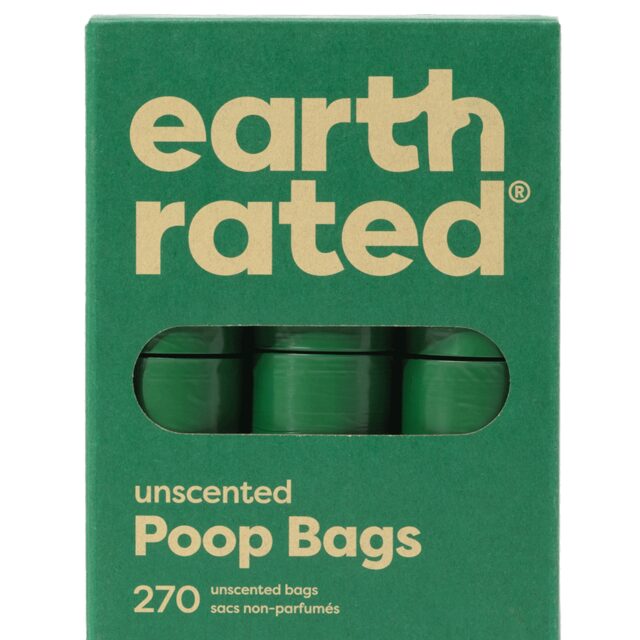
Earth Rated Compostable Dog Poop Bags (270 count)
ASTM D6400 certified compostable, lavender-scented, thick enough to not split on the pickup. 270 bags on a roll set — the bulk value makes it the easiest recurring purchase in your pet routine. Far better than the unscented store-brand bags that fail half the time.
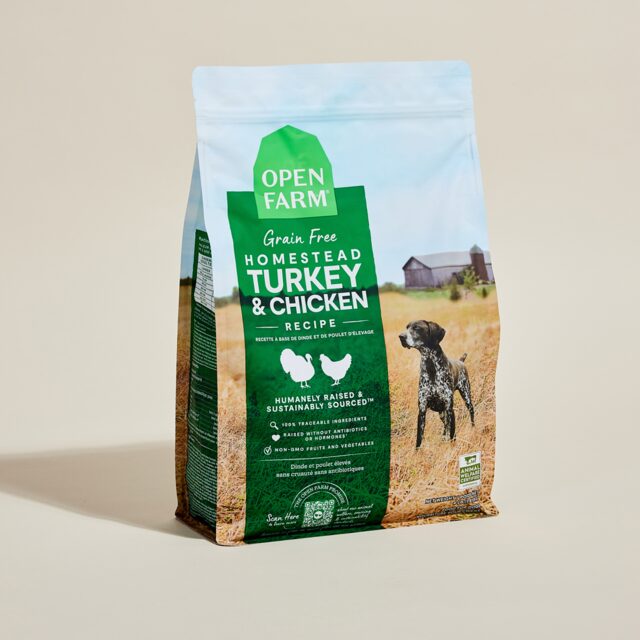
Open Farm Homestead Turkey & Chicken Dry Dog Food (22 lb)
Humanely raised poultry certified by Global Animal Partnership (GAP), non-GMO vegetables, no synthetic preservatives. Ingredient list reads cleanly. The 22 lb bag lasts a 55-lb dog about 6 weeks. Premium price is justified by sourcing transparency most kibble brands don't come close to.
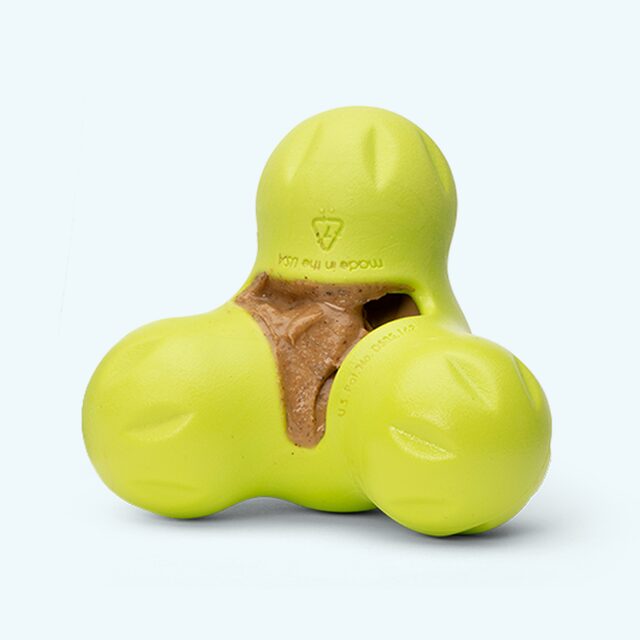
West Paw Zogoflex Tux Treat Toy
Made in the USA from non-toxic Zogoflex — no BPA, no phthalates, no latex. Dishwasher-safe. The wobble shape keeps a powerful chewer engaged longer than a straight Kong. West Paw replaces it free if your dog destroys it. That guarantee matters.
Frequently Asked Questions
What is the easiest way to make pet care less wasteful?
Keep suitable gear in use, buy food in quantities you can store and use properly, and replace worn components where possible. Change recurring purchases one at a time so you can tell whether the replacement works for your pet.
Are Earth Rated refill bags compostable?
The current refill-roll product discussed here is made from 65% certified post-consumer recycled plastic, according to Earth Rated. Use regular trash for the used bags, following local waste rules. Do not confuse these with compostable bags.
Can I put pet waste in my backyard compost?
EPA lists pet waste and cat litter among materials to avoid in a home compost pile. A compostability claim on a bag does not establish that its contents belong there.
Does a sourcing certification prove pet food is healthier?
No. Match nutritional adequacy, species, life stage and medical needs first. A sourcing claim answers a different question and does not establish superior health outcomes.