Natural Pet Shampoo: Fragrance-Free Options and Grooming Advice
Compare 4-Legger and earthbath fragrance-free shampoos, understand organic labels, and choose brushes and a bathing routine for your pet's coat.
Featured Options Compared in This Guide
Full specs & notes ↓For routine dog bathing, start with a shampoo made for dogs and without added fragrance. Choose the brush for the coat it must reach, then consider packaging and handle materials. An organic label can tell you something about ingredient production; it cannot predict whether a shampoo will suit an itchy dog.
VCA’s veterinary grooming guidance recommends dog-formulated shampoo and a perfume-free hypoallergenic option for routine use. If the problem is recurring itching, sores or coat changes, get veterinary advice before trying another cosmetic wash.
Two fragrance-free shampoos to compare
This comparison uses published formulas and directions, without a GreenChoice bathing trial. For a skin condition requiring treatment, follow your veterinarian’s prescription.
| Option | What the manufacturer discloses | Useful distinction |
|---|---|---|
| 4-Legger Organic Unscented Hypoallergenic Dog Shampoo with Aloe | Saponified organic coconut, olive and jojoba oils, organic aloe vera, and rosemary extract; no added fragrance or essential oils | A soap-based option for someone specifically seeking the brand’s USDA organic positioning |
| earthbath Hypoallergenic Shampoo | Plant-derived and coconut-based cleansers, organic aloe, vitamins, panthenol, citric acid and phenoxyethanol; fragrance- and dye-free | A soap-free alternative; its cleanser description is broader than a list of individually named surfactants |
Choose 4-Legger if you prefer its disclosed oil-based cleansing formula and your dog tolerates it. The brand offers a small trial size, which is more practical than buying a gallon before trying a new shampoo. Its directions call for a small amount on a thoroughly wet coat, adding water to help distribute it, and thorough rinsing. Keep shampoo out of the eyes and use a damp cloth on the face. Those are manufacturer directions, not evidence of superior cleaning or allergy relief.
Choose earthbath if you want a fragrance-free, soap-free formula and accept the ingredient disclosure above. The manufacturer specifies pets over six weeks old, at least 90 seconds before rinsing, and optional dilution of ten parts water to one part shampoo. It says to discard diluted shampoo after 24 hours. Stop use and contact your veterinarian if irritation develops. Follow the bottle you receive if its directions differ. earthbath ingredients and instructions.
A preservative appearing on a label is not, by itself, a reason to reject the whole formula. Conversely, the absence of synthetic ingredients does not establish that a shampoo cannot irritate skin. For a pet with a known ingredient reaction, take the complete list to the veterinarian rather than treating “hypoallergenic” as a guarantee.
Read the organic claim precisely
USDA distinguishes “organic” from “made with organic” ingredients. The organic category requires at least 95% organic ingredients, excluding salt and water, with restrictions on the remaining ingredients. Merely including organic aloe does not mean the finished shampoo qualifies for the USDA seal. USDA organic labeling guidance.
4-Legger markets the finished product as certified organic. earthbath identifies organic aloe within its ingredient list. Those are different claims. Neither establishes that wastewater is harmless to aquatic life, that the bottle is compostable, or that the product treats an infection.
“Sulfate-free” and “plant-based” also describe limited aspects of a formula. They do not tell you its full composition, the amount to use, or your pet’s response. Avoid choosing by the longest list of absent ingredients.
Build the kit around the coat
For smooth coats, a flexible grooming glove or short-bristle brush can be a useful starting point. Curly coats may need a slicker; long coats may benefit from a long-toothed comb. Work gently and have a groomer handle severe mats rather than cutting them out with scissors. Remove tangles before bathing. These coat-specific distinctions come from VCA’s grooming guide.
A bamboo handle is optional. Look at whether the pins stay secure, whether the grip is comfortable, and how the brush can be cleaned. A mixed brush with a rubber pad, metal pins, glue and a finished handle should not be assumed compostable. Keep a serviceable brush instead of replacing it solely to change its handle material.
For ordinary muddy paws, keep a washable cloth and towel by the door. Disposable wipes can be convenient away from home, but check the species and body-area directions: a wipe for coat cleaning is not automatically an eye, ear or wound product. Surface disinfecting wipes belong in the cleaning cupboard, not the grooming kit.
Cats need their own decision
Most cats manage their own coat cleaning; a bath may be needed for unusual soiling. Use a cat-labeled product and seek professional help if handling becomes unsafe. ASPCA advises careful rinsing and using plain water on a washcloth for the face. ASPCA cat grooming guidance.
For the rest of the routine, see our sustainable pet care guide. For floors, bowls and bedding, use the separate household cleaning guide for pet owners.
Shopping links: Search Amazon for 4-Legger Unscented shampoo or earthbath Hypoallergenic Shampoo. These are affiliate searches, not verified offers; check the formula and size in each listing. We may earn a commission from qualifying purchases.
Sources
Products Compared in This Guide
4-Legger Unscented shampoo
Compare current manufacturer specifications, materials, and package options for 4-Legger Unscented shampoo.
Earthbath Hypoallergenic Shampoo
Compare current manufacturer specifications, materials, and package options for Earthbath Hypoallergenic Shampoo.
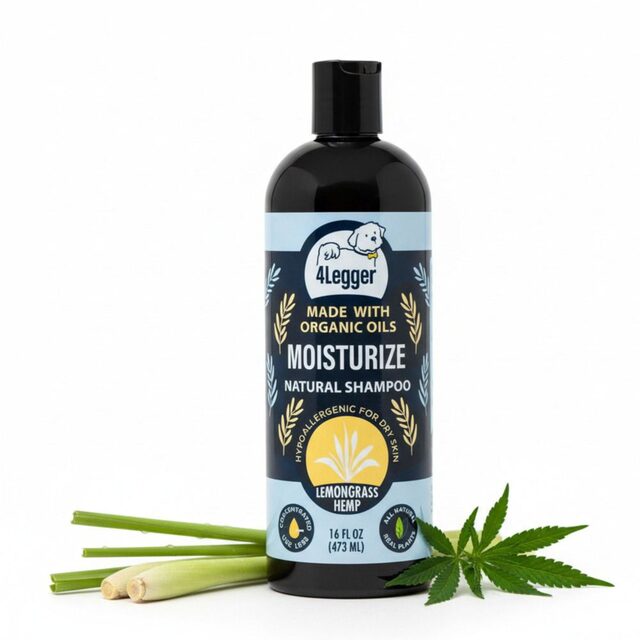
4-Legger USDA Certified Organic Dog Shampoo (16 oz)
USDA certified organic — the same agricultural standard applied to food. Ingredients: certified organic aloe vera, coconut-derived soap, lemongrass essential oil. No SLS, no parabens, no synthetic fragrance. Lathers with a small volume. Works for dogs and cats. The gold standard of the category.
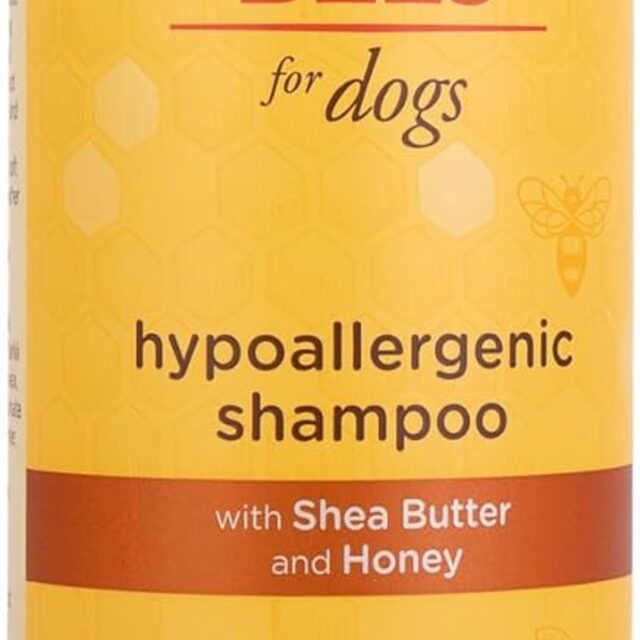
Burt's Bees for Pets Hypoallergenic Dog Shampoo (16 oz)
Sulfate-free, no synthetic fragrance, no parabens, no phthalates. Water, aloe vera, and skin conditioning agents. The hypoallergenic formula is the safest option for dogs with skin sensitivities or seasonal allergies. At $10, the most accessible entry point in the natural shampoo category.
Frequently Asked Questions
Is organic dog shampoo better for sensitive skin?
Organic certification addresses ingredients and production standards, not whether an individual dog will tolerate a shampoo. A fragrance-free dog formula may be a useful starting point; recurring irritation needs veterinary advice.
Can I use dog shampoo on my cat?
Use a product whose current label specifically permits cats. Do not assume a dog shampoo becomes suitable for cats merely because it is unscented or organic.
How often should I bathe my dog?
Bathing needs depend on coat, activity and skin health. Bathe when needed for dirt or odor, and follow a veterinarian's schedule for medicated products. There is no single interval for every dog.