Sustainable Workwear: Build an Office Wardrobe You Will Use
Plan work clothes around your dress code, fit and laundry routine. Compare secondhand tailoring, washable separates and care costs before buying.
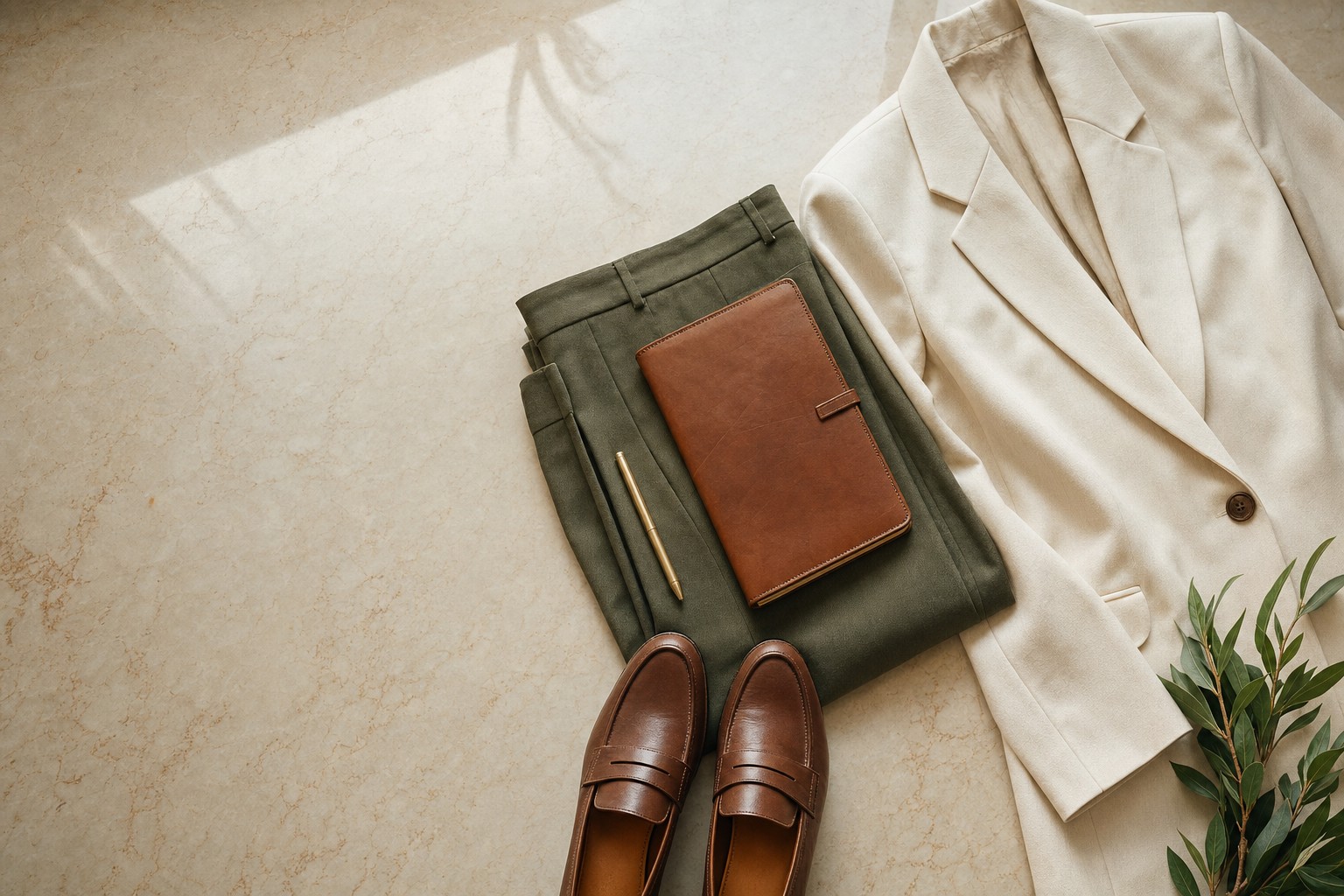
Featured Options Compared in This Guide
Full specs & notes ↓Build sustainable workwear around your actual dress code, seated comfort and laundry routine—not a list of brands. Start with clothes you own, consider repairs, and buy only for a specific gap. The EPA recommends buying only what you need, repairing worn clothing and choosing used items where possible to reduce waste. Source: EPA
This guide covers office clothing, not protective workwear. Where workplace hazards require protective clothing or equipment, follow your employer’s requirements. OSHA’s general PPE standard requires appropriate protection for workplace hazards; an environmental marketing claim is not a substitute. Source: OSHA
Translate the dress code into garments
Ask for the written policy or clear examples from your employer before shopping. The University of Toledo’s career guidance distinguishes business attire from business casual and emphasizes that professional dress depends on the employment setting. The outfits below are planning examples, not universal rules. Source: University of Toledo
| Workplace expectation | Practical starting outfit | Buying priority |
|---|---|---|
| Casual office | Trousers or explicitly permitted denim, a suitable top and approved shoes | Fit, condition and combinations using clothes you own |
| Business casual | Trousers, skirt or structured dress; shirt or knit top; optional jacket | Seated comfort, coverage and a layer if needed |
| Formal business | Matching suit or another formal outfit explicitly accepted by the employer | Required formality and the fit of the complete outfit |
Separate everyday requirements from occasional ones. If only certain meetings call for a suit, identify that outfit separately rather than replacing all your everyday clothes. Don’t assume sneakers or an unstructured jacket are acceptable because a retailer describes them as office-ready.
Write each gap as a shopping brief: “dark trousers that are comfortable at a desk, can be washed at home and work with my existing office shoes.” That gives you a concrete reason to accept or reject a purchase.
Check fit in workday positions
The University of Toledo recommends clothing that is comfortable while standing, walking and sitting. Use that as the basis for a fitting-room check—not just a standing mirror view. Source: University of Toledo
- Jacket: Fasten it as you would at work, sit down and reach toward an imaginary keyboard. Note pulling or restricted movement.
- Trousers or skirt: Sit to assess waist pressure, room through the hips and thighs, and coverage.
- Shirt: Check for gaping, pulling and whether it stays positioned as you move.
- Complete outfit: Try it with the shoes and layers you intend to wear, including the trouser hem position.
For secondhand pieces, inspect the collar, shoulders, lining, elbows, seat, fasteners and hems. If a garment needs changes, ask a tailor what is feasible, what it will cost and when it can be ready. Don’t buy on the assumption that any fit problem can be altered away. For online purchases, obtain measurements and photos of the actual item, and establish return eligibility before committing.
Choose how to fill the gap
Repair, secondhand shopping and buying a missing new item solve different wardrobe problems. EPA supports repair and reuse, but that does not establish an environmental ranking for every individual garment. Source: EPA
| Route | Consider it when | What to settle before spending |
|---|---|---|
| Repair or alter something you own | The garment meets your dress code but has a specific condition or fit problem | Tailor’s assessment, total quote and completion date |
| Buy a secondhand suit | You need a complete formal outfit | Fit and condition of both pieces, care instructions and any alteration costs; buy the pair together if an exact match is required |
| Buy secondhand separates | You need one item to combine with existing clothes | Actual measurements, condition, care information and returns—not just the tagged size |
| Buy a new washable separate | Home washing is a firm requirement and a suitable used option is not available | Instructions for both washing and drying, workday fit and compatibility with existing outfits |
An inexpensive suit that needs changes and professional cleaning belongs in a different budget comparison from ready-to-wear trousers you can launder at home. Compare the whole commitment, not just the purchase price. Neither “secondhand” nor “washable” makes a garment useful if it fails the dress code or fit check.
Make washable a practical requirement
For office clothing, care instructions matter at the garment level. The FTC says instructions must account for the complete item, including components such as attached linings and trim. Don’t infer a blazer’s care method from its outer fabric, or assume matching trousers and a jacket have identical instructions. Source: FTC
Before buying, translate the instructions into your routine:
- Machine washing: Can you use the specified settings and follow any separate-washing instructions?
- Drying: Does the garment require a drying method you have space and time for? Machine-washable does not necessarily mean tumble-dryable.
- Professional cleaning: Can you accommodate the cost and turnaround before the next day you need the outfit?
A label may provide only one cleaning method even when more than one is suitable. That means a “dryclean” instruction alone does not establish whether home washing is appropriate; “dryclean only” specifically warns against washing. The FTC also cautions that using an unlisted cleaning method can be risky. Don’t improvise a wash or heat treatment merely because it works on another garment. Source: FTC
Plan the rotation and its cost together
For someone attending an office three days a week, a trial rotation might be two suitable bottoms, three tops and one layer, drawn from existing clothes where possible. This is a planning example, not a prescribed capsule size or a recommendation about how often to wash clothing.
Map outfits onto actual workdays and cleaning days. If an item won’t be ready in time, first see whether another outfit you own can cover the gap. Keep an appropriate option available for a meeting or laundry delay rather than making every workday depend on one garment.
For a chosen planning period, estimate:
Cost per wear = purchase, alteration, shipping and expected cleaning costs ÷ expected wears.
Run the estimate for your normal office schedule and again for fewer office days. Use your own quotes and likely wear frequency; the result is a budgeting tool, not an environmental score. For planning beyond work, see the capsule wardrobe guide.
Don’t assume every resale service will accept workwear
ThredUp’s Clean Out service handles inspection, photography, pricing and listings for eligible women’s and children’s items. Its stated exclusions include men’s clothing, work uniforms, and tailored or altered items. Acceptance and a sale are not guaranteed, so don’t count an anticipated payout toward your next purchase. Source: ThredUp Clean Out
If you have had a work garment altered, ask any prospective resale service about eligibility before sending it. For a local consignment shop, establish acceptance terms first. Donation is another option for usable clothing, subject to the recipient’s needs; EPA recommends considering donation for items in working condition that you no longer use. Source: EPA
See the ThredUp guide for more on that service. The immediate wardrobe decision remains simpler: keep what works, get a quote for what might work, and buy only the missing office outfit or component.
Sources
Products Compared in This Guide
Eileen Fisher Organic Cotton Blazer
The definitive sustainable investment blazer. GOTS-certified organic cotton, clean construction, and an Eileen Fisher silhouette designed to work across seasons and trend cycles. The RENEW take-back program means you can return it when you're done with it. It'll outlast your job.
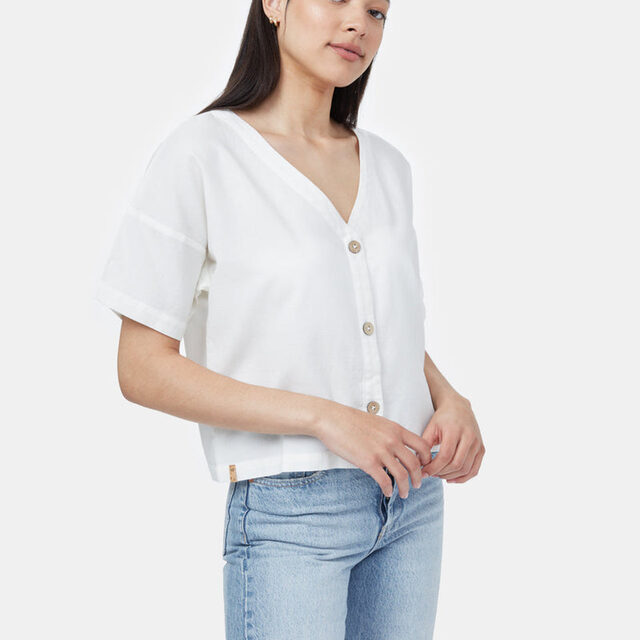
Tentree Organic Cotton Poplin Button-Front Shirt
Organic cotton poplin in a clean button-front cut that reads office-appropriate in creative and business-casual workplaces. Tentree's sizing is generous — size down. Plants 10 trees per purchase.
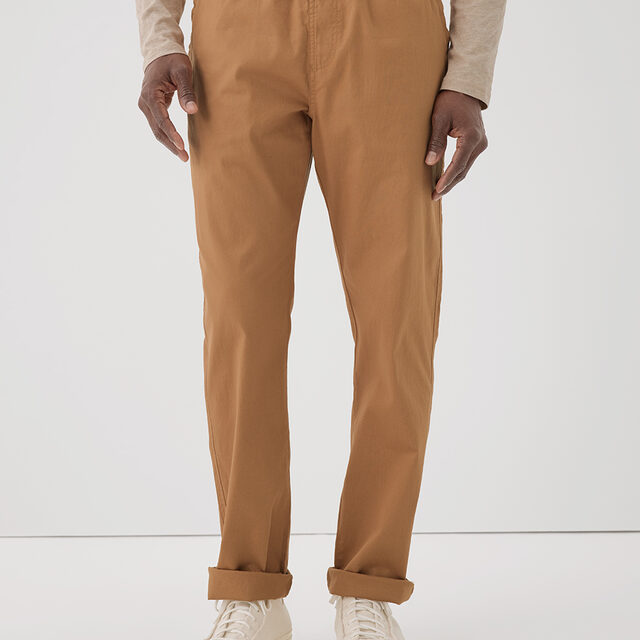
Pact Organic Cotton Chinos
GOTS-certified organic cotton chinos at a price that beats most conventional alternatives. Clean flat-front cut, available in navy, olive, and khaki. For casual-office environments, these work perfectly.
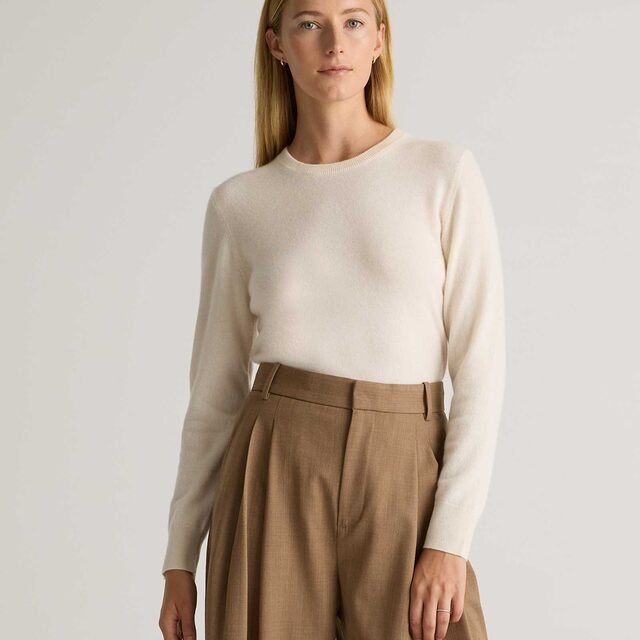
Quince 100% Mongolian Cashmere Crewneck
Quince's business model cuts out the markup: factory-direct cashmere at a fraction of J.Crew or Club Monaco pricing. The quality is genuinely comparable to $200+ cashmere sweaters. Not GOTS-certified, but the price point makes quality sustainable knitwear accessible.