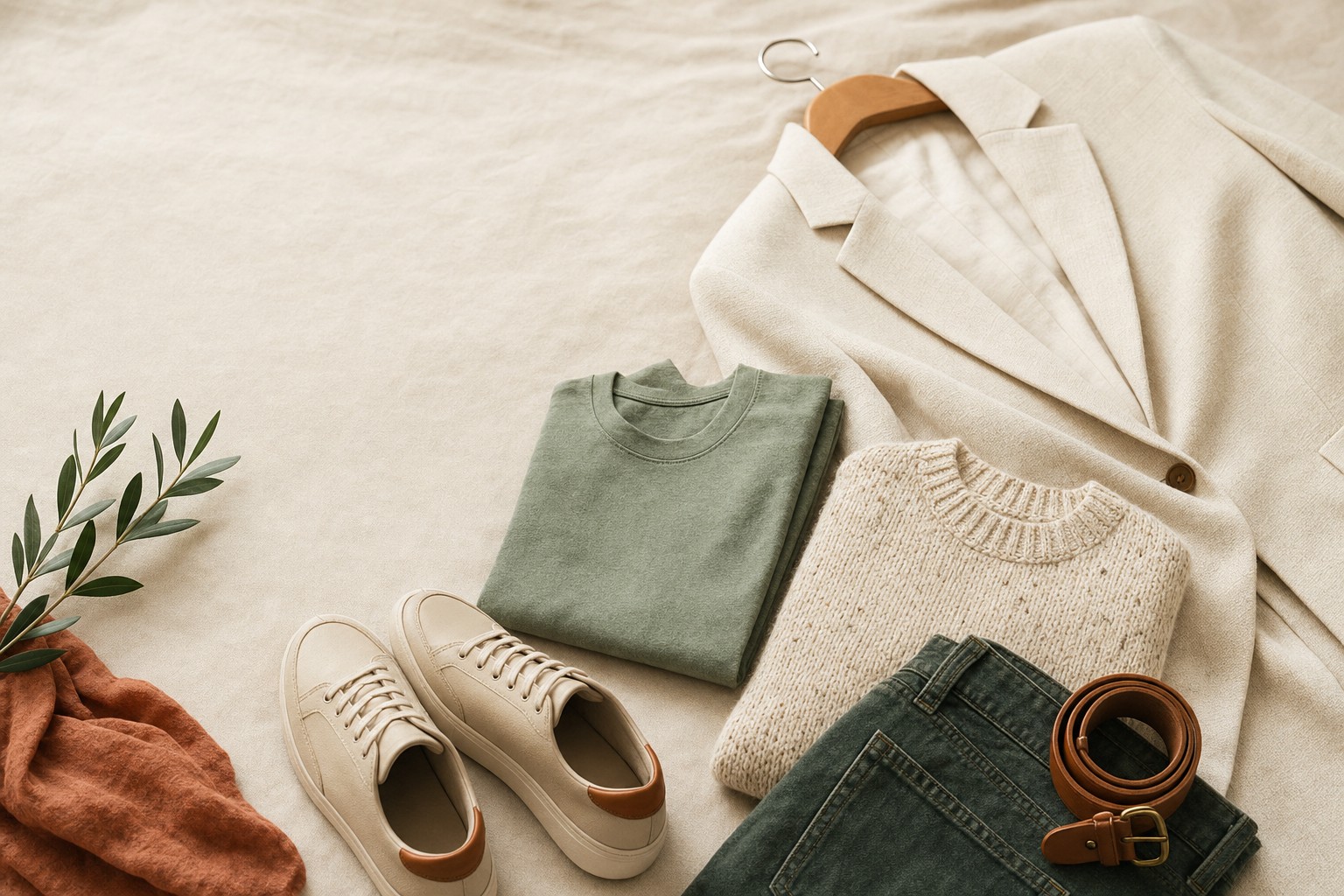
Featured Options Compared in This Guide
Full specs & notes ↓Start with clothes you can use, not a wardrobe you feel obliged to replace. Repair, secondhand shopping and carefully chosen new clothing are different tools for meeting a need. The EPA recommends buying only what you need, choosing used items when possible and considering repairs for worn clothing to help prevent waste.
Keep your questions separate: Does the garment fit its purpose? What does its material claim establish? What information covers working conditions? Can you realistically use its repair service? One appealing answer should not stand in for all the others.
Decide what the next purchase must solve
Write down the occasion, fit and care requirements. “Washable trousers for three office days a week” gives you a decision rule. “A more sustainable wardrobe” does not tell you whether a particular pair belongs in it.
Choose a route based on the actual gap:
- You like the garment, but something is broken: ask a repairer about the specific button, seam, zip or damaged area. Compare the quote and completion date with your budget and deadline.
- You own something close to the right fit: get an alteration assessment before buying a replacement—or before buying another poorly fitting item with plans to alter it.
- You need another everyday piece: search secondhand using the measurements and features you already know work for you.
- Secondhand options do not meet the requirement: compare new garments against the same fit, care and budget criteria rather than relaxing them for an environmental slogan.
Keep useful seasonal, formal and specialist clothing even if you do not wear it weekly. A capsule wardrobe can help you plan combinations; it need not become a rule for discarding occasional-use pieces.
Match the certification to the question
A certification is useful when its scope matches what you want to know. Organic content, substance testing and recycled-content traceability are not interchangeable.
| Standard | What it addresses | How to use it when comparing clothing |
|---|---|---|
| GOTS | Certified organic fibers, processing requirements, environmental criteria and human-rights requirements | Check the product’s label grade and certification scope, not just a brand’s general reference to organic cotton. |
| OEKO-TEX STANDARD 100 | Textile testing against harmful-substance requirements, with requirements varying by intended use and skin contact | Use it for substance-testing information, not as evidence of organic farming or worker pay. |
| Recycled Claim Standard — RCS | Recycled-material verification and chain of custody | Look for the recycled percentage and the product or component covered. |
| Global Recycled Standard — GRS | Recycled-material verification and chain of custody, plus social, environmental and chemical-processing requirements | Distinguish it from a recycled-content-only claim; do not interpret it as a promise that the garment can be recycled locally. |
GOTS defines two label grades: “organic” requires at least 95% certified organic fibers, while “made with organic materials” requires at least 70%. Neither grade should be read as a claim about every garment a brand sells.
For STANDARD 100, use the certificate number or label QR code through the validity-check route described on the OEKO-TEX page. Check what the certificate identifies: a claim about a fabric input is not automatically a claim about every finished item made by the seller.
Textile Exchange specifies at least 50% recycled content for consumer-facing GRS labeling. That threshold does not mean a labeled garment is entirely recycled. Ask for the actual percentage rather than treating the logo as a complete composition statement.
Compare material claims, not imagined performance
Separate three things in your shopping notes: the fiber composition, any sourcing or processing claim, and your own assessment of the garment’s fit and feel. A material name alone should not decide whether you like the cut, texture or appearance.
Two common naming problems deserve particular attention:
TENCEL is a brand, not one fiber type. Lenzing lists lyocell, modal and lyocell filament under the TENCEL brand. If a listing says only TENCEL, ask which fiber it contains and in what proportion. Lenzing also describes different production routes: its lyocell uses direct dissolution of cellulose, while viscose involves a chemical reaction before dissolution, and modal follows a related process with modifications. Those distinctions matter when interpreting a production claim; they do not by themselves tell you how a finished garment will fit or perform. Source: Lenzing technologies.
Bamboo can describe the starting plant rather than the finished fiber. The FTC explains that soft bamboo-derived fabrics are likely to be rayon or viscose. It also says evidence does not support assuming that processed bamboo rayon retains the plant’s natural antibacterial properties. Ask for the actual fiber identity and support for any antibacterial claim.
For a recycled-content listing, record the percentage and whether it describes the whole garment or a named component. For an organic claim, record the certification and grade. Compare those answers separately from style preferences rather than turning them into a universal material ranking. For related reading, see the sustainable fabric guide.
Evaluate working conditions separately
Look for information about the production stages you care about: raw-material production, fabric processing and garment manufacturing. Ask which facilities or suppliers are covered, when the information was published and what independent assessment is described.
GOTS includes requirements concerning working conditions, child and forced labor, discrimination, working time and remuneration, supported by independent certification and on-site audits. GRS also includes processing-related social requirements, unlike the recycled-content focus of RCS. Source: Textile Exchange.
When reading a brand’s labor page, distinguish a statement of expectations from information about compliance. Look for reported problems and responses as well as policies. Do not use a high or low retail price as a substitute for this information, or assume a fabric-testing label answers a wage question.
Make secondhand shopping a fit-and-condition comparison
Measure a garment that works for you and use it as a reference. For trousers, request waist, rise and inseam measurements. For a jacket, compare shoulders and sleeves and ask for a clear view of the lining. For shoes, inspect photographs of soles, heels and fastenings. These are purchase checks, not guarantees of remaining life.
Before ordering, resolve the details that could change your decision:
- Are stains, repairs, missing parts or alterations shown clearly?
- Are the measurements taken in a way you can compare with your reference garment?
- Can you return the item for fit, and what would that cost?
- What is the total cost after delivery and any planned alteration?
Compare that total with a suitable alternative, not just an advertised discount from an original retail price. If returns are unavailable and important measurements are missing, consider waiting for a clearer listing.
For platform-specific reading, see the ThredUp shopping guide. Whatever the platform, set a budget around the clothing gap rather than adding pieces simply because they appear inexpensive.
A repair service is valuable only if you can access it
Nudie Jeans provides a concrete example of why the practical conditions matter. Its repair FAQ describes:
- Free repairs for Nudie Jeans only, through its Repair Shops and Repair Partners, regardless of when or where the jeans were bought.
- Repeat repairs as needed.
- Freshly washed jeans as a condition of acceptance.
- Walk-in service, accepting one pair at a time.
- No send-in repair option.
- Repair turnaround that depends on the individual shop’s workload; contact the location for an estimate.
If you already own eligible jeans and can reach a participating location, those details help you plan a visit. If you cannot get there, ask a local repairer for a quote rather than assigning value to a free service you cannot use.
Apply the same comparison to any repair offer: eligible items, access route, preparation requirements, cost and expected timing. A repair promise should not override poor fit or an impractical journey.
Check everyday usefulness before committing
During a permitted try-on, wear the shoes and layers you would use with the garment. Sit, reach and walk. Check pocket placement, fasteners, coverage and whether you still like the fit when seated.
For activewear, assess the fit and coverage you need rather than treating a fiber claim as proof of support or opacity. See the Girlfriend Collective activewear guide for brand-focused reading.
For work clothing, compare the care instructions with your actual schedule. If a piece requires a cleaning routine you will not maintain, choose another option before purchase. The sustainable workwear guide offers related wardrobe-planning guidance.
Plan care and the next use
Use the garment’s own care instructions. If they are missing or unclear, ask the maker or a professional cleaner before choosing a cleaning method. For repairs, describe the fault and ask what work is proposed, how it will look and what it will cost.
When wearable clothing no longer meets your needs, offer it to someone who wants it, sell it or donate through a program that accepts it. The EPA identifies used purchasing and donation of suitable items as waste-reduction options.
For an item you cannot reuse or repair, ask your local recycling program whether it accepts clothing and where it should go. Do not treat a fiber name or recycled-content claim as permission to put a garment in household recycling. EPA guidance emphasizes checking local acceptance.
The next step is small: identify one recurring clothing problem, decide whether repair or secondhand can solve it, and compare new purchases only against the need that remains.
Sources
Products Compared in This Guide
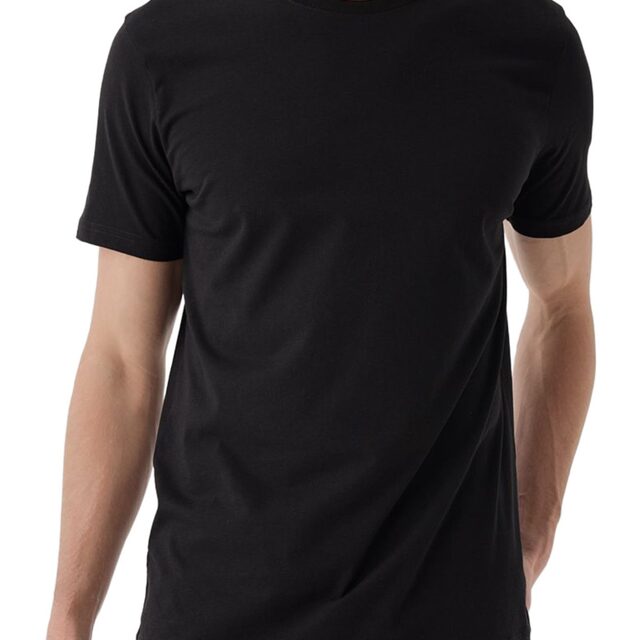
Pact Organic Cotton Essential Crew Tee (3-Pack)
GOTS-certified organic cotton, Fair Trade sewn, and cut in a true-to-size silhouette that holds shape after 50+ washes. The go-to basics answer for anyone building a sustainable wardrobe.
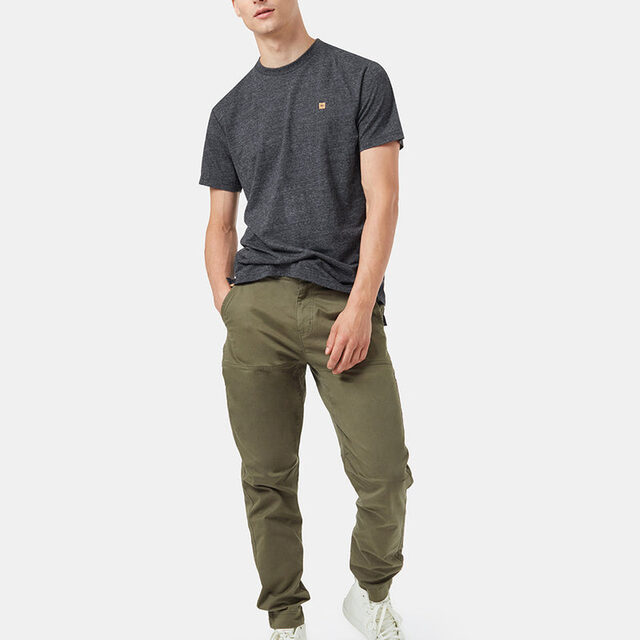
Tentree Hemp Weekday Crew Tee
Hemp-cotton blend that gets softer with every wash. Tentree plants 10 trees per purchase. One of the few tees that works equally as a base layer and a standalone shirt.
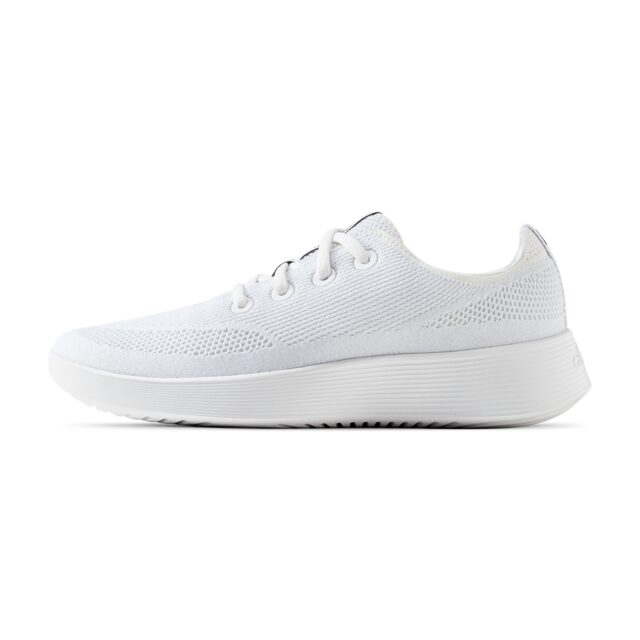
Allbirds Tree Runner Go Shoes
Eucalyptus fiber upper, sugarcane-based SweetFoam sole, carbon footprint labeled on the shoe. Genuinely comfortable out of the box — no break-in period. The Tree Runner remains the benchmark for sustainable everyday sneakers.
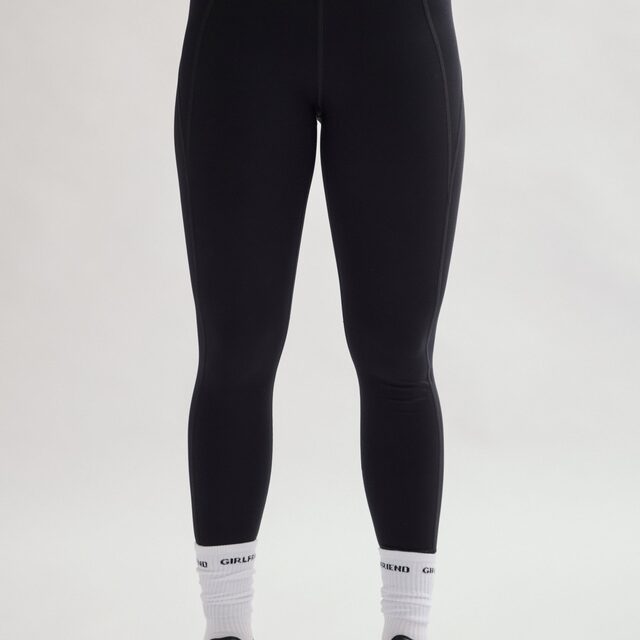
Girlfriend Collective Compressive High-Rise Legging
Made from 25 recycled plastic bottles. Four-way stretch, squat-proof, stays up through a full workout. The colorblock options photograph beautifully and hold color through 100+ wash cycles.