How to Build a Sustainable Capsule Wardrobe from What You Own
Create a useful capsule wardrobe with a wear audit, laundry-based planning and a small gap list. Keep useful clothes and avoid a replacement shopping spree.
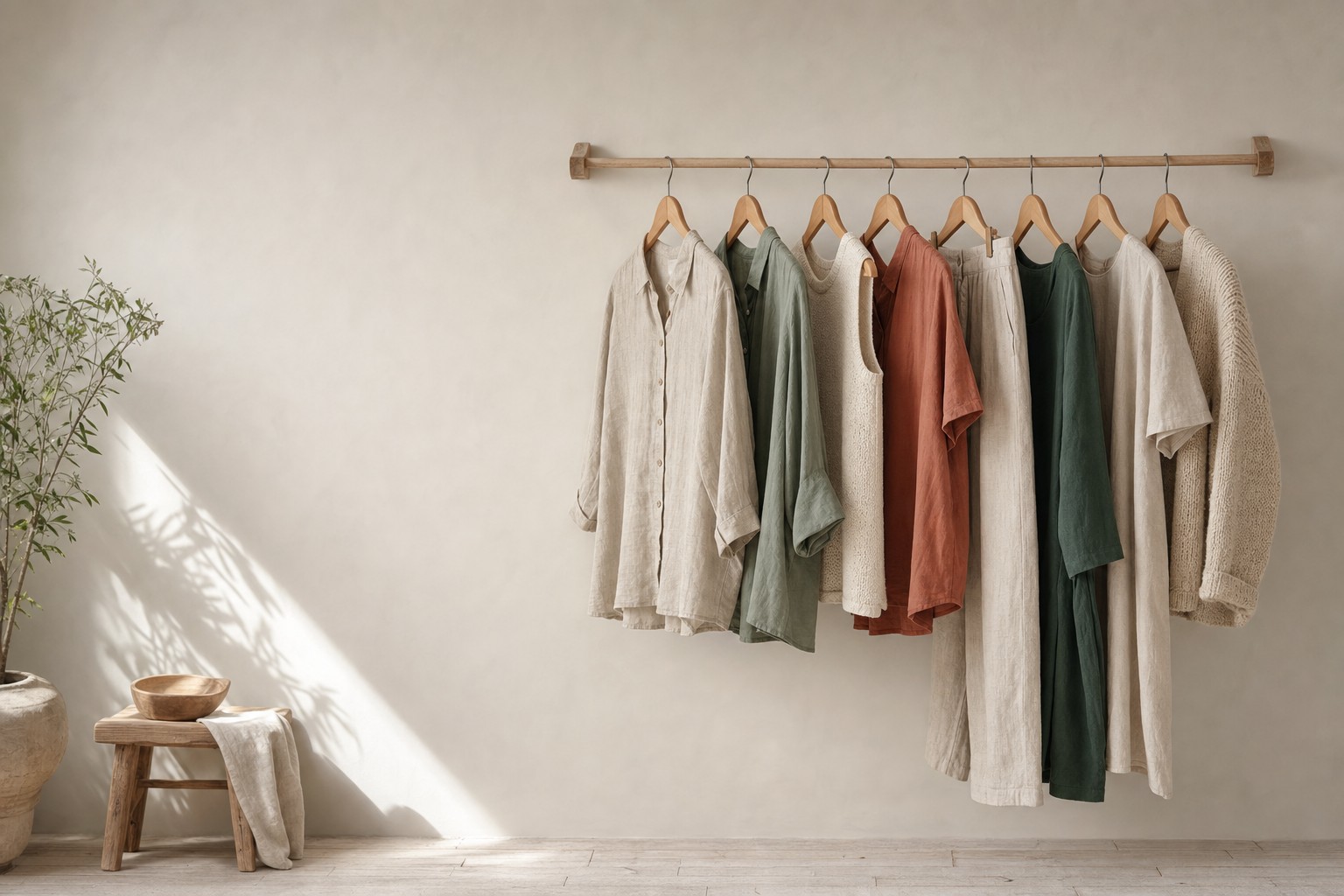
Featured Options Compared in This Guide
Full specs & notes ↓Build a capsule wardrobe by finding the clothes you already use, arranging them into repeatable outfits and filling only the gaps that remain. You do not need a particular item count, matching new basics or an all-neutral palette.
A smaller wardrobe is not automatically a more sustainable one. Rather than replacing useful clothes with a coordinated collection, aim to keep what works and avoid unnecessary purchases. That approach follows the EPA’s waste-prevention guidance: buy only what you need, reuse items and consider repairing worn clothing before discarding it.
Start with a wear log, not a purge
For a typical fortnight, note each outfit you wear and anything that stops you wearing a wanted piece. Keep it simple: “navy trousers, striped shirt, cardigan; shoes rubbed” is enough.
At the end, sort what you own into four useful groups:
- Ready to wear: fits, feels comfortable and meets a real need.
- Needs a fix: missing button, loose hem or a fit adjustment worth pricing.
- Needed occasionally: seasonal outerwear, formal clothing, protective clothing or other specialist pieces.
- Undecided: clothing you don’t currently use but aren’t ready to rehome.
Keep occasional necessities. A winter coat should not fail an audit conducted in warm weather, and a formal outfit doesn’t need weekly use to deserve a place. Box undecided pieces temporarily if space permits; try a smaller visible selection before making irreversible decisions.
Build outfits around the week you actually have
List your settings: office days, home days, exercise, evenings out and local weather. Then assemble complete outfits from the ready-to-wear group, including shoes and outer layers.
A hypothetical hybrid worker’s trial rotation might look like this:
| Need | Existing pieces to try first | Question before adding anything |
|---|---|---|
| Three office days | Two trousers, three tops, one cardigan or jacket | Are enough tops ready between laundry days? |
| Home and errands | Two casual bottoms and the comfortable tops already used | Is there a genuine shortage, or do these pieces cover the week? |
| Exercise | Current activity-appropriate kit | Is anything worn out or unavailable when needed? |
| Rain and cold | Existing weather protection | Would a fastener repair make the current garment usable again? |
This is an example, not a recommended total. Plan around the interval between having clothes ready to wear—not just between starting wash loads. Include drying time and access to shared laundry facilities.
If the rotation runs short, distinguish a clothing gap from a scheduling problem. Another office top may be useful if washing sooner is impractical; it may be unnecessary if a suitable top is simply waiting for a minor repair. Don’t force a tiny item count at the expense of a workable laundry routine.
Make the colors work without buying a new palette
Choose a few frequently worn bottoms and combine each with your existing tops. Photograph combinations you like. Notice which colors and shapes already recur.
An all-neutral palette is optional. A patterned dress or bright shirt can be a reliable capsule piece if you wear it often. Aim for enough complete outfits, rather than requiring every garment to match every other garment.
For each prospective purchase, name the outfits it would complete or improve. A specialist item, such as a winter coat, can justify itself by doing one important job. Do not reject useful pieces because they fail an arbitrary matching rule.
Turn repeated problems into a gap list
A gap should describe function, fit and care. For example:
One washable, opaque office top with sleeves that fit comfortably under the navy jacket.
That brief gives you something concrete to compare:
- Repair or alter an existing piece when you already like it and can identify the problem. Ask what the work would cost before deciding.
- Look secondhand when you can find the required fit and condition. Check measurements against a garment that fits, and inspect the areas that matter for your use, such as cuffs, closures and hems.
- Buy new if the need remains unresolved. Compare the garment with the same functional brief rather than adding several loosely related basics.
The EPA recommends buying used when possible as part of reducing waste. That does not mean accepting an unsuitable fit just because an item is secondhand.
For material choices, see the fabric guide. For office-specific planning, use the workwear guide.
If useful, give optional purchases a review date and revisit the gap list then. A waiting period is an optional planning tool, not a rule that should leave you without suitable work clothes or weather protection.
Compare repair costs and likely use
Cost per wear can help compare spending, but it is not an environmental rating:
Cost per wear = purchase cost plus alterations and repairs, divided by wears.
Keep recorded wears separate from hoped-for future use. Include cleaning costs when care requirements would materially change the comparison. A garment that looks economical only under an ambitious wear estimate deserves another look.
For a piece you already own, ask a more immediate question: Is the cost of making it usable worthwhile compared with the replacement you would otherwise need? A past purchase price does not have to determine whether a repair is worth doing now.
Patagonia’s repair page offers DIY guides for Patagonia gear and a service route through mail-in or store drop-off; its technicians can attempt repairs. For clothing from other brands, consider a suitable sewing guide or ask a local repairer for an assessment. Compare the proposed fix with the garment’s fit, remaining usefulness and role in your rotation.
Let unwanted clothing leave through a suitable route
Offer wearable pieces to someone who wants them, sell them, or ask a local organization what it accepts before donating. Prepare donations according to the receiving program’s instructions.
Brand take-back is a specific option, not a general-purpose textile bin. As of September 5, 2026, Eileen Fisher Renew’s return page said it accepted Eileen Fisher clothing regardless of condition at its US stores. It also said mail-in returns were paused during a facility relocation. Check the current instructions before making a trip or sending clothing.
For other destinations, ask whether the receiving organization accepts the particular items you have. The EPA advises checking what local recycling programs collect; its guidance does not establish a recycling route for every garment.
Keeping a usable item as a spare is also reasonable. There is no need to force “one in, one out” when both pieces serve a purpose.
Review the system when your life changes
At a season change, new job or change in body size, reassess what fits and works. Mend, adjust or add capacity where needed. Judge the capsule by whether it covers your activities, weather and laundry schedule—not whether the closet reaches a fixed number.
Sources
- EPA: What You Can Do About Climate Change — Waste — waste prevention, repair, buying used and local recycling guidance.
- Patagonia Worn Wear: Repairs — DIY guides and repair-service routes for Patagonia gear.
- Eileen Fisher Renew: Item Conditions — own-brand acceptance and return instructions, including the mail-in pause shown on September 5, 2026.
Products Compared in This Guide
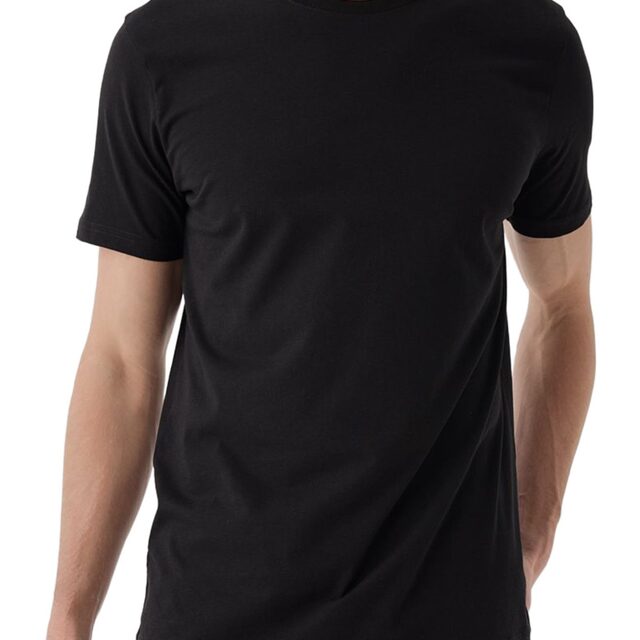
Pact Organic Cotton Essential Crew Tee (3-Pack)
The core basics entry for a sustainable capsule. Three GOTS-certified organic tees in neutral colors anchor the top portion of any capsule wardrobe. True-to-size, holds shape through 60+ washes.
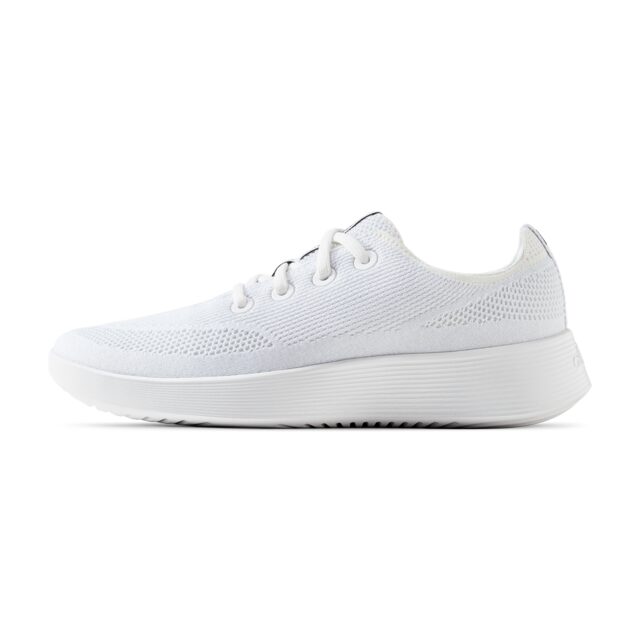
Allbirds Tree Runner Go (Versatile Everyday Sneaker)
A single versatile shoe that handles 80% of the occasions a capsule wardrobe encounters. Desk, grocery store, casual dinner, light outdoor activity — the Tree Runner covers all of it.

ThredUp (Secondhand Capsule Pieces)
The most efficient way to build a sustainable capsule on a budget. Filter by brand + size + condition 'Like New' to find premium pieces at 60-80% off retail. Set saved searches and check weekly.
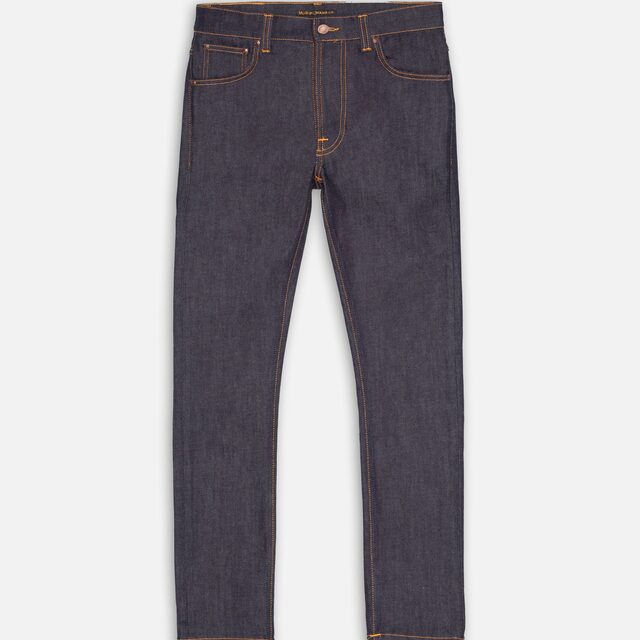
Nudie Jeans Lean Dean
The one pair of jeans in a capsule wardrobe should be this: 100% organic cotton, free lifetime repairs, and a timeless slim-straight cut. Buy once, repair as needed, wear indefinitely.