Recycled Fashion Accessories: Bags, Clips, Belts and Jewelry
Compare recycled-material bags, hair clips, belts and jewelry by everyday fit, material disclosures, repair options and disposal routes.
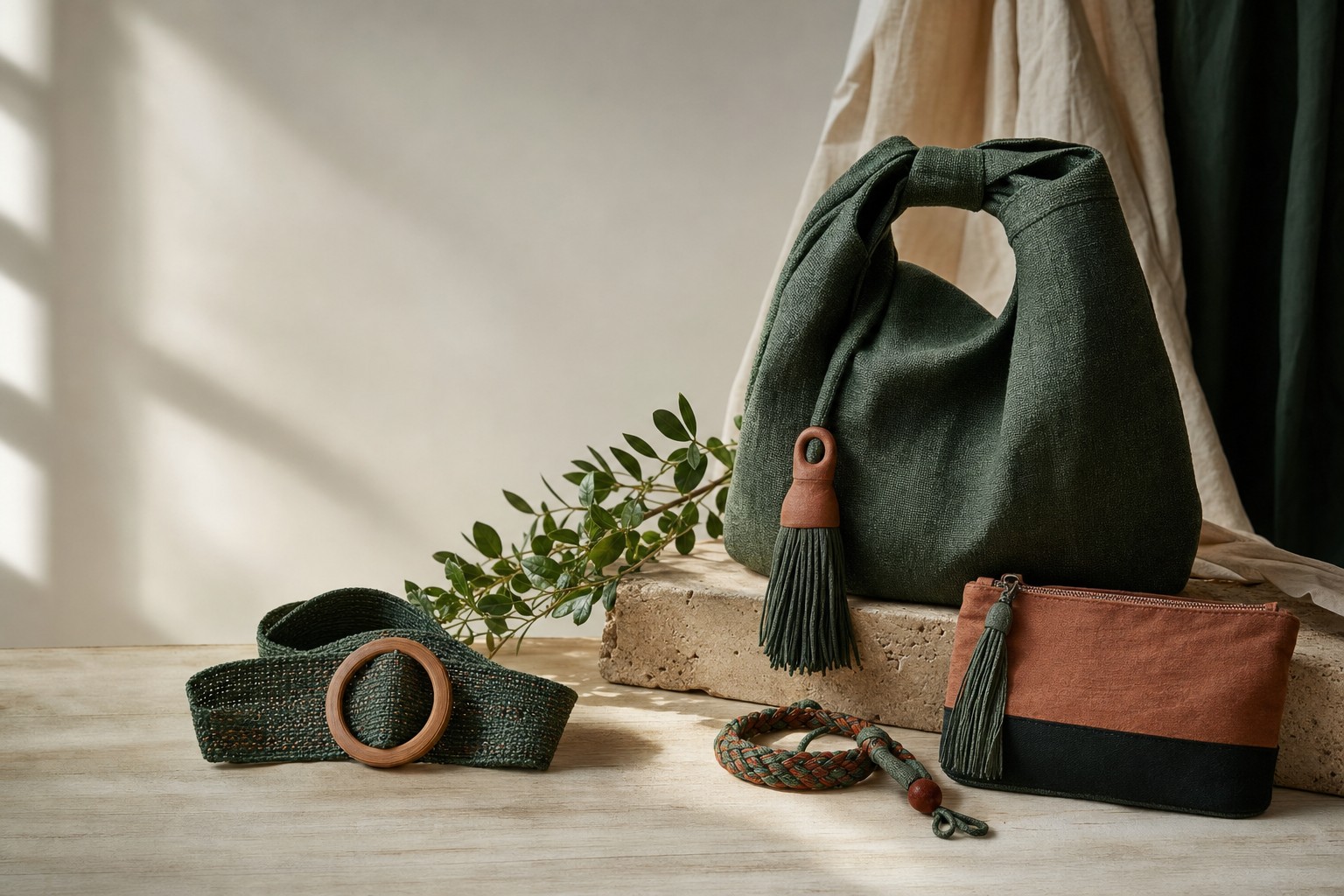
Featured Options Compared in This Guide
Full specs & notes ↓Choose an accessory that solves a real carrying, fit or fastening problem, then compare its recycled-material claim. A high recycled percentage cannot make an undersized bag useful or make a hair clip suit your hairstyle.
If your current accessory still works, keep using it rather than replacing it solely for a recycled-content claim. EPA places waste prevention and reuse ahead of recycling in its guidance on reducing waste. Source: EPA
Bags: compact carry or room for the whole day?
Start with everything you routinely carry. A phone, keys and cards make a different shopping brief from those essentials plus sunglasses, lunch and a water bottle. Choose a compact format only if the complete load fits and the closure works normally; otherwise, compare a larger bag rather than planning around a second bag every day.
Capacity alone does not settle fit. Compare the dimensions of your largest rigid item with the usable compartment and its opening. A bottle fitting inside does not answer whether you can still reach your phone without unpacking. If possible, try the bag with your normal load and check:
- Whether the closure opens far enough to load and retrieve your belongings.
- Whether pockets separate the things you need quickly.
- Whether the strap adjusts comfortably over the clothes you usually wear.
- Whether you can reach the fastenings in your intended carrying position.
Once two bags meet those needs, compare their material disclosures on the same basis. A recycled-shell percentage and a whole-bag percentage describe different things. Record shell, lining, straps and hardware separately when the seller provides that detail; do not extend a fabric claim to every component. The FTC says claims for items made partly from recycled material should identify that partial content. Source: FTC Green Guides summary
Hair clips: compare the opening and your intended hairstyle
For a clip, start with the amount of hair you want to gather—not a size name such as jumbo. Compare a full updo with a half-up style using the section you actually intend to hold. Neither an external width nor a recycled-plastic claim establishes holding performance.
Alongside the listed width, look for the jaw opening and tooth arrangement. Where try-on is permitted, check whether you can open the clip comfortably, position it without forcing it and wear your chosen style without unwanted slipping or pulling. For an online purchase, read the return conditions before assuming a tried-on hair accessory can go back.
Treat the plastic body and any spring or hinge as separate material questions. A disclosure about recycled plastic in the body does not establish the composition of the entire clip, and an unspecified recycled-content claim is not a basis for calling it entirely recycled. This follows the FTC’s distinction between partial and whole-product recycled-content claims. Source: FTC Green Guides summary
Before choosing between otherwise suitable clips, inspect the teeth and hinge and consider where you will store the accessory. Pass on a clip with damaged teeth or a fastening that does not operate properly, regardless of its material story.
Belts: fastening and construction matter separately
Try a belt with the trousers or dress you intend to wear. Check the usable adjustment range, whether the strap fits through the loops and what happens to the loose end. Do not rely solely on the belt’s total length.
Then examine how the buckle attaches. If repairability matters to you, ask whether the buckle can be removed and whether a replacement is available. Do not assume that a visible screw, rivet or stitched attachment guarantees a repair service.
For leather-like belts, distinguish the surface, backing and underlying construction. The FTC’s leather guides distinguish bonded, shredded and reconstituted materials from whole hide. For leather-like materials sold using those terms, the guides call for disclosure of the leather-fiber and non-leather percentages. Those construction details are separate from evidence of recycled content. Source: 16 CFR Part 24, §24.2
A useful comparison therefore asks two different questions: What is the strap made from, and what portion of the specified material is recycled? One answer does not supply the other.
Jewelry: purity is not recycled origin
A metal purity mark tells you about composition, not whether the metal came from recovered material. For example, the FTC explains that sterling silver contains 92.5% silver and may carry a 925 mark. Gold karat marks likewise describe the proportion of gold. Request a separate recycled-content disclosure rather than treating those marks as recycled-origin evidence. Sources: FTC jewelry guide and FTC Green Guides summary
Compare plating as well as the underlying metal. The FTC notes that gold plating eventually wears away, with wear depending on use and plating thickness. If retaining a particular finish matters, ask about replating services and costs before purchase rather than assuming they are available. Source: FTC jewelry guide
For everyday wear, try the clasp yourself and check the length or ring fit. Ask whether the specific piece can be repaired or resized. If you need to avoid a particular metal, request alloy and plating details; a recycled-content claim does not answer that question.
What RCS and GRS add to a material claim
Textile Exchange’s Recycled Claim Standard and Global Recycled Standard address third-party verification of recycled materials and their path through the supply chain. GRS adds processing-related social, environmental and chemical requirements. Its consumer-facing labeling has a minimum recycled-content threshold of 50%, alongside the other applicable requirements—not a promise that an accessory is entirely recycled. Source: Textile Exchange
Use certification information for the material claim it supports, not as a substitute for the fit and construction checks above. The FTC also cautions that environmental seals should make their basis clear and that broad environmental-benefit claims require support. An unexplained green emblem is not enough to establish what an accessory contains or its overall environmental advantage. Source: FTC Green Guides summary
Repair and disposal: ask about the actual accessory
For a broken zip, loose buckle or failed clasp, request an assessment for that item before buying a replacement. Ask what can be repaired, what parts would be used and what the work would cost. Follow the accessory’s own care instructions rather than borrowing cleaning advice from a similar-looking item.
Recycled content concerns material inputs; recycling acceptance concerns what a collection program can handle. EPA says textiles generally do not belong in curbside recycling and that a plastic resin code does not guarantee local recyclability. For a bag, belt or clip, ask your local provider or a specialist collection program whether it accepts that item in its current condition. Do not place it in recycling merely because it contains recycled material. Source: EPA
For more on textile components, see the recycled fabric guide.
Sources
- Federal Trade Commission: Environmental Claims—Summary of the Green Guides
- Textile Exchange: Recycled Claim Standard and Global Recycled Standard
- eCFR: 16 CFR Part 24—Guides for Select Leather and Imitation Leather Products
- Federal Trade Commission: Buying Platinum, Gold, and Silver Jewelry
- U.S. Environmental Protection Agency: Frequent Questions on Recycling
Products Compared in This Guide
Recycled Fashion Accessories — Top-Spec Options
Compare current model specifications, material disclosures, and third-party certifications for recycled fashion accessories.
Certified Recycled Fashion Accessories Alternatives
Check verified certification scope, replacement parts, and packaging details across ethical fashion listings.