Sustainable Denim Brands: Compare Fit, Fabric and Repair Support
Compare Nudie Jeans and DL1961 by fabric, fit and repair access, understand production water claims, and shop secondhand denim with a practical checklist.
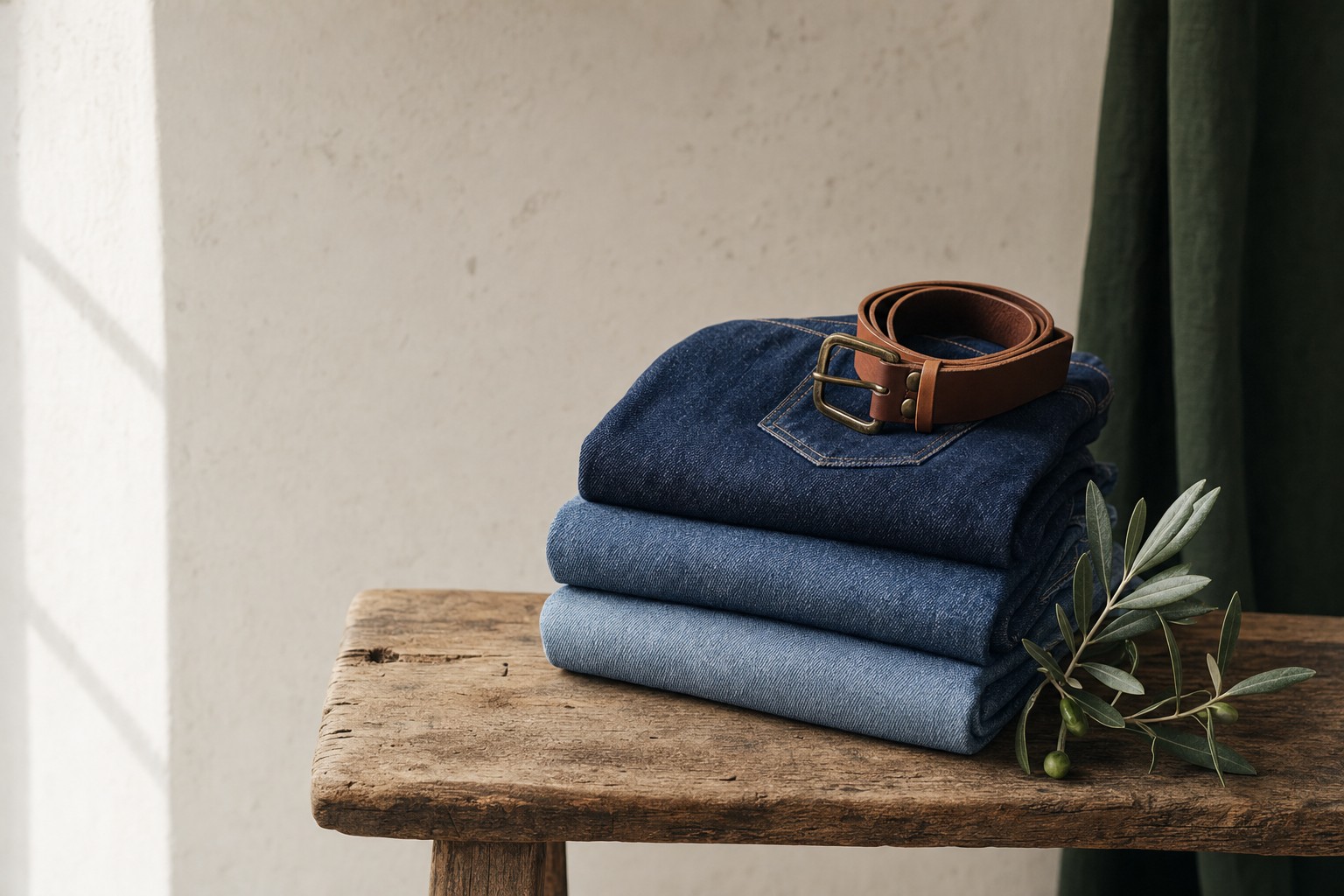
Featured Options Compared in This Guide
Full specs & notes ↓Treat repair access, fit and fabric as separate buying decisions. A free repair service is useful only if you can reach it; a preferred fiber blend cannot compensate for the wrong cut. Before buying, ask whether the jeans you already own need replacing or simply need a repair.
Nudie Jeans and DL1961 offer two concrete examples to compare below. Both are men’s slim styles, not substitutes for every fit or a ranking of either brand’s entire range.
Two jeans with different buying considerations
| Exact style | Published composition | Manufacturer-described fit | Decision point |
|---|---|---|---|
| Nudie Lean Dean Dry 16 Dips | 99% cotton, 1% elastane; the cotton is described as organic | Mid-rise, slim cut tapering toward the ankle | Consider the dry-denim shrinkage guidance and whether you can use in-person repairs |
| DL1961 Nick Slim Black | 58% cotton, 28% TENCEL Lyocell, 13% Elasterell-P, 1% Lycra | Slim silhouette, close through the thigh toward the ankle | Compare the four-fiber blend and black finish with what you want to wear |
Sources: Nudie Lean Dean Dry 16 Dips and DL1961 Nick Slim Black.
Both manufacturers describe these styles as having stretch. Stretch alone therefore does not distinguish them, and neither listed blend meets a preference for 100% cotton. Compare the published composition of the exact product you intend to buy rather than applying these details to a whole brand.
Nudie: account for shrinkage—and the trip to a repair shop
For Lean Dean Dry 16 Dips, Nudie says the denim has not been rinsed and gives specific allowances for shrinkage: 2% in the inseam and 4.5–6% in width. It advises against choosing a smaller size. These are the manufacturer’s figures for this style, not a universal rule for dry denim. Source: Lean Dean product page.
Compare the waist, rise, thigh and hem with a pair that already fits. During a permitted try-on, sit down and step up onto a low step. If the upper thigh or rise restricts movement, consider a roomier cut rather than assuming wear will resolve the mismatch. Ask about first-wash allowance before committing to a hem alteration.
Nudie’s repair and trade-in services have different access rules:
- Free repairs: Available for Nudie jeans through its Repair Shops and Repair Partners, regardless of when or where the jeans were purchased. Jeans must be freshly washed. The help page specifies walk-in service and one pair at a time.
- No mail-in repairs: You cannot post a pair to Nudie for this service. Repair times vary by location and workload, so ask the location about its current turnaround.
- Trade-in: Freshly washed, unwanted Nudie jeans qualify for a 20% discount on full-price denim at company-operated Repair Shops. External retailers may have different offers. This is a purchase discount, not a free replacement pair.
These terms come from Nudie’s repair and reuse help page.
If you cannot visit a Repair Shop or Repair Partner, do not count free in-person repairs as a usable purchase benefit. Nudie also describes a repair-kit option for c/o members, but currently limits kit shipping to EU countries. Elsewhere, plan for your own repair supplies or a local repair quote rather than assuming a kit can be delivered. Source: Nudie help.
DL1961: choose the fit and blend, not a whole-garment fiber shorthand
Nick Slim Black is described as a black stretch jean with a slim leg. DL1961 calls it true to size, but that is the brand’s sizing guidance—not a guarantee that its rise or thigh shape will suit you. Compare those dimensions with your reference pair, especially if you spend much of the day seated. Source: Nick Slim Black product page.
The fabric contains four listed fibers. TENCEL Lyocell accounts for 28%, so that name should not stand in for the complete composition. Likewise, the cotton share is 58%, rather than the 99% listed for the Nudie example. Those percentages establish a material difference; they do not establish which jean will fit better or last longer.
Choose between these examples only if a slim silhouette suits you. If you want a straight or roomy leg, keep looking rather than buying a narrow cut for its materials story.
What denim water figures can actually tell you
DL1961 reports 28 liters of water used during production for Nick Slim Black. The product page does not provide a detailed calculation method or process breakdown alongside that figure. Treat it as a manufacturer-reported production number, not a complete lifetime total or proof of superiority over another jean. Source: DL1961.
Textile Exchange’s cotton LCA overview has a different boundary: it covers cotton from farming until the lint leaves the gin. It does not describe the footprint of a finished pair of jeans. The overview says impacts vary substantially with growing region and production system, and cautions against simplistic rankings based on its results. Source: Textile Exchange cotton LCA overview.
Before using a water claim to choose denim, ask:
- Does it measure cotton production, garment production or something broader?
- Does the comparison use the same processes and calculation method?
- Does the figure apply to this exact jean?
An organic-cotton description is not, by itself, a fixed-percentage water-saving promise. Without comparable figures, fit, composition and accessible repair support provide firmer grounds for this purchase decision.
Secondhand denim: inspect the pair, not just the brand
Use a comfortable pair you own as the reference, then ask the seller for:
- Measurements: Flat waist, front rise, inseam, thigh and hem. Agree on where the thigh measurement is taken so you are comparing like with like.
- Material information: A clear photograph of the composition label rather than a brand-level description.
- Condition photographs: Crotch, inner thighs, pocket corners, hems, waistband and zipper, including any previous patches.
- Alteration details: Whether the jeans have been shortened or otherwise changed, especially if you need their full original length.
For damaged jeans, obtain a repair estimate or make a realistic repair plan before buying. Compare the asking price plus alterations and repairs, rather than treating every hole as either harmless or a reason to reject the pair.
Secondhand Nudie jeans may be particularly relevant if you can use the repair network: the published policy does not restrict repairs by purchase date or place of purchase. The same walk-in and no-mail-in limits still apply. Source: Nudie help.
For jeans you keep, follow their care instructions and ask a repairer about thinning areas before committing to replacement. Nudie describes its suggested delay before washing dry denim as a fading preference, not a requirement. Do not put off needed cleaning to follow a fade schedule, and wash jeans before handing them in for its repair service. Source: Nudie care and repair guidance.
Sources
- Nudie Jeans: Lean Dean Dry 16 Dips — composition, fit and style-specific shrinkage guidance.
- Nudie Jeans: repair, care and reuse help — repair access, mail-in restrictions, repair kits and trade-in terms.
- DL1961: Nick Slim Black — composition, fit and manufacturer-reported production water use.
- Textile Exchange: Cotton Life Cycle Assessment study overview — cotton-study boundaries, regional variation and interpretation limits.
Products Compared in This Guide
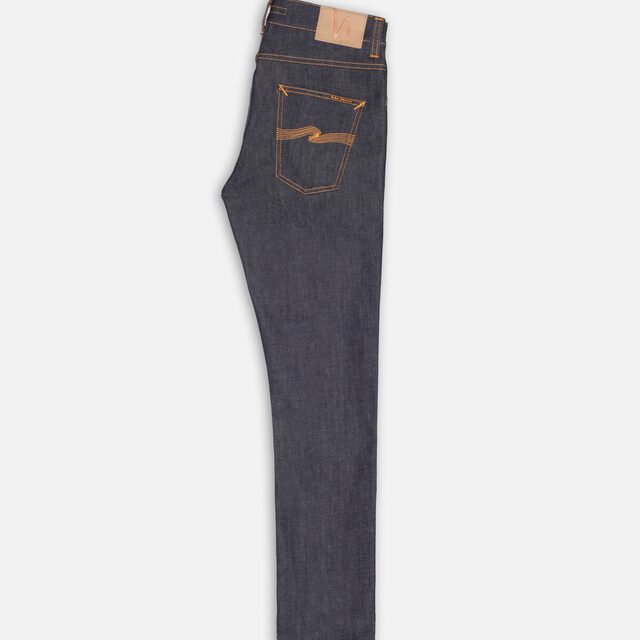
Nudie Jeans Lean Dean (Dry 16 Dips)
100% organic cotton, free lifetime repairs, trade-in program for worn pairs. The Lean Dean is a mid-rise slim straight that fits most body types. Nudie's selvedge and raw denim options are for denim enthusiasts; the Dry 16 Dips is the right entry point for most buyers.
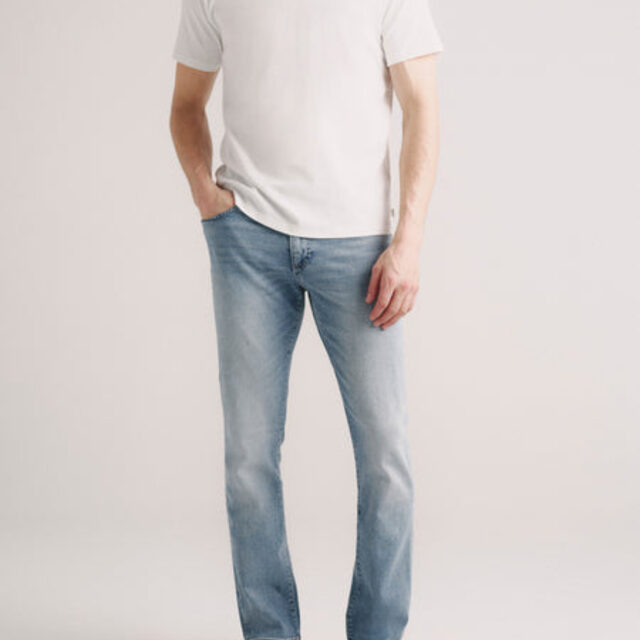
DL1961 Nick Slim Jeans
DL1961's 'washed in water' process cuts conventional denim water use by 80%. TENCEL-cotton blend construction. The Nick slim is a clean, modern cut that works for both casual and smart-casual wear. Excellent size range.
Pact Organic Straight Leg Jeans
GOTS-certified organic cotton, Fair Trade sewn. The most affordable new organic cotton jeans in the market. The cut is more relaxed than Nudie; the denim weight is slightly lighter. Best for casual everyday wear rather than a dress-up piece.
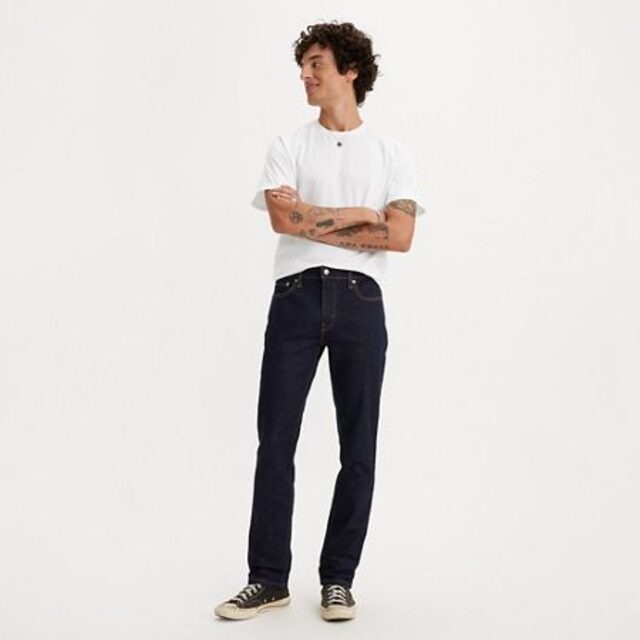
Levi's WaterLess Jeans (via ThredUp, secondhand)
Levi's WaterLess process reduces water use by up to 96% compared to conventional finishing. Buying these secondhand through ThredUp or Poshmark is the best environmental option — you get Levi's quality at fraction of retail while avoiding new production entirely.
Frequently Asked Questions
Does Nudie's trade-in program give me free replacement jeans?
No. Its published offer gives a 20% discount on full-price denim at company-operated Repair Shops. Free repairs are a separate service available through Repair Shops and Repair Partners. Nudie does not accept mail-in repairs.
Is all raw denim 100% cotton?
No. Raw or dry describes the denim's finishing state, not its complete fiber composition. Nudie's Lean Dean Dry 16 Dips lists 99% cotton and 1% elastane.
How should I compare denim water-use claims?
Compare figures only when their scope and methods align. DL1961 labels its figure for Nick Slim Black as production water use. Textile Exchange's cotton study covers farming through the cotton gin, not finished jeans. These are not interchangeable measurements.