Lower-Waste Pet Grooming: Shampoo, Brushes, and Towels
Build a useful pet-grooming kit around species-appropriate shampoo, coat-matched tools, washable towels, and clear dilution and cleaning directions.
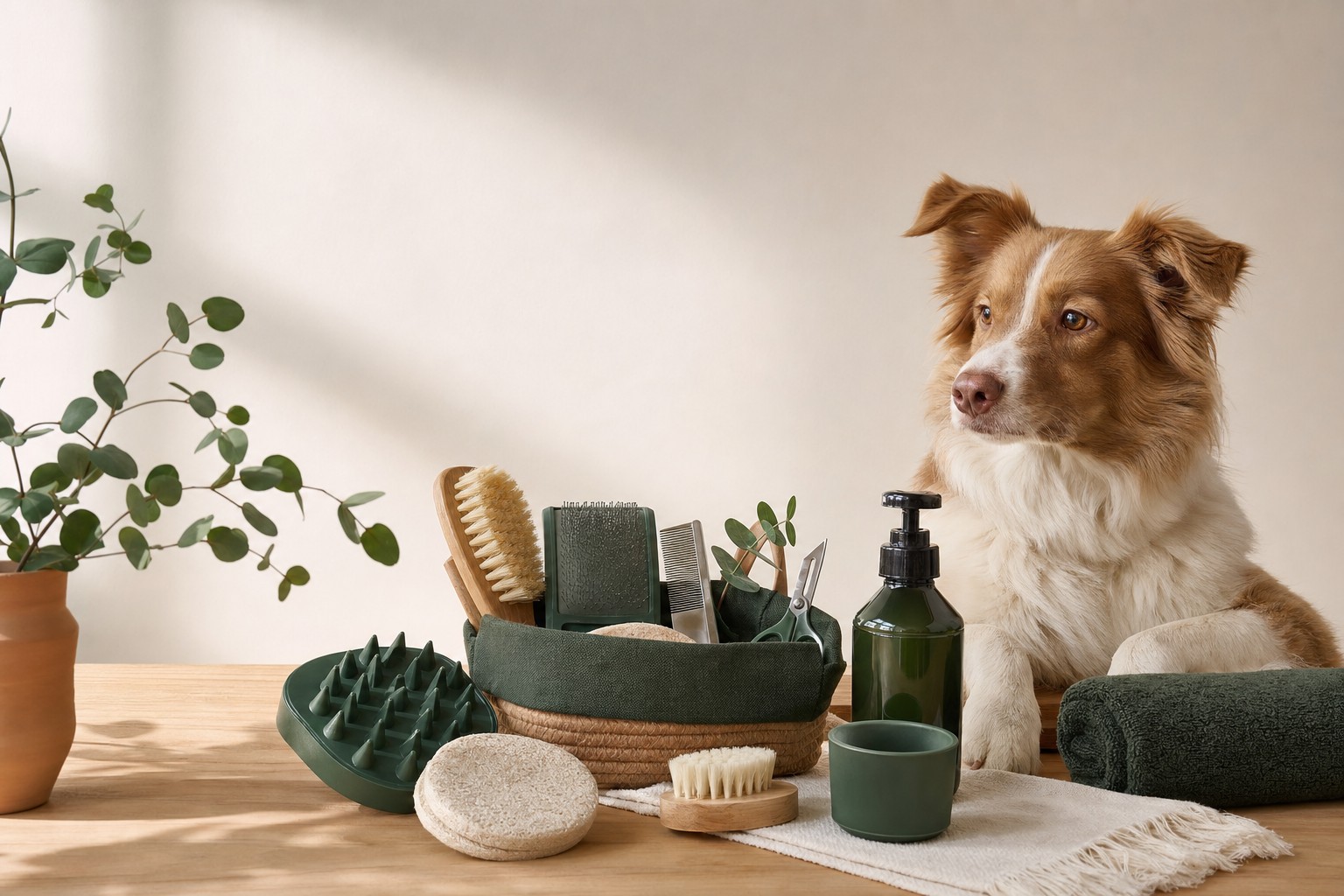
Featured Options Compared in This Guide
Full specs & notes ↓A useful lower-waste grooming kit starts with tools you can keep using: a coat-appropriate brush or comb, washable towels, and one suitable shampoo when bathing is needed. Buy around the animal’s needs rather than a bundle of “natural” products.
Packaging comes after suitability. A concentrate can reduce how much product you need to store, but only when diluted and handled as directed. A bamboo handle may replace some plastic while the rest of the brush still contains metal, rubber, adhesive, and synthetic bristles.
Shampoo: an exact formula to compare
earthbath Oatmeal & Aloe Itch Relief Shampoo — Fragrance Free is a documented option for owners avoiding added fragrance. The manufacturer lists colloidal oatmeal, aloe vera, plant-derived cleansers, vitamins, panthenol, citric acid, and phenoxyethanol among its ingredients. It describes the product for pets over six weeks old and advises veterinary consultation for sensitivities.
The organic claim on the ingredient list applies to aloe vera. It should not be expanded into a claim that the entire finished shampoo is certified organic. Likewise, an oatmeal ingredient is not proof that the shampoo will resolve a particular animal’s itching.
The specific directions permit dilution with ten parts water to one part shampoo and say to discard diluted shampoo after 24 hours. Prepare only what you need in a separate clean container. Do not dilute the entire original bottle for long-term storage. The directions also specify at least 90 seconds of contact and keeping the product out of eyes; follow the bottle’s full washing and rinsing instructions.
This is a general grooming product, not a flea treatment. If a pet uses a topical parasite preventive, follow that treatment’s bathing restrictions even when the shampoo makes a compatibility claim. The distinction is explained in the flea-control guide.
Pick a tool for the coat, not its color
| Grooming job | Tool characteristics to look for | Avoid |
|---|---|---|
| Removing loose surface hair | A brush whose bristle length and stiffness suit the coat | Assuming a firm brush is suitable for every short-haired animal |
| Checking a longer coat for tangles | A comb that passes through the coat without pulling skin | Forcing through mats or using scissors close to skin |
| Maintaining a dense undercoat | A tool demonstrated by a groomer for that coat | Choosing an aggressive shedding blade only because it claims to reduce shedding |
| Monitoring fleas | A fine flea comb appropriate to the pet’s size | Treating a comb as complete household flea control |
Have a groomer demonstrate technique if you are unsure. Stop when grooming causes pain or visible skin irritation. A well-chosen tool that the animal tolerates is more useful than a large kit with several unsuitable pieces.
Check pins and teeth for bending or rough edges, remove trapped fur after use, and dry tools after cleaning. Keep serviceable tools even when they lack an eco label. A wooden handle does not make an assembled brush suitable for compost.
Towels and cleaning supplies
Use clean, absorbent towels already in the household when they are suitable for the job. Keep enough available that a damp towel is not repeatedly reused. Dry the animal comfortably and allow towels and grooming tools to dry before storage.
CDC recommends cleaning pet items regularly and following their care instructions. For machine-washable fabrics it advises the cycle and temperature appropriate to the material; fragrance-free and dye-free detergents may suit sensitive pets. CDC cleaning guidance
Do not replace adequate towels merely because a new product says “bamboo.” Fiber blends, finishes, washing behavior, and whether you actually need a replacement matter more than the plant pictured on the package.
Natural ingredients still need care
Avoid applying concentrated essential oils or homemade essential-oil mixtures directly to pets. ASPCA describes health problems after skin exposure and ingestion and emphasizes the importance of concentration and formulation. Its guidance is not an endorsement of every diluted commercial product. ASPCA essential-oil advice
Persistent itching, sores, odor from inflamed skin, or unusual hair loss deserves veterinary attention. Repeatedly changing shampoos can delay identifying the problem.
For environmental claims, look for a specific packaging material, refill method, or recycled percentage. The FTC’s Green Guides summary explains why broad “green” claims are difficult to substantiate. A refill pouch is useful only if it works with your actual routine and has a realistic disposal route.
Sources
Products Compared in This Guide
Lower-Waste Pet Grooming — Top-Spec Options
Compare current model specifications, material disclosures, and third-party certifications for eco friendly pet grooming products for.
Certified Eco Friendly Pet Grooming Products For Alternatives
Check verified certification scope, replacement parts, and packaging details across eco pet care listings.