EcoFlow vs Jackery vs Goal Zero: Capacity, Expansion and Tradeoffs
Compare DELTA 2 Max, Explorer 2000 Plus expansion and Yeti 1500X, including battery capacity, charging accessories and availability.
Featured Options Compared in This Guide
Full specs & notes ↓EcoFlow DELTA 2 Max suits buyers who need its documented 2,400W AC output and two 100W USB-C ports. Jackery Explorer 2000 Plus deserves consideration for a larger expandable energy reserve. Goal Zero Yeti 1500X is most relevant to existing owners or buyers considering an open-box unit, given its new-unit availability. These are model-specific choices, not a reliability ranking of the three brands. EcoFlow specifications; Jackery expansion details; Goal Zero listings.
Start with two separate requirements: the energy needed between charges, expressed in watt-hours, and the simultaneous power demand, expressed in watts. Extra batteries address the first requirement; they should not be treated as proof that a station can run a more demanding appliance.
Capacity and expansion across the three systems
| System | Listed base battery energy | Documented expansion | Purchase implication |
|---|---|---|---|
| EcoFlow DELTA 2 Max | 2,048Wh; LFP | Up to two compatible extra batteries; 6,144Wh with two DELTA 2 Max Smart Extra Batteries | A candidate when the advertised expanded capacity covers your energy budget |
| Jackery Explorer 2000 Plus | 2,042Wh; LiFePO4, as listed in Jackery’s navigation | Up to five Battery Pack 2000 Plus units per station; approximately 12.256kWh total | Worth shortlisting when you need more storage than the listed DELTA 2 Max configuration provides |
| Goal Zero Yeti 1500X | 1,516Wh; lithium-ion NMC | Tank V3 batteries add 1,200Wh each through a separately sold Link V3 module | An expansion route for an existing Yeti, with substantial added weight and current supply constraints |
Sources: DELTA 2 Max, Jackery Battery Pack 2000 Plus and Explorer listing, Yeti 1500X, and Link/Tank V3 compatibility.
EcoFlow and Jackery have closely matched listed base capacities. Capacity alone gives little reason to prefer one of those two for an unexpanded setup. Jackery’s larger documented expansion configuration becomes relevant for longer intervals between charging opportunities, provided the station can also meet your appliance demands.
Nominal storage is not delivered AC energy. Goal Zero explains that output conversion consumes energy, with additional conversion when an AC outlet feeds a device’s power adapter. Estimate your needs from equipment consumption and operating hours, leaving room for losses rather than promising runtime from battery capacity alone. Yeti runtime guidance.
Where Explorer 2000 Plus earns its place
The specific Jackery alternative here is Explorer 2000 Plus paired with Battery Pack 2000 Plus. Each expansion pack has a listed capacity of 2,042.8Wh, weighs about 41.9lb and includes an expansion cable. Jackery also documents a configuration using two paralleled Explorer 2000 Plus stations and ten packs for approximately 24.513kWh. That larger configuration requires two stations; it is not the capacity of one station with five packs. Jackery pack specifications and configurations.
For an existing Explorer 2000 Plus owner whose appliances already run successfully, adding a compatible pack is a concrete way to increase the energy reserve. For a new buyer who needs more than EcoFlow’s advertised 6,144Wh setup, Jackery merits a complete system quote. Include the station, packs and any equipment required for the chosen configuration.
The pack also accepts direct solar charging. Jackery advertises a two-hour solar charge using six SolarSaga 200W panels, which are separate from the pack’s listed box contents. Treat that as a manufacturer claim for the battery pack and specified panel arrangement, not a recharge promise for a fully expanded system. Jackery charging and box contents.
Two distinctions matter before buying:
- The pack’s 41.9lb weight is not the station’s weight. It cannot establish whether Explorer 2000 Plus is easier to carry than DELTA 2 Max or Yeti 1500X.
- Similar names do not establish compatibility. Jackery explicitly says this pack does not fit HomePower 2000 Plus v2.
The linked battery page does not specify Explorer 2000 Plus’s continuous AC output, surge rating, USB-C limits or base-station weight. Those remain necessary purchase checks for high-demand appliances, two-laptop setups and frequent carrying. The expansion capability supports a shortlist decision, but does not settle those other comparisons. Jackery compatibility and specifications.
Appliance power, laptop ports and carrying weight
For DELTA 2 Max and Yeti 1500X, the station pages provide these manufacturer specifications:
| Specification | EcoFlow DELTA 2 Max | Goal Zero Yeti 1500X |
|---|---|---|
| Continuous AC output, total | 2,400W | 2,000W |
| Listed surge output | 4,800W | 3,500W |
| AC outlets | Six | Two |
| USB-C output limits | Two ports, up to 100W each | One up to 60W; one up to 18W |
| Base-station weight | 50lb | 45.64lb |
| Maximum solar input | 1,000W across two inputs | 600W |
Sources: EcoFlow station specifications and Goal Zero station specifications.
For compatible loads above 2,000W and within 2,400W, EcoFlow offers the higher continuous AC ceiling. Its separate 3,400W X-Boost figure should not substitute for the continuous rating. Startup demand also matters: Goal Zero explains that an excessive surge, including one lasting too long, can shut down the output. EcoFlow output ratings; Yeti appliance guidance.
For two laptops, compare port power before counting sockets. EcoFlow’s two 100W USB-C ports offer more charging headroom than the Yeti’s 60W and 18W ports. Match each laptop and cable to the intended output; an 18W connection may not meet a working laptop’s requirements.
For repeated lifting, Yeti has the lower listed base weight of these two stations. That advantage does not extend to its expansion batteries: one Tank V3 weighs 77.1lb while adding 1,200Wh. By comparison, Jackery’s 2,042.8Wh expansion pack weighs about 41.9lb. These accessory figures make the Tank system more suited to a setup that stays in place. They do not establish the complete systems’ carrying weights. Tank specifications; Jackery pack specifications.
Charging equipment can change the decision
DELTA 2 Max includes an AC charging cable and lists AC input up to 1,800W. Its solar inputs each support 11–60V and 15A, with a 500W ceiling per input and 1,000W combined. EcoFlow charging specifications.
Yeti 1500X lists a 14-hour full recharge with its included 120W wall supply. Goal Zero lists seven hours with an optional 230W supply and three hours with an optional 600W supply. A used or open-box purchase should therefore include a clear account of which charger comes with it. Its high-power charging input supports 14–50V with a 600W ceiling. Yeti recharge specifications.
Yeti expansion introduces a different charging path. Goal Zero directs owners to the Link input to replenish the Tanks and station together; the Tank FAQ gives that input a 150W limit. It also describes an optional 30A external MPPT controller for faster solar charging directly into the Tanks. The base station’s 600W input rating should not be used as the Tank system’s charging rate. Tank charging guidance.
For solar use, size the charging arrangement alongside the battery reserve. More storage helps bridge gaps between charging opportunities, but creates more energy to replace afterward. Panel ratings are not guaranteed production: Goal Zero notes the effects of sunlight, orientation and losses. Yeti solar guidance.
Availability on September 5, 2026
EcoFlow: DELTA 2 Max is listed for preorder. The introductory text says mid-September shipment, while configuration listings say mid-October. Confirm the selected configuration’s delivery date before tying it to a trip or backup deadline. EcoFlow listing.
Jackery: Battery Pack 2000 Plus displays purchase controls and a two-to-five-business-day shipping message, alongside a notification control elsewhere on the page. Confirm pack stock and destination-specific delivery. These messages apply to the pack; they do not establish availability of the Explorer 2000 Plus base station or a complete expanded system. Jackery pack listing.
Goal Zero: The main Yeti 1500X page marks the station as no longer available, and Tank V3 is sold out. The Link V3 collection describes the module as back in stock and separately lists an open-box Yeti 1500X with a six-month warranty and final-sale terms. An open-box listing does not establish that new units or a complete Tank configuration are available. Yeti listing; Tank listing; Link and open-box listings.
Read cycle ratings with their endpoints attached
EcoFlow rates DELTA 2 Max at 3,000 cycles to at least 80% capacity. Goal Zero rates Yeti 1500X at 500 cycles to 80%, specifying full charge/discharge, a 1C discharge rate and 25°C. Jackery rates Battery Pack 2000 Plus, rather than the base station in this source, at 4,000 cycles to at least 70% capacity. EcoFlow; Goal Zero; Jackery.
Jackery’s lower remaining-capacity endpoint prevents a direct numerical ranking against the two 80% ratings. None establishes complete-station service life or brand-wide reliability. For an existing owner, the practical replacement question is whether present runtime and output still cover the required equipment. For a new buyer, combine those requirements with the expansion plan, charging equipment and actual delivery of the whole configuration.
Sources
- EcoFlow DELTA 2 Max US product page and specifications
- Jackery Battery Pack 2000 Plus specifications, compatibility and expansion configurations
- Goal Zero Yeti 1500X specifications and charging guidance
- Goal Zero Yeti Link and Tank Expansion V3 collection
- Goal Zero Yeti Tank Expansion Battery V3 specifications and charging FAQ
Products Compared in This Guide
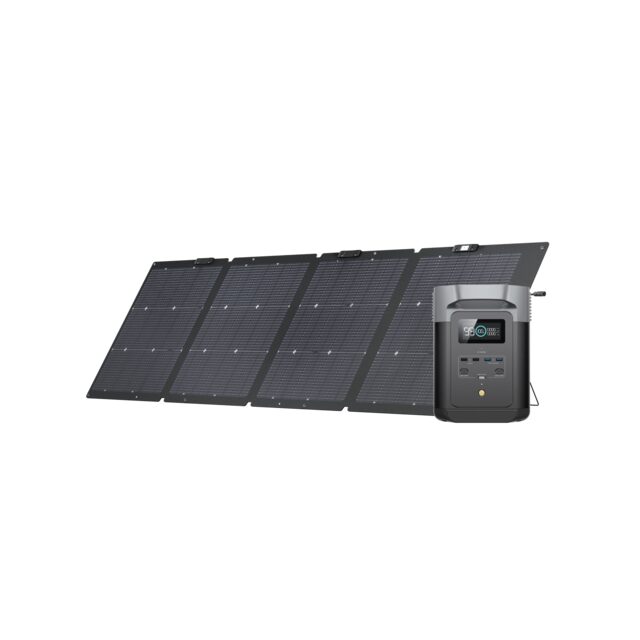
EcoFlow Delta 2
EcoFlow's flagship mid-range station. 1,024Wh LiFePO4, 1,800W output, 50-minute charge to 80%. The best value in the $999 bracket and the easiest recommendation for a first station.
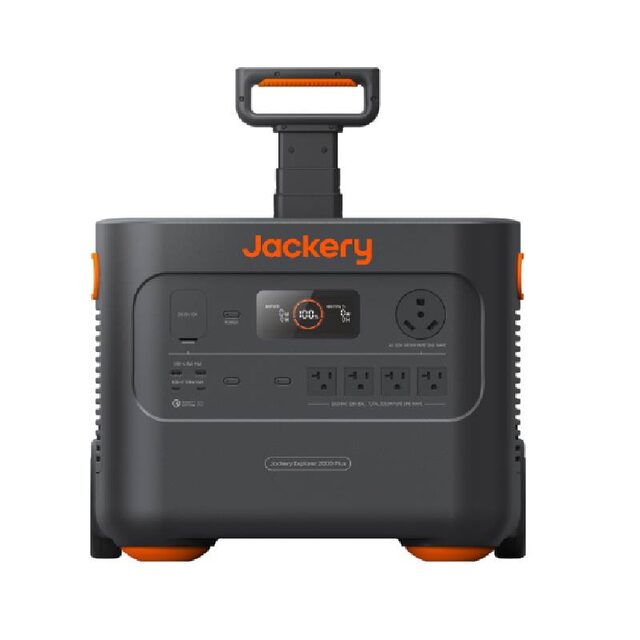
Jackery Explorer 2000 Plus
Jackery's expandable flagship. 2,042Wh LiFePO4, 3,000W output, expands to 12kWh via add-on packs. The unique value proposition in the category for buyers planning to grow their system.
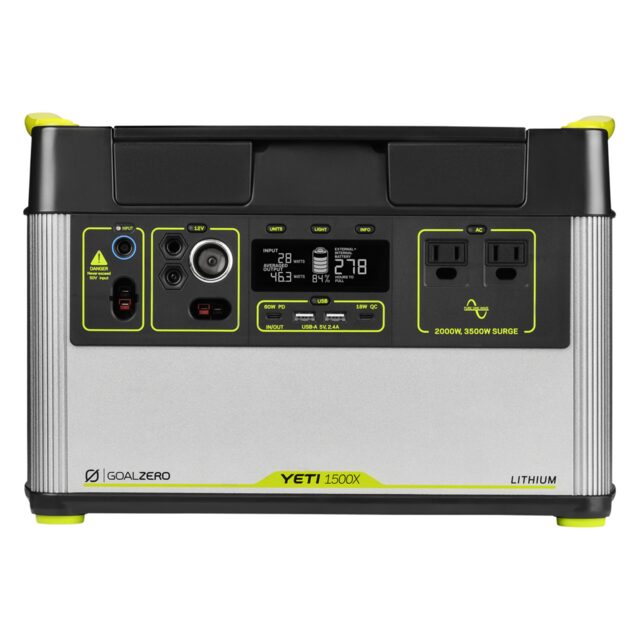
Goal Zero Yeti 1500X
Goal Zero's benchmark for premium home backup and ecosystem depth. 1,516Wh NMC battery, 2,000W output, best app in the category. The premium choice for app quality and brand longevity.
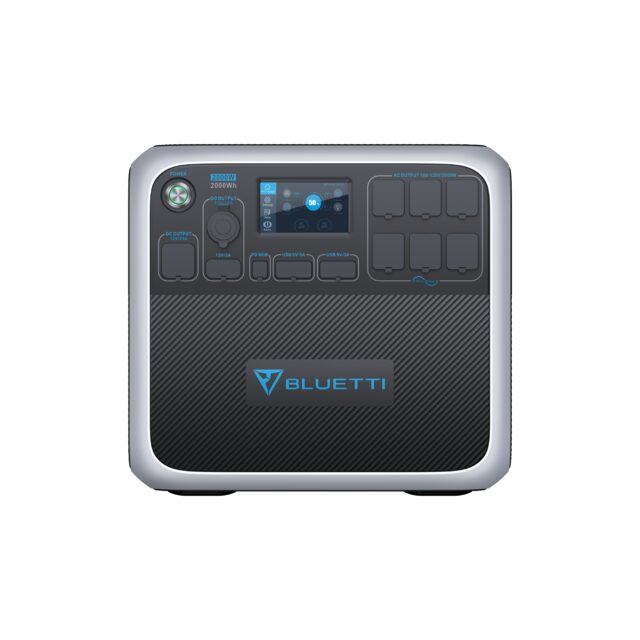
Bluetti AC200P
The fourth major brand worth considering. 2,000Wh LiFePO4, 2,000W output, wireless charging pad. Slightly less polished app and ecosystem than the three main brands, but strong value at 2,000Wh.
Frequently Asked Questions
When should Jackery Explorer 2000 Plus make the shortlist?
Consider it when expansion beyond DELTA 2 Max's advertised 6,144Wh configuration matters. Jackery documents five Battery Pack 2000 Plus units per Explorer 2000 Plus, for approximately 12.256kWh total. Confirm the station's output, ports, carrying weight and delivery separately before ordering.
Does Battery Pack 2000 Plus fit HomePower 2000 Plus v2?
No. Jackery explicitly excludes HomePower 2000 Plus v2 from compatibility with this battery pack. The pack is intended for Explorer 2000 Plus.
Can Yeti 1500X use expansion batteries?
Goal Zero documents Tank V3 expansion through a separately sold Link V3 module. Each Tank adds 1,200Wh and weighs 77.1lb. The Tank listing showed sold out on September 5, 2026.
Which brand has the best battery lifespan?
These specifications do not establish a brand-wide winner. EcoFlow and Goal Zero publish ratings to 80% remaining capacity, while Jackery's cited expansion-pack rating uses a 70% threshold. An expansion battery rating also does not establish the complete station's lifespan.