Shopping at Credo Beauty: Standards, Product Fit, and Returns
Understand Credo's ingredient and fragrance standards, compare product claims, and check its online and in-store return rules before buying.

Featured Options Compared in This Guide
Full specs & notes ↓Credo is useful if you want a retailer-wide ingredient and packaging standard, but you still need to choose for your skin, shade, budget, and fragrance preferences. Its clean standard is not a personal allergy screen, and its return policy is conditional rather than an unlimited trial.
The most useful way to shop is to identify one missing function in your routine, compare the exact formula, and understand the return window before opening it.
What Credo’s standard covers
Credo describes its Clean Standard as covering ingredient safety, sourcing, sustainability, ethics, and transparency. It also maintains a Dirty List of prohibited ingredients and ingredient categories. The retailer’s published description says the list contains more than 2,700 entries. Credo’s explanation of its standard.
That number is not a direct comparison with another retailer’s list or a government’s regulations: lists can group ingredients differently and address different uses. It does not establish that a product outside Credo is harmful or that everything inside the store is the best choice for you.
Fragrance is the key nuance. Credo says its partners must categorize the type of fragrance used, while full fragrance-ingredient disclosure is encouraged. It does not say that every product must publicly list every component of every fragrance blend. Credo’s stated requirements.
If fragrance triggers your skin, look specifically for a fragrance-free product and read the ingredient panel. “Natural fragrance,” essential oils, and a retailer’s clean badge are not equivalent to fragrance-free.
Read a product page as a set of separate decisions
Saie Slip Tint is a concrete example. Credo’s current listing describes a tinted moisturizer with sheer, dewy coverage, broad-spectrum SPF 35, and shade options organized by depth and undertone. The full ingredient panel lists 15% zinc oxide and includes beeswax.
That gives a shopper several useful answers:
- Coverage: A candidate for a sheer, luminous base; less aligned with a preference for matte, opaque coverage.
- Shade: Select depth and undertone rather than assuming a sheer product fits everyone.
- Vegan preference: Beeswax makes this formula unsuitable for a strictly vegan routine, regardless of cruelty-free positioning.
- Sun protection: Use the package’s sunscreen directions. Do not mix an SPF product with another cosmetic to change its shade or texture.
The AAD recommends broad-spectrum SPF 30 or higher and water resistance, with proper application and reapplication. An attractive tint is not proof that the small amount used for makeup is enough for sun protection. AAD sunscreen guidance.
For other base and eye products, see our clean makeup comparison. For serums, first decide whether you want a treatment step or simply extra moisturizing support; the serum and face-oil guide separates those jobs.
Returns: the details that affect the purchase
As checked September 5, 2026, Credo’s FAQ states the following. Policies can change, so read the current terms before ordering. Credo returns FAQ.
| Purchase or return method | Published terms |
|---|---|
| Online purchase returned by mail | Within 30 days of delivery; $5 return fee |
| Online purchase returned in a Credo store | Within 30 days of delivery; no return fee; bring the order number |
| In-store purchase | Within 30 days of purchase, with a receipt |
| Product condition | Unused or gently used; substantially used items are excluded |
| Other exclusions | Final-sale items, reward redemptions, gift cards, and gifts with purchase are excluded from ordinary returns |
Shipping charges are not refunded. APO customers must arrange and pay for their own return label; Credo says it cannot provide prepaid return labels for those addresses. Items bought as an exchange can subsequently be returned for store credit only. Credo reserves discretion over product condition. Do not buy an extensive routine assuming every heavily used item can be returned after a month.
Spend on a need, not a retailer-wide overhaul
If your cleanser and moisturizer work, keep them. A specific concealer shade or a tolerated sunscreen may solve more than a collection of overlapping serums. Compare package size and how much you actually use; a smaller initial purchase can make sense even when a larger one has a lower unit price.
Introduce skincare one product at a time. The AAD recommends small-area testing for seven to ten days and stopping a product that causes a reaction. That home check is separate from medical allergy testing, and a clean-retailer standard does not replace either. AAD testing advice.
For packaging, distinguish refillable parts, recycled material, and collection-program acceptance. Credo’s beauty-empties program is an option described in its FAQ; it does not mean every container belongs in curbside recycling. Keep your choice tied to a disposal or reuse route you can actually use.
Sources
Products Compared in This Guide
ILIA Bright Start Retinoid+ Activating Serum
Credo's top-selling anti-aging serum. Encapsulated retinal plus bakuchiol in a clean base — the hybrid formula that delivers retinoid speed with reduced irritation. Worth the price for the active delivery.
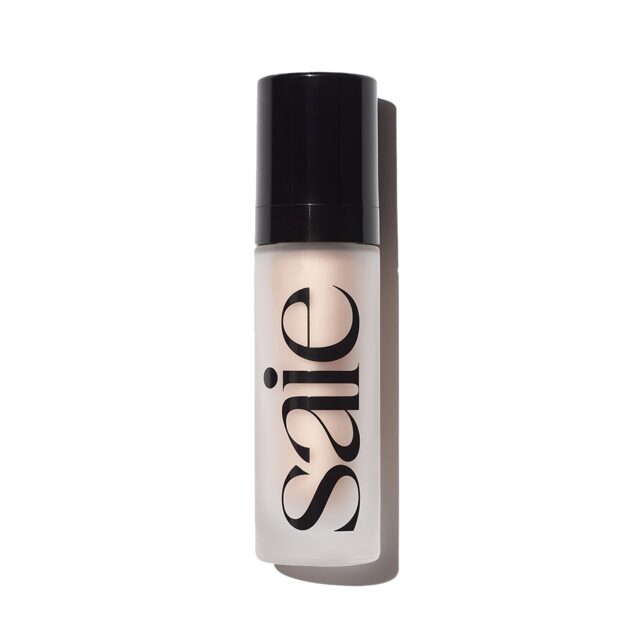
Saie Glowy Super Gel
The best impulse buy at Credo. A clear gel highlighter that elevates any makeup routine. Minimal ingredients, EWG score 1. No conventional equivalent does this at this price with these credentials.
Cocokind Barrier Ceramide Cream
Budget clean moisturizer at Credo. Cocokind consistently delivers EWG 1-2 formulas at drugstore prices. The ceramide cream is an excellent clean moisturizer for daily use without the prestige price.
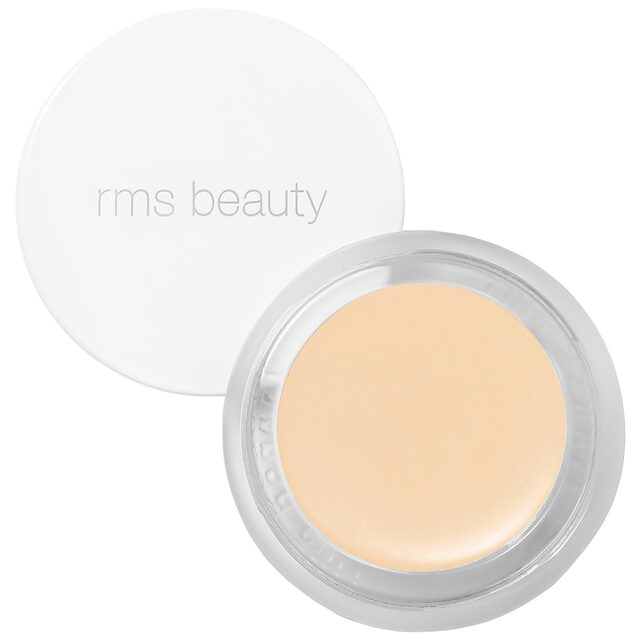
RMS Beauty Un Cover-Up Concealer
Raw coconut oil base, 30 shades. One of the most beloved products at Credo — light coverage that's buildable, doesn't crease, and genuinely improves with skin moisture. A staple for clean makeup routines.
Frequently Asked Questions
Does Credo require every fragrance ingredient to be publicly listed?
Credo says brand partners must categorize the type of fragrance and that it encourages full fragrance-ingredient disclosure. That is not a blanket requirement for every fragrance component to appear publicly on every product.
Are Credo online returns free?
As checked September 5, 2026, Credo's FAQ lists a $5 mail-return fee for online orders returned within 30 days of delivery. Eligible online purchases can be returned in a Credo store at no cost. Conditions and exclusions apply.
Is everything at Credo vegan?
Do not assume so. Cruelty-free and vegan describe different things. Check each formula: the Saie Slip Tint ingredient panel on Credo includes beeswax.