Clean Beauty Serums and Face Oils: Choose by Skin Concern
Compare Cocokind Vitamin C Glow Serum, Ceramide Barrier Serum, and Biossance Squalane Oil by current ingredients, purpose, and routine fit.
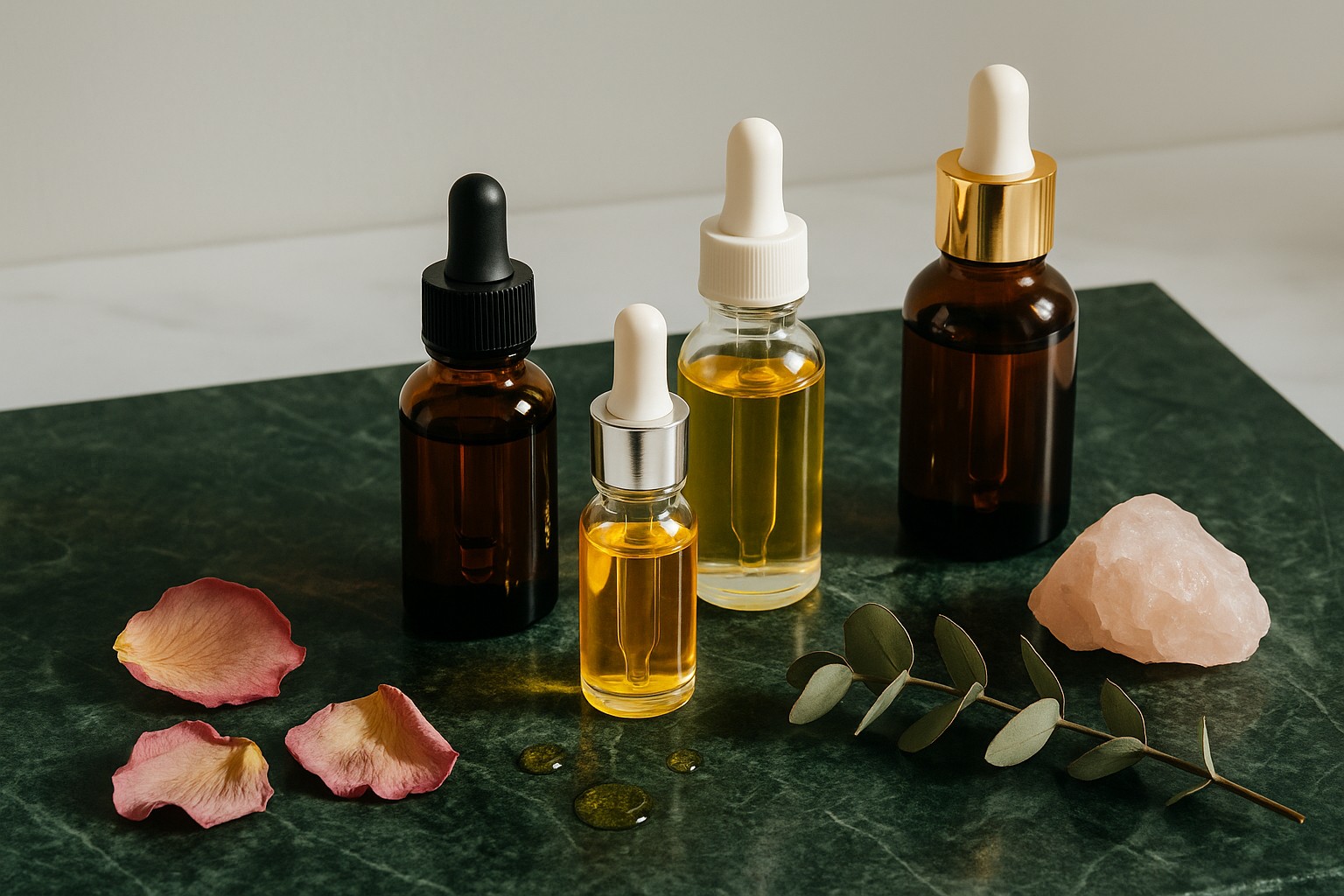
Featured Options Compared in This Guide
Full specs & notes ↓For a tone-focused serum, compare Cocokind Vitamin C Glow Serum; for a moisturizing serum, compare its Ceramide Barrier Serum; for a simple facial oil, compare Biossance 100% Squalane Oil. These serve different purposes. Buying all three is unnecessary if your moisturizer already keeps your skin comfortable.
A serum is a product format, not a promise of a particular concentration or deeper penetration. A facial oil adds emollience, but a plain oil does not perform the same job as a targeted treatment. “Clean” is also not a reason to expect faster results or fewer reactions.
Three formulas with different jobs
| Product | What the manufacturer currently lists | Where it fits | Main tradeoff |
|---|---|---|---|
| Cocokind Vitamin C Glow Serum | 2% ascorbyl glucoside and 2% azelaic acid; glycerin and sodium hyaluronate | A tone-focused step before moisturizer | Not pure ascorbic acid or prescription-strength azelaic acid |
| Cocokind Ceramide Barrier Serum | Five ceramides, glycerin, beta-glucan, jojoba oil, and squalane | Extra moisturizing support under a cream | May duplicate ingredients already in your moisturizer |
| Biossance 100% Squalane Oil | One listed ingredient: sugarcane-derived squalane | A small amount after moisturizer when extra softness is wanted | Does not supply a water-based moisturizer’s full formula or sunscreen protection |
These are comparisons of published formulas. Texture, breakouts, and cosmetic results will vary with the person and the rest of the routine.
Cocokind Vitamin C Glow Serum: for uneven-looking tone
Cocokind explicitly describes a reformulation to ascorbyl glucoside and discloses 2% each of that ingredient and azelaic acid. Its current ingredient list also includes aloe juice, glycerin, and sodium hyaluronate. There is no fragrance/parfum listed. Current product page and ingredient panel.
Choose this if you want that combination in one product. Do not interpret “4% hero ingredients” as 4% vitamin C: the brand groups two ingredients in that figure. Nor does 2% of a vitamin C derivative establish equivalence to a higher concentration of pure ascorbic acid.
It is a cosmetic option for an existing, stable routine. Persistent pigmentation or acne may need a different treatment; the presence of azelaic acid does not make this serum equivalent to a prescription product. Keep sun protection in place.
Cocokind Ceramide Barrier Serum: for added moisturizing support
The current formula contains ceramides NP, NS, AP, EOS, and EOP. Cocokind says it removed banana extract and lactic acid and rebalanced the oil blend with jojoba oil. Older ingredient descriptions may therefore differ from the bottle you buy. Current formula and reformulation explanation.
This is the more relevant comparison when your goal is comfortable-feeling, moisturized skin rather than another tone-focused active. Its preservatives remain part of the complete formula; “barrier” does not mean preservative-free or reaction-proof. If your moisturizer already works well, try using it consistently before paying for a separate serum.
Biossance 100% Squalane Oil: for a simple oil step
Biossance lists only squalane and identifies its source as sugarcane. That makes the source clear for buyers avoiding animal-derived squalane. It is different from the brand’s Vitamin C Rose Oil, which includes additional ingredients. Biossance ingredient and use guidance.
The brand directs facial users to warm a small amount between their hands and pat it on; its layering guidance places the oil after moisturizer. Start sparingly so you can judge the finish. A simpler ingredient list can make comparison easier, but it cannot guarantee that an oil will suit acne-prone skin.
Build around one useful addition
Keep cleanser, moisturizer, and daytime sunscreen as the foundation. Add one serum for a defined goal, following its directions. A plain oil is optional, especially if you dislike a richer finish. Apply sunscreen according to its own label; do not mix it into serum or oil to make it spread farther.
If skin is reactive, use the AAD’s small-area testing approach before widespread use. Persistent burning or a rash calls for stopping the new product, not adding more actives to counteract it.
For wrinkles specifically, read the bakuchiol and retinol evidence comparison. For fewer bottles, compare the packaging you will actually finish: a glass bottle can still have a plastic dropper or pump, as explained in our beauty packaging guide.
Sources
Products Compared in This Guide
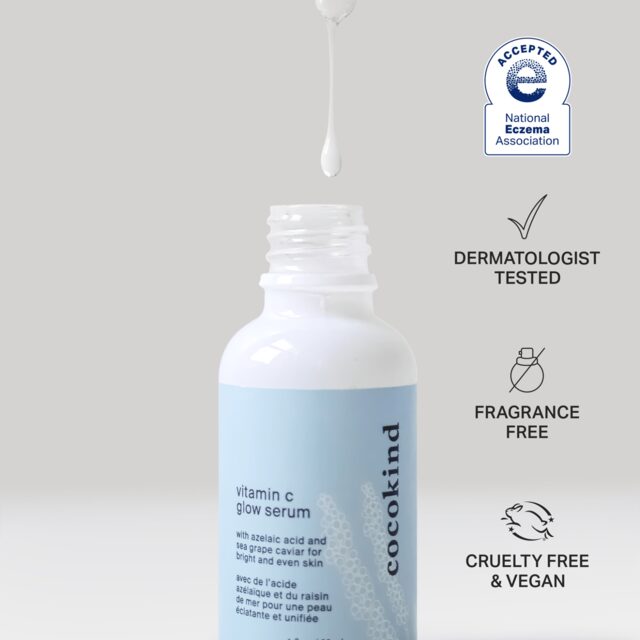
Cocokind Vitamin C Serum
10% stable ascorbic acid, transparent ingredient sourcing, published environmental impact data per product. Cocokind is the clean beauty market's answer to affordable vitamin C—a category usually dominated by overpriced serums. Apply AM before SPF.
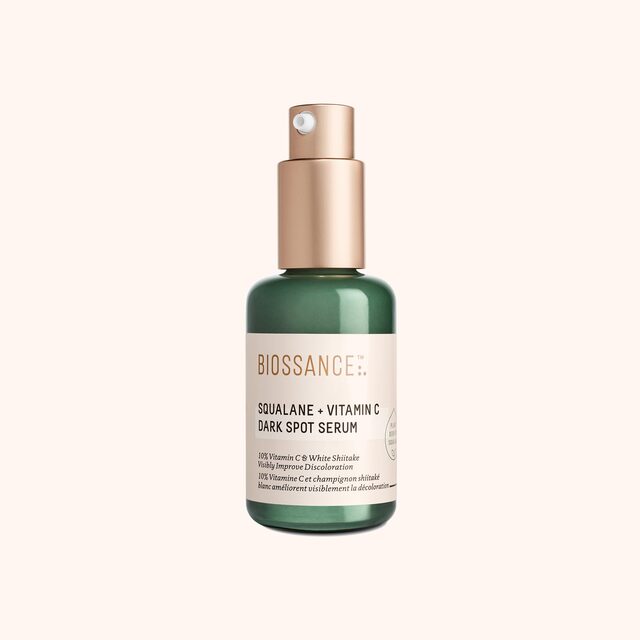
Biossance Squalane + Vitamin C Dark Spot Serum
Sugarcane-derived squalane with a vitamin C ester formulated for dark spot correction. The ester form of vitamin C is more stable than ascorbic acid but works more gradually. Fragrance-free, vegan, certified B-Corp. For those with hyperpigmentation concerns, this is the most effective clean vitamin C serum.
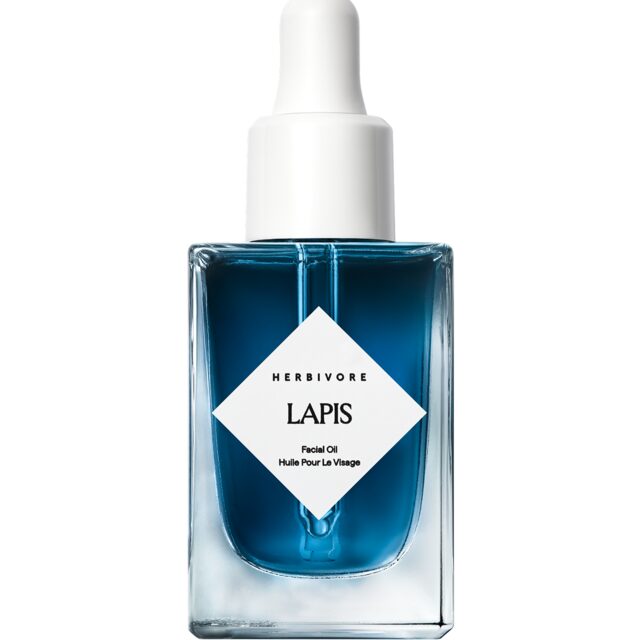
Herbivore Lapis Blue Tansy Face Oil
Blue tansy oil is naturally anti-inflammatory—a face oil aimed at oily and acne-prone skin, where plant oils are counterintuitively helpful by balancing sebum production. Jojoba and marula oil base. Herbivore meets Credo Clean Standard. The blue color is natural (azulene from the tansy plant).
Cocokind Bakuchiol Face Oil
Bakuchiol is the clinically-tested plant-derived retinol alternative—studies show comparable wrinkle reduction and collagen stimulation with less irritation. Cocokind's bakuchiol is in an organic marula and jojoba carrier. For those who want retinol-like results without the pregnancy restrictions and sensitivity issues of actual retinoids.
Frequently Asked Questions
Do I need both a serum and a face oil?
No. Choose a serum for a specific concern and consider an oil only if you want extra emollience. A moisturizer may already meet your needs. Neither is a sunscreen replacement.
Is Cocokind Vitamin C Glow Serum 10% ascorbic acid?
No. Cocokind's current product page lists 2% ascorbyl glucoside, a vitamin C derivative, plus 2% azelaic acid. This should not be treated as a 10% pure ascorbic acid formula.
Is squalane the same as squalene?
Squalane is a hydrogenated form of squalene. Source matters for animal-derived ingredient preferences: Biossance identifies the squalane in its 100% Squalane Oil as sugarcane-derived.