Plastic-Free Beauty Swaps: Bars, Tins, and Reusable Bottles
Compare practical beauty packaging swaps, including Ethique bars, Meow Meow Tweet deodorant, and refillable bottles, with honest disposal limits.
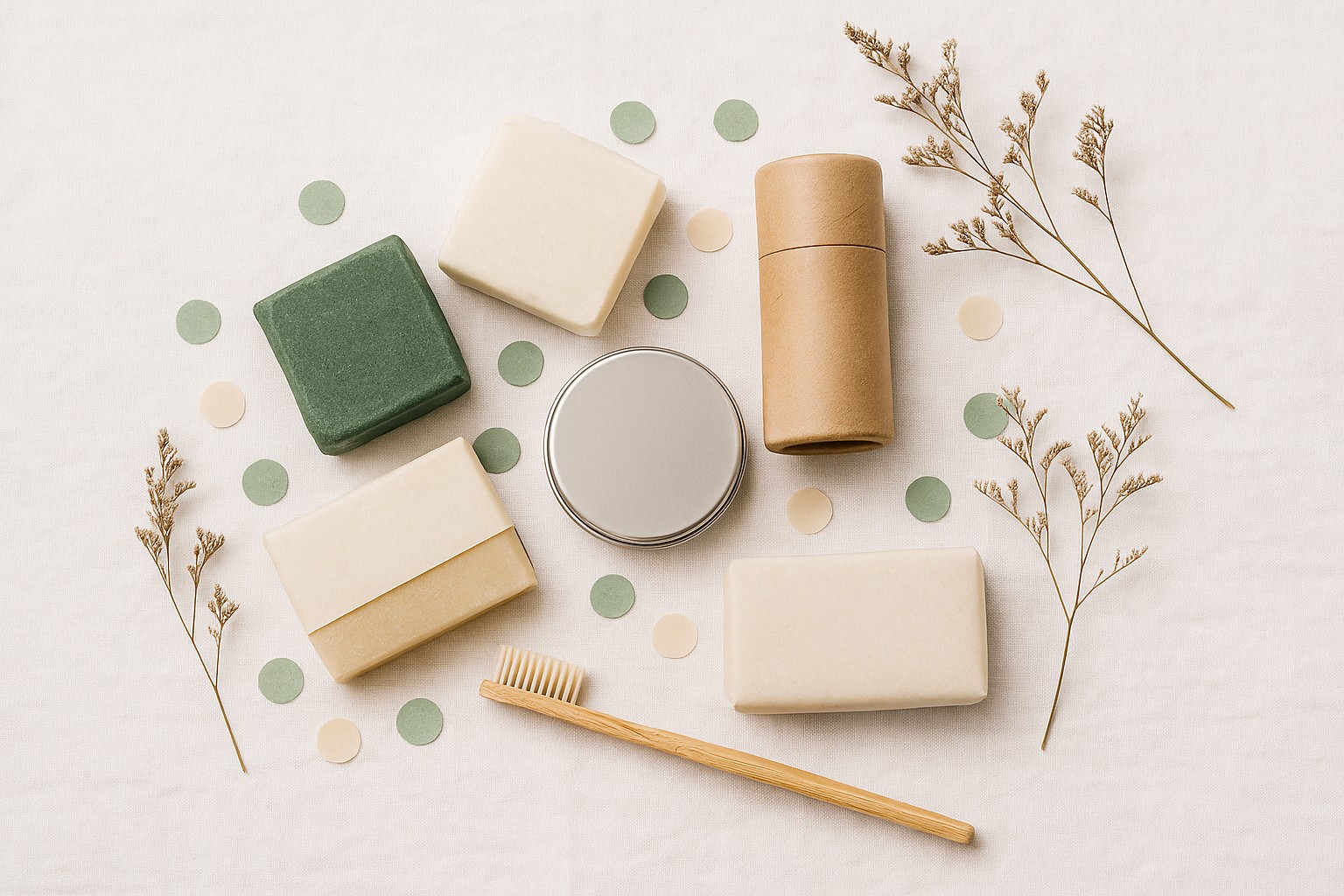
Featured Options Compared in This Guide
Full specs & notes ↓The easiest useful swap is usually one product you already finish often: a shampoo bar instead of a shampoo bottle, or a deodorant cream in a tin instead of a disposable stick. Keep working products until they are used up. A bathroom full of new “zero-waste” purchases creates its own waste if you do not like the formulas.
Check the complete package, not just its most visible material. A glass jar may have a plastic lid; a refillable aluminum bottle may use a plastic pump. Those can still reduce disposable packaging when reused, but they are different from a product sold without plastic packaging.
Start with these format comparisons
| Category | Specific option to compare | What changes | What you must be willing to do |
|---|---|---|---|
| Shampoo | Ethique GENTLE Shampoo Bar | A solid bar instead of a liquid shampoo bottle | Let the bar drain and dry |
| Deodorant | Meow Meow Tweet Unscented Baking Soda Free Deodorant Cream | A metal tin and paper sleeve instead of a conventional stick | Apply a small amount with clean fingers |
| Liquid hair care | Plaine Products bottle-return system | Aluminum bottles returned for reuse; a pump kept between orders | Save caps and organize returns |
| Sunscreen | ATTITUDE Sunly Mineral Sunscreen Stick SPF 30 | A solid formula in a cardboard tube | Apply full coverage and use a water-resistant alternative for swimming |
A shampoo bar: choose the formula before the package
Ethique’s GENTLE Shampoo Bar has no added fragrance or essential oils. It is marketed as sulfate-free and suitable for color-treated hair. The ingredient list includes sodium cocoyl isethionate and sodium cocoyl glycinate as cleansing ingredients. That is a more useful reason to consider it than treating all bars as the same product.
Ethique describes its packaging as compostable in its product FAQ. Treat that as the brand’s packaging claim and check the wrapper and your local disposal options.
Wet your hair and the bar, lather at the scalp, and rinse. Store it with airflow and drainage, away from the shower stream. A solid format still needs proper storage; keeping it wet can waste product. Compare more formulas in the sustainable hair-care guide.
Deodorant cream: a tin, not a cardboard stick
Meow Meow Tweet’s current Unscented Baking Soda Free Deodorant Cream comes in a refillable metal tin with a paper sleeve. The brand lists arrowroot, magnesium hydroxide, coconut oil, shea butter, and jojoba oil. It instructs users to rub a pea-sized amount into each underarm and stop if irritation occurs.
This format suits someone comfortable applying cream by hand. It does not reduce sweat like an antiperspirant. Packaging should not override skin comfort; our deodorant comparison explains that distinction.
Refillable liquid: useful if you actually return the bottle
Plaine Products sends liquid personal care in aluminum bottles. On the next order, move the pump to the replacement bottle and return the empty bottle according to its instructions. The manufacturer pays return postage through its return-label process. How Plaine returns work.
This is a way to retain a liquid format while reusing packaging. It is not a plastic-free system: keep the pump rather than ordering a new one each time. Check return eligibility before mailing; Plaine distinguishes reusable full-size bottles from travel containers and damaged bottles. Plaine FAQ.
Reuse also involves transport and cleaning. Without a comparative life-cycle assessment, it is not reasonable to promise that one system always has a lower carbon footprint than every bar or conventional bottle.
Sunscreen is a function-first purchase
ATTITUDE’s Sunly SPF 30 stick uses a cardboard tube and lists broad-spectrum zinc oxide protection. Its current FAQ says the SPF 30 stick is not water-resistant. It therefore should not replace a water-resistant sunscreen for swimming simply because its packaging is attractive.
Apply generously and evenly, following the label. Do not stretch a small stick by applying less. For beach use, choose from formulas with an appropriate water-resistance claim in the sunscreen guide.
How to interpret disposal claims
“Recyclable” describes a possibility that still depends on local collection and processing. “Compostable” also needs context: some materials require industrial conditions, and many composting programs accept only food and garden waste. The FTC’s Green Guides explain why these claims need qualification when the relevant facilities or conditions are unavailable. FTC environmental-claims guidance.
For any purchase, identify the wrapper, container, cap, pump, and any liner separately. Reuse only in ways appropriate for the container; do not casually decant sunscreen into an unlabeled jar or refill a product contrary to the manufacturer’s hygiene directions. A biodegradable wrapper does not belong on the ground or in the ocean.
Replace the next empty product, observe whether the new format works, then make another change. A modest routine you maintain is more useful than an absolute claim about a bathroom being waste-free.
Sources
Products Compared in This Guide
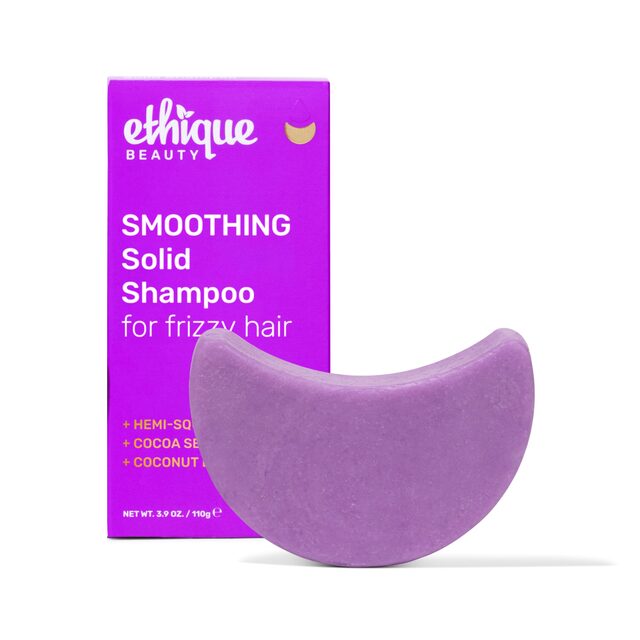
Ethique Frizz Wrangler Shampoo Bar
The zero-plastic hair wash standard. B-Corp certified, compostable wrapping, concentrated formula replacing 2-3 liquid bottles. Lathers well, clean ingredient list. Starting point for a plastic-free bathroom.
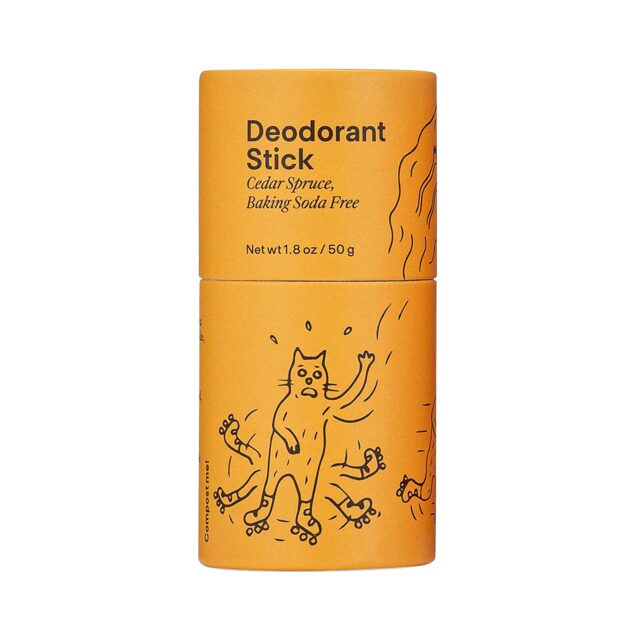
Meow Meow Tweet Baking Soda-Free Deodorant
Compostable cardboard tube. No plastic involved in the packaging chain. Baking-soda-free formula for sensitive underarm skin. Aluminum-free, fragrance-optional. The plastic-free deodorant that pairs with a zero-waste bathroom transition.
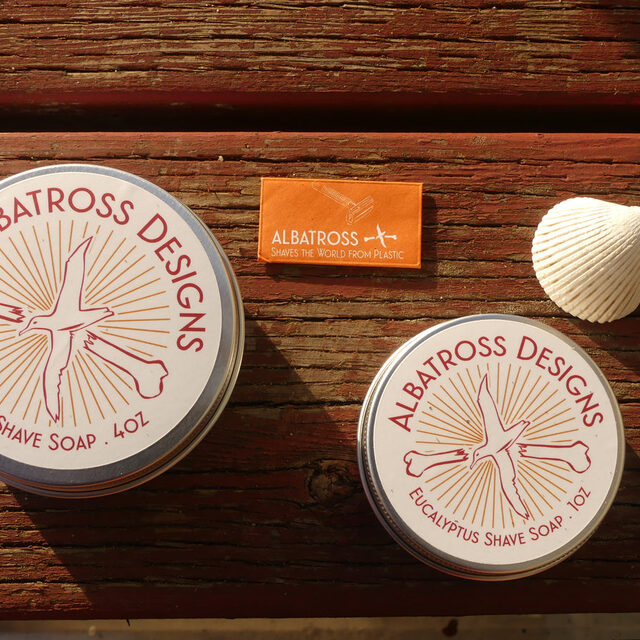
Albatross Shave Bar
Solid shave bar replacing shaving cream/gel cans—aerosol cans being one of the harder beauty packaging items to recycle. Albatross also makes a safety razor with replaceable (and recyclable) double-edge blades. A shave bar + safety razor setup eliminates all shaving plastic.
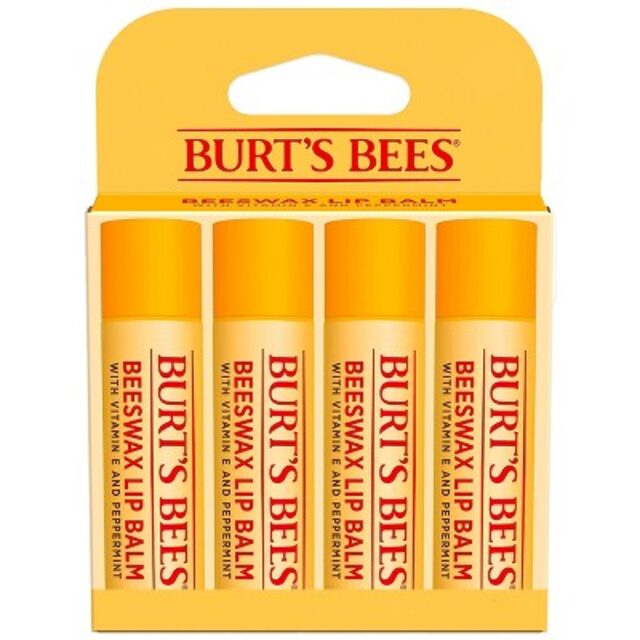
Burt's Bees Beeswax Lip Balm (Cardboard Tube)
The most accessible plastic-free lip product: paper/cardboard tube, beeswax formula, widely available. Not zero-waste in the composting sense (the tube is cardboard with waxy coating) but eliminates plastic. An easy first plastic-free swap for daily carry.
Frequently Asked Questions
Does a glass or aluminum bottle make a product plastic-free?
No. Pumps, caps, liners, labels, and refill packaging may contain plastic. Compare the complete package and the parts you can actually reuse or recycle.
Can compostable packaging go into any compost bin?
No. Home and industrial composting conditions differ, and collection programs decide which materials they accept. Follow the packaging instructions and local rules.
Should I replace all my beauty products at once?
Use up products you tolerate and replace them as needed. Start with a frequently emptied package and one alternative that fits your routine.