EWG Verified Sunscreens: Lotion and Stick Options Compared
Compare Babo and ATTITUDE sunscreens that display EWG Verified, with clear differences in water resistance, ingredients, packaging, and application.
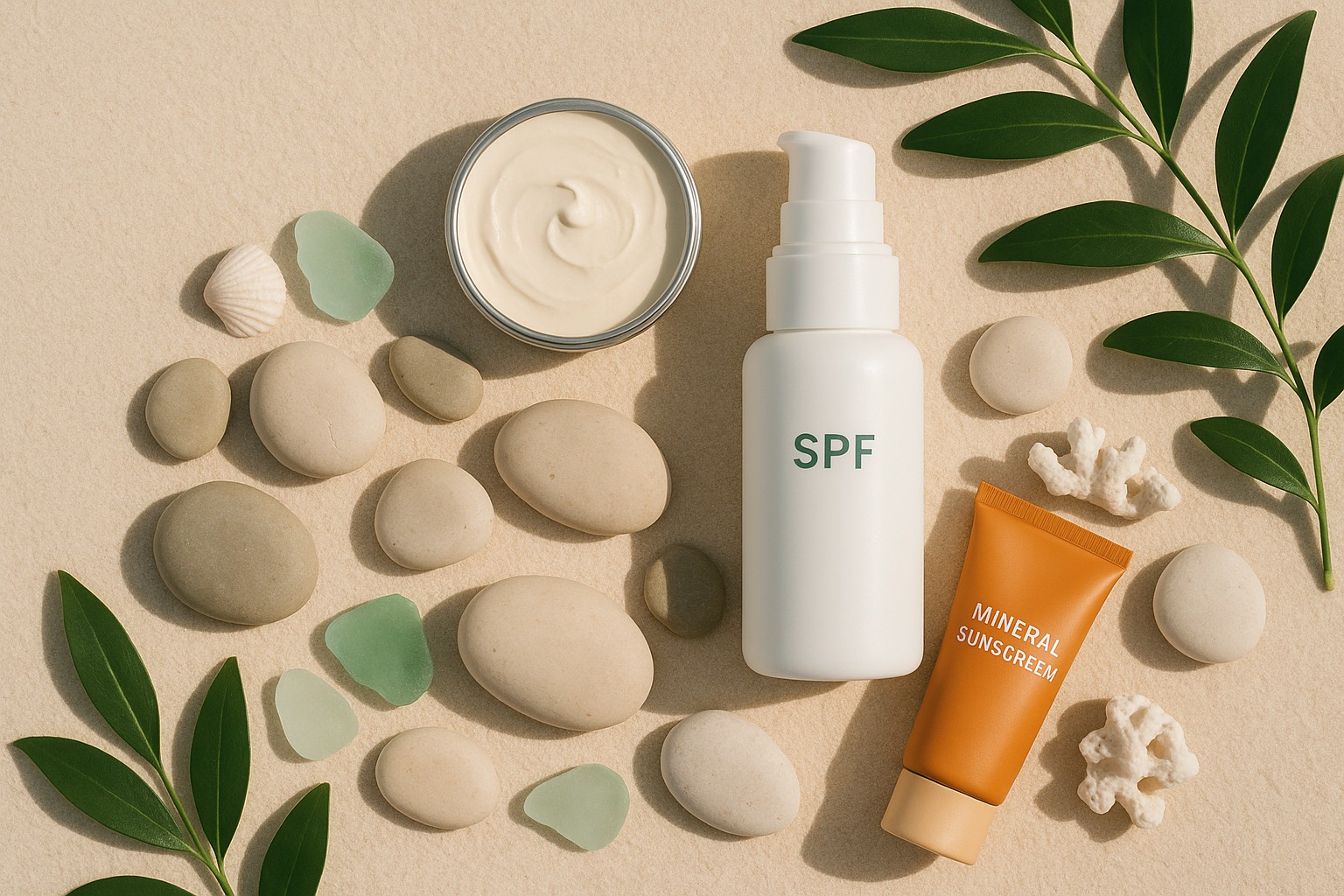
Featured Options Compared in This Guide
Full specs & notes ↓If you want an EWG Verified sunscreen for swimming, Babo Botanicals Sheer Zinc Mineral Sunscreen Lotion SPF30 is the most relevant of the options below: its manufacturer lists 80-minute water resistance. ATTITUDE’s SPF 30 lotion and stick display the same certification mark but are not water-resistant. The badge alone does not tell you whether a product fits a beach day.
For sun protection, the American Academy of Dermatology recommends broad-spectrum SPF 30 or higher, water resistance, shade, and protective clothing. Choose a formula you can apply generously and repeatedly. AAD sunscreen guidance.
What the mark does—and does not—tell you
Babo describes EWG Verified as a trademark licensing program with ingredient, disclosure, and product-efficacy requirements, distinct from a favorable score in EWG’s sunscreen database. That explanation and its displayed mark come from Babo’s product page; this comparison does not independently audit EWG’s certification records.
The products below display the mark on their current manufacturer pages. That does not mean they suit every allergy, disappear on every skin tone, or protect marine ecosystems without impact. Nor does the lack of a mark mean another sunscreen cannot protect your skin. An ingredient-screening program and the directions on a sunscreen label answer different questions.
Compare the actual formulas
| Exact product | Published active and format | Water resistance | Best reason to consider it |
|---|---|---|---|
| Babo Botanicals Sheer Zinc Mineral Sunscreen Lotion SPF30 | 16% zinc oxide; face and body lotion | 80 minutes | A lotion with a labeled swimming/sweating interval |
| ATTITUDE Sunly Mineral Sunscreen SPF 30, Unscented | 20% zinc oxide; body lotion | Not water-resistant | An unscented liquid format for use away from water and heavy sweating |
| ATTITUDE Sunly Mineral Sunscreen Stick SPF 30, Unscented | 20% zinc oxide; solid stick in a cardboard tube | Not water-resistant | A solid format for buyers prioritizing less plastic packaging |
The concentrations above come from the linked ingredient panels. A higher zinc percentage does not, by itself, establish a higher SPF or better real-world protection: the labeled SPF concerns the finished formulation.
Babo: the swimming option in this comparison
The Sheer Zinc SPF30 page lists broad-spectrum protection, fragrance-free formulation, and 80-minute water resistance. Its inactive ingredients include sunflower oil, shea butter, and multiple botanical extracts. Fragrance-free does not mean botanical-free, so someone with a known chamomile or other ingredient allergy should still review the full panel.
Babo also provides a useful packaging caveat: its mono-material polypropylene tubes are not yet widely recyclable. That is more practical information than simply treating any tube as recyclable because of its resin.
ATTITUDE: distinguish the lotion from the stick
The SPF 30 lotion is an unscented water-based formula. The SPF 30 stick uses oils and waxes and comes in a cardboard tube. Both pages display EWG Verified, list broad-spectrum protection, and direct application 15 minutes before sun exposure.
ATTITUDE’s FAQ explicitly says these SPF 30 options are not water-resistant. Choose a labeled water-resistant product for swimming or sweating. A stick also requires careful coverage: a quick swipe over the nose is not the same as evenly protecting every exposed area. Do not use less product to avoid visible residue.
Application matters more than a shopping badge
Apply sunscreen to dry skin about 15 minutes before going outdoors. Most adults need roughly an ounce to cover exposed body skin, with the actual amount depending on body size and clothing coverage. Reapply at least every two hours outdoors, after the labeled swimming or sweating interval, and immediately after towel drying. Higher SPF does not extend that interval. AAD, FDA label and application guidance.
For infants younger than six months, prioritize shade and appropriate clothing and ask a clinician about sunscreen use. “Baby,” “mineral,” and “verified” are not blanket permission to apply any formula at any age.
If white cast makes you reluctant to use enough, look for a tint that matches your skin or another broad-spectrum formula you tolerate. Mineral filters absorb UV as well as reflecting some; a chemical or hybrid formula can also protect effectively. Avoid diluting sunscreen with face oil or foundation.
For travel near coral reefs, see the separate reef-conscious sunscreen guide. For reducing package waste, see plastic-free beauty options.
Sources
Products Compared in This Guide
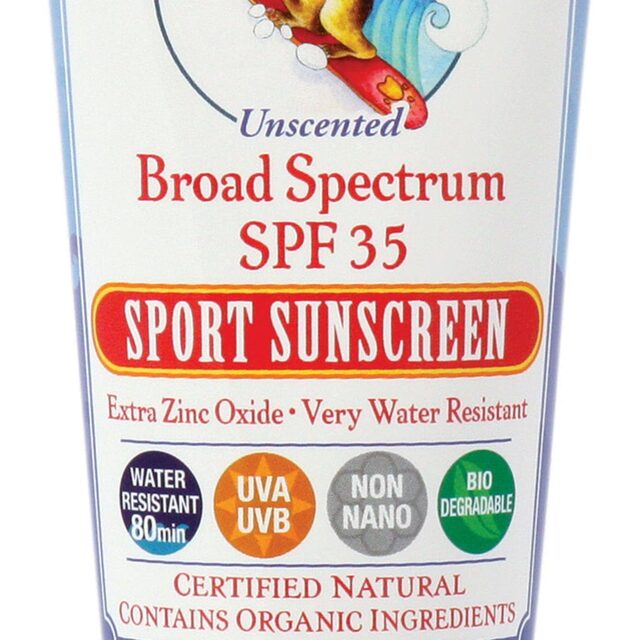
Badger Sport SPF 35 Mineral Sunscreen
EWG's top overall recommendation for multiple consecutive years. Zinc oxide only, water-resistant to 80 minutes, reef-safe. The white cast is noticeable on darker skin tones but acceptable for outdoor use. The pump bottle is practical for active use.
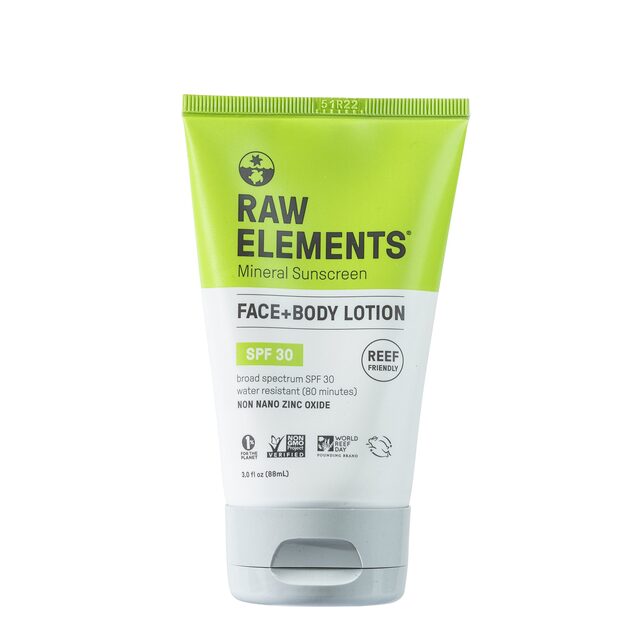
Raw Elements Face + Body SPF 30
Zinc oxide, certified natural, EWG Verified, water-resistant 80 minutes. The tin packaging means no plastic at all. Goes on more smoothly than its zinc content suggests. Doubles effectively as face and body, which reduces the number of products you carry.
Goddess Garden Organics SPF 50 Tinted
Tinted mineral SPF that reduces white cast significantly for light to medium skin tones. Certified organic, EWG Verified, biodegradable formula. The SPF 50 tinted version works well as a tinted moisturizer for casual wear.
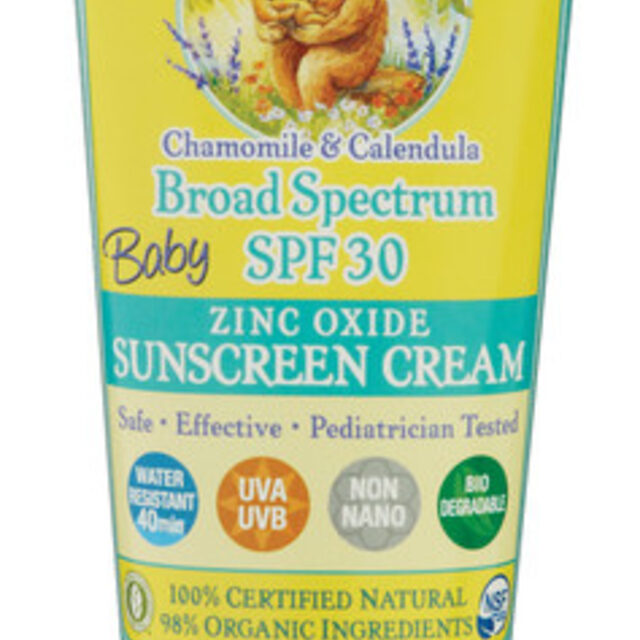
Badger Baby SPF 30 Mineral Sunscreen
Badger's baby formula uses just four ingredients: sunflower oil, beeswax, zinc oxide, and Vitamin E. EWG top-rated for baby sunscreens. Safe for infants 6 months and older. No fragrance, no phenoxyethanol, no preservatives.
Frequently Asked Questions
Is a low EWG score the same as EWG Verified?
No. A favorable database rating and participation in the EWG Verified licensing program are different. Look for the mark on the exact product, not a claim that an entire brand has a good score.
Which option here is suitable for swimming?
Babo Sheer Zinc Mineral Sunscreen Lotion SPF30 lists 80-minute water resistance. ATTITUDE's SPF 30 lotion and stick are not water-resistant according to its current FAQ. Follow the directions on the package, including reapplication after towel drying.
Do mineral sunscreens only reflect sunlight?
No. Mineral sunscreens absorb UV as well as reflecting some of it. Chemical, mineral, and hybrid sunscreens can all provide effective protection when properly formulated and used.