Choosing Deodorant: Odor Control, Sensitive Skin, and Packaging
Choose between deodorant and antiperspirant, compare Meow Meow Tweet and Kosas formulas, and handle irritation without a supposed detox period.
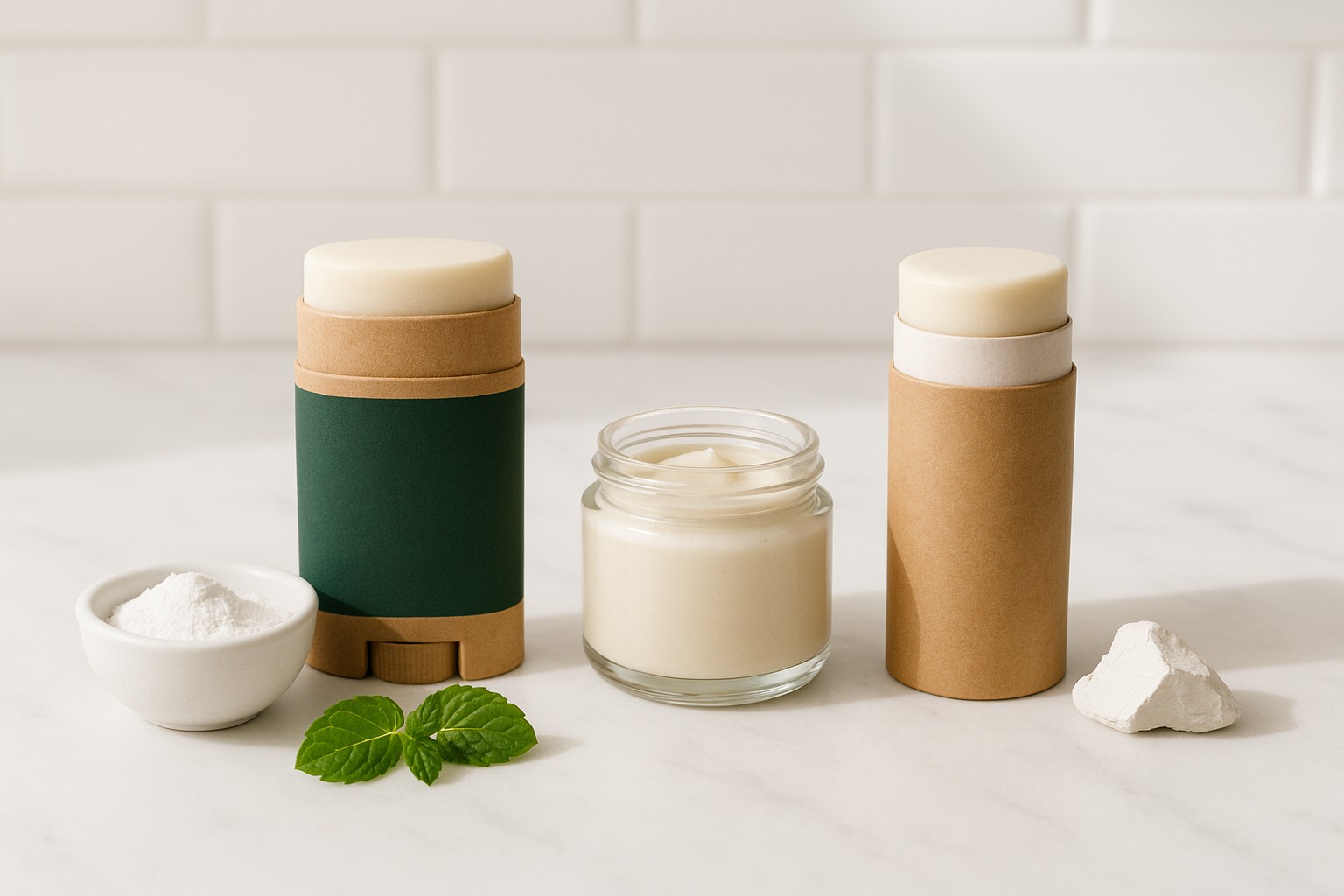
Featured Options Compared in This Guide
Full specs & notes ↓Choose antiperspirant if your priority is reducing wetness; choose deodorant if you mainly want odor control. An aluminum-free deodorant can be a preference, but switching is not a required health upgrade. For a baking-soda-free option with no essential oils, compare Meow Meow Tweet’s Unscented Deodorant Cream. If you prefer a roll-on acid formula, compare Kosas Chemistry and pay attention to the selected fragrance variant.
First, decide what problem you are solving
Aluminum compounds in antiperspirants temporarily block sweat ducts to reduce the flow of sweat to the surface. Deodorants work on odor and do not provide the same wetness control. The National Cancer Institute reports no scientific evidence linking the use of antiperspirants or deodorants to breast cancer. NCI evidence summary.
If an antiperspirant suits your skin and keeps clothing comfortable, “non-toxic” marketing is not a reason to discard it. If fragrance or a particular formula irritates you, target that problem rather than assuming all conventional products share it.
Two distinctly different deodorant formats
Meow Meow Tweet Unscented Baking Soda Free Deodorant Cream
The current product is a cream in a refillable metal tin, with a paper sleeve. The ingredient panel lists arrowroot powder, magnesium hydroxide, coconut oil, shea butter, and jojoba oil. It is essential-oil-free; the manufacturer notes that the ingredients can still have a mild coconut-like smell. Current formula, packaging, and directions.
This is worth comparing if you want to avoid both baking soda and added essential oils and do not mind applying a cream with your fingers. The directions specify a pea-sized amount for each underarm and warn against use on broken skin. Use clean hands, close the tin, and stop if irritation occurs.
The practical compromise is the application format. A tin is less convenient than a swipe-on stick for some people. It also contains oils and butters, so apply sparingly and let it settle before dressing. The formula is not an antiperspirant, and a short ingredient list cannot guarantee tolerance.
Kosas Chemistry AHA Serum Deodorant
Kosas lists mandelic, lactic, and shikimic acids in Chemistry’s formula. The brand describes an acid-based approach to odor control and offers a roll-on applicator. It states that the product has no aluminum or baking soda. Kosas Chemistry product page.
Compare it if you prefer a liquid roll-on to a waxy stick or cream. The page offers Serene Clean, Beachy Clean, and Fragrance Free variants; the default Serene Clean ingredient panel includes aromatic oils and fragrance components. Select the intended variant rather than assuming every Chemistry product is fragrance-free.
Kosas describes Chemistry as exfoliating as well as deodorizing. Introduce it without a separate underarm acid treatment so you can judge tolerance, and stop if it causes irritation. The ingredient mechanism does not establish that it will control your odor longer than another product or permanently change your skin microbiome.
| Need | More useful choice |
|---|---|
| Less sweat reaching clothing | A labeled antiperspirant |
| Baking-soda-free cream with no essential oils | Meow Meow Tweet Unscented Cream |
| Liquid roll-on instead of cream | Kosas Chemistry, with the fragrance variant checked |
| Recurrent rash with several products | Stop experimenting and discuss the reaction with a dermatologist |
Switching without a detox story
When you stop an antiperspirant, its sweat-reduction function is no longer part of your routine. More noticeable wetness does not establish that your body is clearing toxins, and there is no reason to promise that a four-week wait will solve odor or irritation.
Try a new product on ordinary days before relying on it for an important event. Follow its amount and application directions. Clean and dry the underarm area, let the product settle, and change damp clothing when practical. If odor control is inadequate, the formula may simply not fit your needs.
A burning, itchy, or persistent rash is a reason to stop. Do not assume baking soda is always responsible: fragrance, preservatives, and other ingredients can also be involved. The AAD recommends testing new skincare on a small area for seven to ten days, stopping products that cause reactions, and seeking dermatology advice when the cause is unclear.
For packaging choices beyond deodorant, see plastic-free beauty swaps. For facial care with similar fragrance concerns, see vegan skincare for sensitive skin.
Sources
Products Compared in This Guide
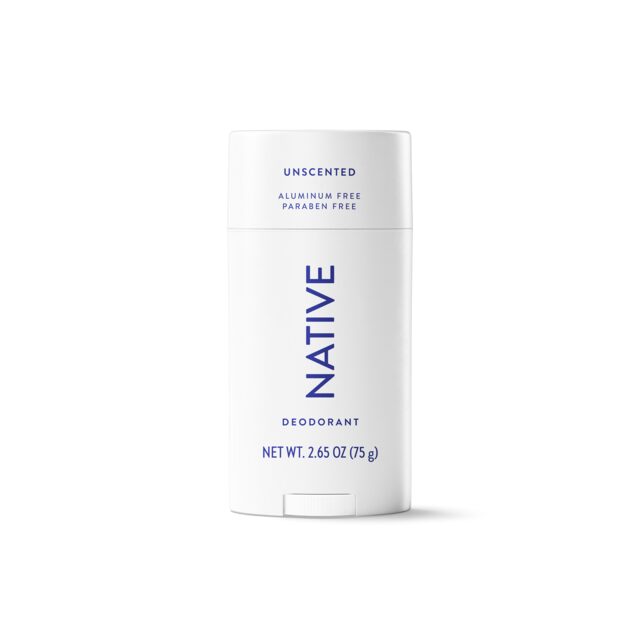
Native Deodorant Sensitive (Unscented)
Magnesium hydroxide instead of baking soda—the key difference in the Sensitive line. Controls odor without the baking-soda rash that about 30% of natural deodorant users experience. Aluminum-free, paraben-free, no synthetic fragrance. Widely available at Target, Walmart, and CVS—the most accessible clean deodorant on this list.
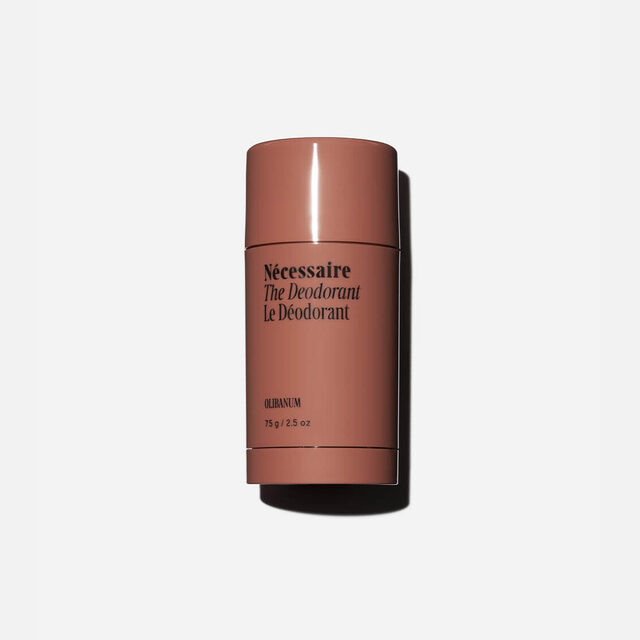
Necessaire The Deodorant
Niacinamide-based odor control with AHA exfoliation to prevent underarm darkening. Aluminum-free, fragrance-free, dermatologist-tested. Packaged in 100% recycled materials. One of the most effective clean deodorants for moderate activity, particularly for those who've had baking soda reactions elsewhere.
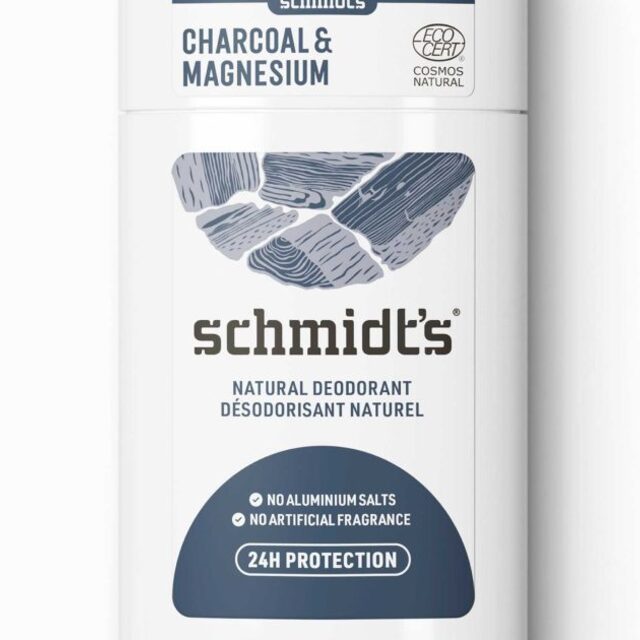
Schmidt's Natural Deodorant (Charcoal + Magnesium)
Activated charcoal to absorb odor-causing compounds. Magnesium-based (not baking soda). Aluminum-free, cruelty-free, widely available. The charcoal version works well for higher-activity days when the standard Schmidt's isn't cutting it.
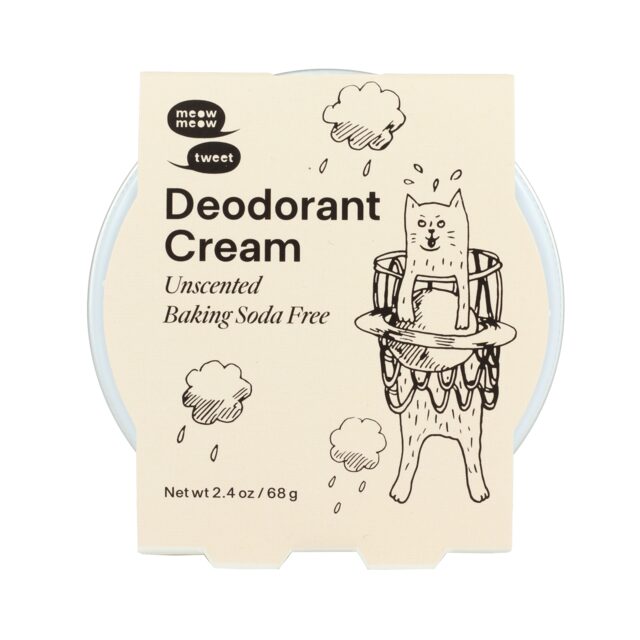
Meow Meow Tweet Baking Soda-Free Deodorant Cream
Arrowroot powder + kaolin clay for odor absorption, no baking soda, no aluminum. Packaged in compostable cardboard tube. Independently owned small brand making some of the most thoughtfully packaged clean deodorant available. The cream-to-solid formula takes 30 seconds to apply but feels more like skincare than a conventional stick.
Frequently Asked Questions
Do I need to stop using aluminum antiperspirant?
The National Cancer Institute reports no scientific evidence linking antiperspirant or deodorant use with breast cancer. Choose based on whether you need sweat reduction, odor control, and a formula your skin tolerates.
Should I wait through a deodorant detox rash?
No. A rash is not evidence of detoxification. Stop the product and seek advice if symptoms are severe, persistent, or recurrent. Baking soda, fragrance, and other ingredients may be relevant; the cause cannot be diagnosed from the word natural.
Will aluminum-free deodorant stop sweating?
A deodorant addresses odor. It does not provide the sweat-reduction function of an antiperspirant. Choose a labeled antiperspirant if controlling wetness is the goal.