Vegan Skincare for Sensitive Skin: A Simple Starting Routine
Choose vegan skincare by formula and tolerance, with a fragrance-free cleanser candidate, a ceramide serum, and guidance for introducing products.
Featured Options Compared in This Guide
Full specs & notes ↓Start with a cleanser, moisturizer, and sunscreen your skin tolerates; treat vegan status and fragrance avoidance as separate requirements. The Ordinary Glucoside Foaming Cleanser is a vegan cleanser candidate with no fragrance/parfum or essential oils on its published ingredient list. Cocokind Ceramide Barrier Serum is an optional moisturizing step, not a necessary fourth product for everyone.
A formula made without animal-derived ingredients can still include allergens or irritating actives. Conversely, a synthetic ingredient is not automatically unsuitable for sensitive skin. An ingredient’s source does not determine its safety, as the FDA explains.
A cleanser to compare: The Ordinary Glucoside Foaming Cleanser
The Ordinary identifies this cleanser as vegan and lists a pH range of 5.0–6.0. Its ingredient panel contains water, decyl glucoside, coco glucoside, xanthan gum, tocopherol, phytic acid, benzyl alcohol, and ethylhexylglycerin. There is no fragrance/parfum or essential oil listed. Current US product page.
This is a candidate for someone who wants a foaming gel rather than a balm or rich cream cleanser. Apply to wet skin and rinse according to the directions. A short list and the absence of added fragrance do not make a cleanser allergy-proof: avoid it if you already know you react to a listed ingredient. If foaming washes leave your skin uncomfortable, keep a tolerated cleanser instead of forcing the format.
For fragrance avoidance: Youth to the People describes its Superfood Cleanser as having a fresh herbaceous scent. Do not infer fragrance-free status from its vegan designation; use an explicit fragrance-free statement and the complete ingredient panel when that is your requirement. Youth to the People product description.
Optional serum: Cocokind Ceramide Barrier Serum
Cocokind confirms that Ceramide Barrier Serum is vegan. The current ingredient panel lists five ceramides, glycerin, beta-glucan, jojoba oil, and squalane, without fragrance/parfum. It also discloses a reformulation that removed banana extract and lactic acid. Compare your package with the current panel if you have used an older bottle. Current formula, manufacturer vegan-status explanation.
Use it as an optional layer under moisturizer if you want additional moisturizing support. Do not rely on a “barrier” label to treat an undiagnosed rash, and do not assume a serum will replace a cream that already works. The full formula includes preservatives; they are not grounds for calling the product unsuitable without considering the actual ingredient and your own allergy history.
Oil is an option, not a complete routine
Biossance 100% Squalane Oil has one listed ingredient, which the brand identifies as sugarcane-derived and vegan. It can add an emollient step after moisturizer for people who like an oil finish. It does not substitute for cleansing or sunscreen, and it is distinct from the brand’s rose-containing oil blends. Biossance product details.
For your main moisturizer, choose a product explicitly identified as vegan, without your known triggers, in a cream or lotion texture you tolerate. There is no requirement to replace a successful moisturizer merely because a serum or oil has a more appealing ingredient story.
Sunscreen still belongs in the morning routine
Babo Botanicals Sheer Zinc Mineral Sunscreen Lotion SPF30 is one manufacturer-described vegan, fragrance-free option with broad-spectrum protection and 80-minute water resistance. It also contains botanical extracts, so it is not suitable for everyone with plant allergies. Babo ingredient panel.
The AAD recommends broad-spectrum SPF 30 or higher and water resistance. Use an adequate amount and reapply as directed; sensitivity concerns should lead to finding a tolerable sunscreen, not leaving exposed skin unprotected. AAD sunscreen guidance.
Introduce products without creating a guessing game
Keep the rest of the routine stable when trying something new. Avoid starting a cleanser, an acid serum, and a retinoid at the same time: if your skin reacts, you will have little information about which change mattered.
The AAD recommends applying a new skincare product to a small test area twice daily for seven to ten days. Use the amount you would normally use, and rinse off a cleanser as its directions require. If a reaction develops, wash it off and stop using it. Severe or persistent reactions, or repeated unexplained rashes, warrant dermatology advice; medical patch testing can help identify an allergy. AAD testing guidance.
Keep exfoliating products optional while you establish a comfortable routine. For what different additions can actually do, see serums and face oils compared.
Sources
Products Compared in This Guide
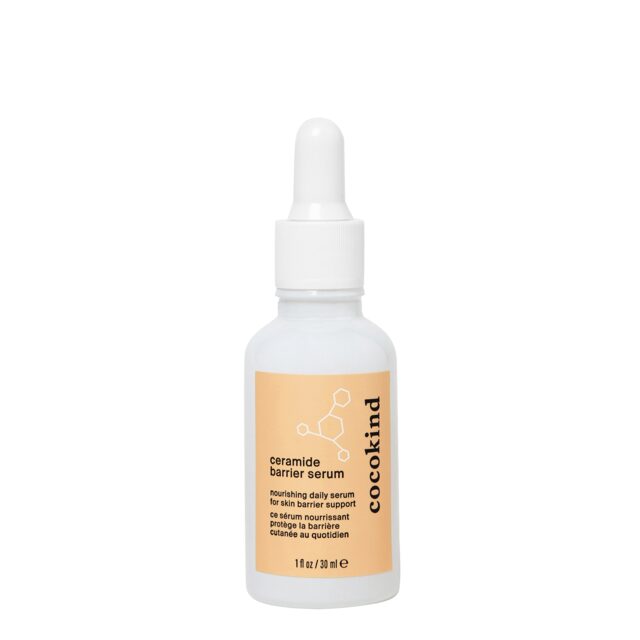
Cocokind Ceramide Barrier Serum
Plant-derived ceramides to reinforce the skin barrier without animal ingredients. Fragrance-free, vegan, clean ingredient standard. Cocokind publishes its full ingredient environmental impact data. For sensitized skin that needs barrier support without irritation risk, this is the cleanest affordable option.
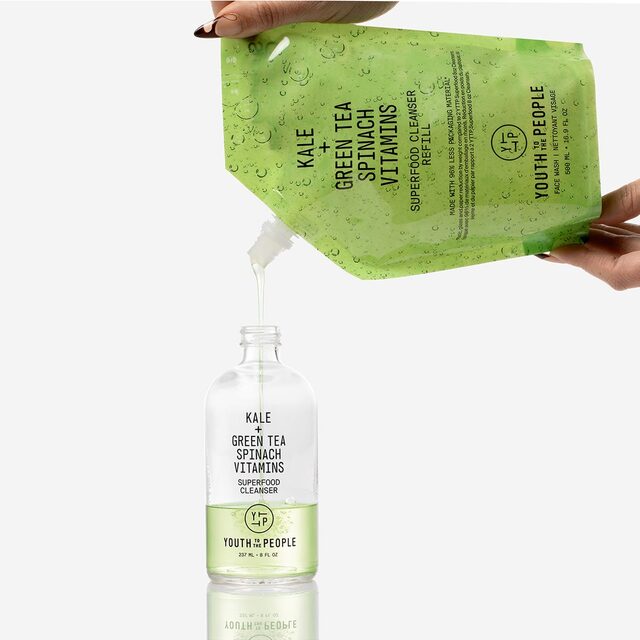
Youth to the People Superfood Cleanser
Vegan, fragrance-free gel cleanser with kale, spinach, and green tea. Meets Credo Clean Standard. Removes makeup and SPF without stripping. The pH-balanced formula doesn't disrupt the skin barrier the way many foaming cleansers do. One of the few clean gel cleansers appropriate for daily use on sensitive skin.
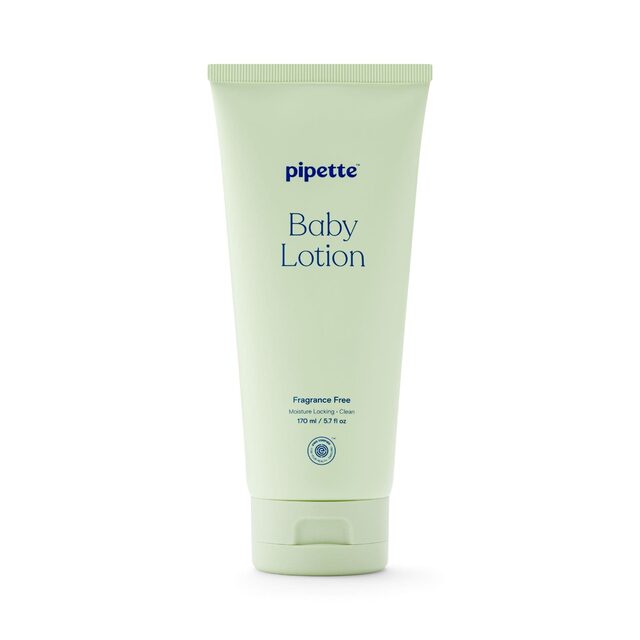
Pipette Baby Lotion (Sensitive Skin)
Formulated for infants but ideal for adults with sensitive skin: no fragrance, EWG Verified, hypoallergenic, and plant-derived squalane as the primary moisturizer. At $12 for a 6 oz bottle, it's one of the most affordable EWG-verified moisturizers available.
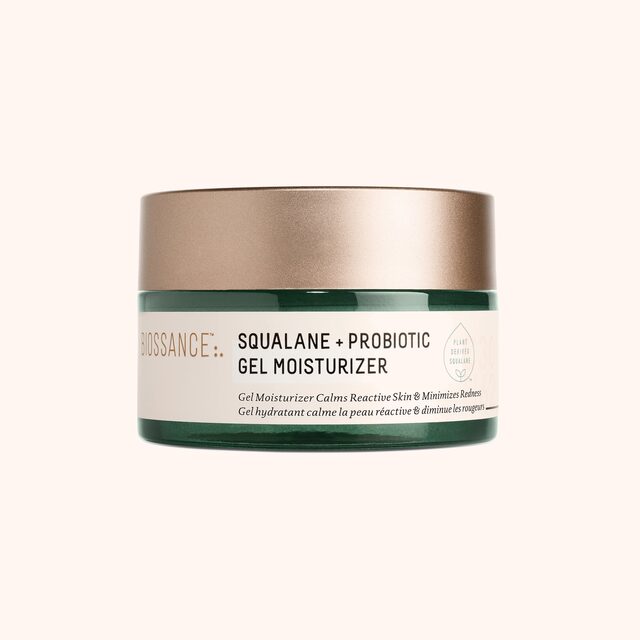
Biossance Squalane + Probiotic Gel Moisturizer
Sugarcane-derived squalane (vegan, unlike shark-liver squalene) in a lightweight gel formula. The probiotic complex supports skin microbiome balance—useful for reactive skin prone to redness and inflammation. Fragrance-free, vegan, clean ingredient standard from a certified B-Corp brand.
Frequently Asked Questions
Is vegan skincare automatically suitable for sensitive skin?
No. Vegan status concerns animal-derived ingredients; fragrance and individual allergens are separate issues. Select the exact formula for your needs and introduce it gradually.
Should I choose Youth to the People Superfood Cleanser for fragrance avoidance?
The manufacturer describes a herbaceous scent. Its vegan designation alone does not establish fragrance-free status; choose using an explicit fragrance-free statement and the complete ingredient panel.
How should I test a new skincare product?
The AAD recommends applying a normal amount to a small test area twice daily for seven to ten days. Follow rinse-off directions for cleansers. Stop if a reaction develops; medical patch testing is a different procedure used to investigate allergies.