Are Refillable Cosmetics Worth It? Costs, Compatibility and Waste
Compare refillable makeup and skincare by unit cost, refill availability, container compatibility and hygiene before buying a starter case.
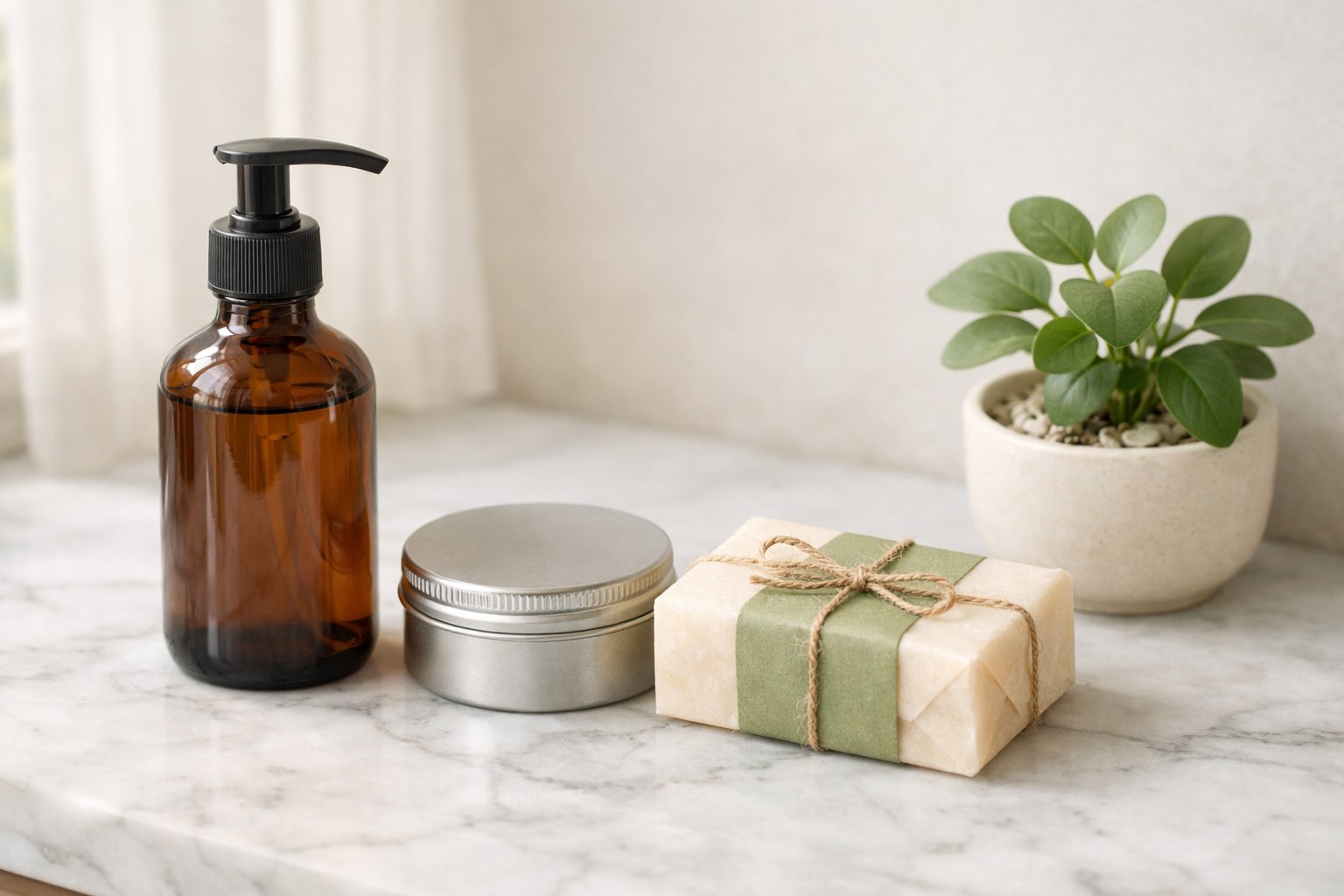
Featured Options Compared in This Guide
Full specs & notes ↓Refillable cosmetics are worth considering when you already like the formula, can buy the correct refill, and will reuse the case enough to justify its cost. Start with a product you regularly finish. An expensive refillable compact that stays in a drawer offers little practical advantage over the makeup you already own.
Makeup pans, skincare pods and pour-in refills solve different problems. Their packaging cannot be ranked by appearance alone: a paper-wrapped pan still creates waste, and glass containers can still include pumps, caps and delivery packaging.
Choose a refill system you can actually keep using
| System | Useful fit | What to check before buying |
|---|---|---|
| Replaceable makeup pan | You repeatedly finish the same blush or foundation | Exact pan and case compatibility; availability of your shade |
| Sealed skincare pod | You want to keep the outer jar without transferring cream | Whether the pod fits your jar generation; whether the lid is reusable |
| Pour-in cleanser refill | You already have the manufacturer’s compatible dispenser | Storage, refill instructions and how much you can use before the product expires |
Kjaer Weis Cream Blush is an example of a real pan system. Its product page distinguishes the metal Iconic Edition, paper-based Red Edition and Refill Only options. The refill replaces the inner pan while retaining the case. The brand describes the Red Edition case as usable two to three times, so do not budget for indefinite reuse of that paper case. That makes the system a candidate for someone who already uses the blush; it does not establish that switching from a less expensive blush will save money. Kjaer Weis Cream Blush packaging options and refill instructions.
Honest Hydrogel Cream illustrates a pod system: the manufacturer lists a 50 mL standard jar and a 50 mL refill pod. Confirm that a retailer actually has the compatible refill before committing to the jar. A variant shown on a website is not a promise of future stock. See the Hydrogel Cream product page and our Honest Beauty comparison.
Calculate the cost at equal quantities
Write down the full price you would actually pay, including delivery. Compare the same amount of finished product; a small refill can cost less at checkout and more per gram.
For a system with equal-size full packs and refills:
- Keep buying full packs: number of packs × delivered full-pack price.
- Switch to refills: starter price + number of later refills × delivered refill price.
- Savings: the first total minus the second.
The starter price must include the first product fill. If the case is sold empty, add a refill to that initial purchase. If the refill and full pack differ in size, first divide each price by its net grams or milliliters and compare an equal quantity. Do not compare fluid ounces with weight ounces.
There is no universal annual savings figure. You may finish cleanser several times before finishing one blush. Use your own empty containers or purchase history to estimate consumption; do not assume every product needs replacing monthly. A subscription discount only helps when its delivery schedule matches your usage.
Count the waste that remains
Record what you retain and what each refill discards: pan, pod, pouch, cap, carton and delivery packaging. Ask whether a packaging-reduction claim compares equal quantities and includes all components. A claim about using less plastic is narrower than a claim about lower total environmental impact.
The FTC’s environmental guidance distinguishes refillability from recyclability and cautions against broad environmental claims. A real refill mechanism matters; recycling also depends on accessible facilities. Check your local program for the specific component rather than assuming a refill pouch or tiny metal pan belongs in the curbside bin. FTC Green Guides summary.
A practical purchase decision is to buy the smallest quantity that establishes formula and shade fit, then refill it if it works. Buying multiple colors to reach a free-shipping threshold can erase the spending benefit you were seeking.
Refill without improvising the formula
Follow the manufacturer’s directions for the exact system. Keep a replacement pod sealed until installation; do not scoop it into a different jar merely to make it fit. For pour-in products, use the specified dispenser and cleaning procedure, keep the refill opening clean, and retain the lot, opening and expiry information.
Do not add water to ordinary cosmetics to stretch them or turn them into a supposed concentrate. FDA warns that added water can introduce microorganisms and weaken preservation. Keep hands and containers clean and follow storage directions. FDA microbiological safety guidance.
Sunscreen and eye makeup deserve their own labeled packaging and handling instructions. A refill label on a face cream does not justify refilling mascara, diluting sunscreen or mixing old and new formulas.
Start with one empty container
Before ordering, answer four questions: Do I like this exact formula? Does the refill fit? Is its delivered unit price worthwhile? Can I obtain and use it before it goes out of date? If any answer is no, continue with a product that works while you compare alternatives. The clean beauty guide can help separate useful changes from unnecessary replacement purchases.
Sources
Products Compared in This Guide
Are Refillable Cosmetics Worth It? Costs, Compatibility and Waste — Top-Spec Options
Compare current model specifications, material disclosures, and third-party certifications for refillable cosmetics i saved 143 dollars cutting 12 bottles.
Certified Refillable Cosmetics I Saved 143 Dollars Cutting 12 Bottles Alternatives
Check verified certification scope, replacement parts, and packaging details across clean beauty listings.