EWG A-Rated Cleaners: How to Choose Beyond the Letter Grade
Shopping for EWG A-rated cleaners? Match the exact product, compare cleaning tasks, and distinguish rating claims from EWG Verified and Safer Choice.
Featured Options Compared in This Guide
Full specs & notes ↓When shopping for EWG A-rated cleaners, match the exact product first, then choose the format that fits the job. A sink cleanser, hand dish liquid, and window spray have distinct uses. Their preparation steps and surface restrictions deserve as much attention as the rating you are seeking.
The products below illustrate those practical differences; they are not recommendations based on a confirmed current A rating.
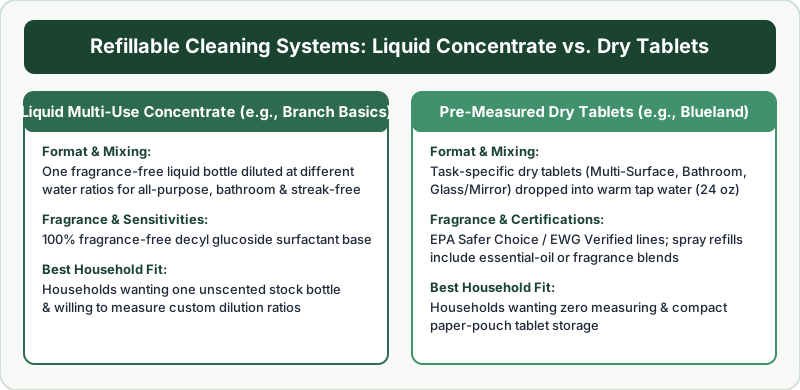
Keep rating claims and EWG Verified status separate
EWG’s Guide to Healthy Cleaning offers product and ingredient searches, cleaning categories, information about ratings, and a separate EWG Verified section. EWG describes Verified products as meeting its standards for health and transparency, with review by its scientific team.
When a shopping listing advertises an A rating, look for the corresponding product entry. Read the rating and any Verified status separately rather than inferring one from the other. Keep that comparison specific to the named product: a brand name alone is too broad a basis for choosing among dish liquids, powders, and refill tablets.
A useful purchasing sequence is:
- Choose the cleaning category. EWG separates hand dishwashing, dishwasher detergents, glass cleaners, and tub/tile/sink cleaners, among other categories.
- Match the full name, scent, and format. Compare the entry with the bottle or refill you intend to buy.
- Compare ingredient disclosures. If the lists differ, the rating-to-formula match remains unresolved. Do not assume the difference proves a reformulation or an outdated entry.
- Read the preparation and surface directions. Use those instructions to decide whether the product belongs in your cleaning routine.
If you cannot find a matching entry, leave the rating unresolved rather than borrowing one from a similarly named product.
Three cleaning jobs, three different choices
Bon Ami Powder Cleanser: scrubbing compatible kitchen and bathroom surfaces
Bon Ami lists limestone, feldspar, sodium carbonate, sodium bicarbonate, and C10–C16 alkylbenzene sulfonic acid, a surfactant. The manufacturer identifies limestone and feldspar as abrasives. This makes the powder a candidate when you need a scrubbing cleanser and your fixture or cookware care instructions permit that format. Product ingredients.
For the hard kitchen and bathroom surfaces it specifies, Bon Ami directs users to wet the surface, add powder, rub with a wet sponge or cloth, and rinse. For delicate, polished, or glossy surfaces, its directions call for an inconspicuous test, powder applied to a wet sponge, plenty of water, and gentle rubbing. Bon Ami use instructions.
Choose by surface permission, not the mineral ingredient names. If your surface care guide excludes abrasive powders, choose another format. Bon Ami’s own instructions page also says windows and floors need a nonabrasive cleaner, so this powder should not become the default for every room.
Seventh Generation Free & Clear dish liquid: hand-washing dishes without fragrance or dyes
Seventh Generation describes this dish liquid as containing no fragrances or dyes. Its disclosed cleaning agents include sodium lauryl sulfate, lauramine oxide, and decyl glucoside; the list also includes the preservatives benzisothiazolinone and methylisothiazolinone. Manufacturer ingredients and directions.
Choose it for hand dishwashing when avoiding fragrance is a purchasing priority. If you already avoid a particular ingredient, compare that ingredient with the full disclosure rather than relying on the Free & Clear name alone.
The manufacturer explicitly excludes automatic dishwasher use. For machine washing, select a dishwasher detergent instead. Neither the formula nor a rating associated with this hand liquid should be transferred to another Seventh Generation product.
For more on choosing among dishwashing formats, see the dish-soap guide.
Blueland Glass + Mirror: a refill tablet for windows and mirrors
Blueland identifies Glass + Mirror for glass, mirrors, and windows. Its spray instructions specify one tablet dissolved fully in 24 ounces of warm water when using your own bottle, with the nozzle attached after dissolution. Blueland spray directions.
Choose it if a dedicated glass spray and a mixing step fit your routine. The instructions allow an existing bottle of suitable capacity; buying the brand’s bottle is not required by those directions. Follow the stated water amount rather than making a stronger mixture on the assumption that it will clean better.
Blueland describes Glass + Mirror as free and clear. Its fragrance FAQ lists the Multi-Surface and Bathroom sprays as available only in scented options. If you want unscented glass cleaning, select that refill specifically rather than assuming every spray in a kit shares its fragrance profile. Blueland fragrance options.
The tablets also have different intended surfaces: Blueland identifies its Bathroom cleaner for tubs, sealed tile, sealed stone, and shower surfaces, while Glass + Mirror has its own glass-focused use. Choose the tablet by its named task.
Where Safer Choice helps the comparison
EPA Safer Choice offers another set of criteria to consider. EPA explains that it evaluates ingredients within functional groups, such as surfactants and solvents, using relevant human-health and environmental characteristics. The program also sets product requirements. EPA Safer Choice standard and criteria.
For scent avoidance, there is a useful distinction: qualifying products can receive an additional EPA Fragrance-Free label after review confirms the absence of fragrance materials. EPA also excludes ingredients with dual functionality that includes fragrance from that designation. A manufacturer’s Free & Clear wording and EPA’s additional designation should therefore be read as separate claims.
Seventh Generation’s dish-liquid page states that its dish liquids are Safer Choice certified. That statement does not establish an EWG rating or the additional EPA Fragrance-Free designation for the bottle you select. Seventh Generation product page.
For a small cleaning cupboard, start with the tasks you actually have: hand dishwashing, compatible surfaces that need scrubbing, and glass cleaning. Add a product when it fills a specific need, with directions that suit the surface and ingredients that meet your preferences. The cleaning-label guide provides further help comparing label claims.
Where to browse
Prices and availability change. These search listings are a place to check the current product.
Sources
Products Compared in This Guide
Blueland cleaner tablet
Compare current manufacturer specifications, materials, and package options for Blueland cleaner tablet.
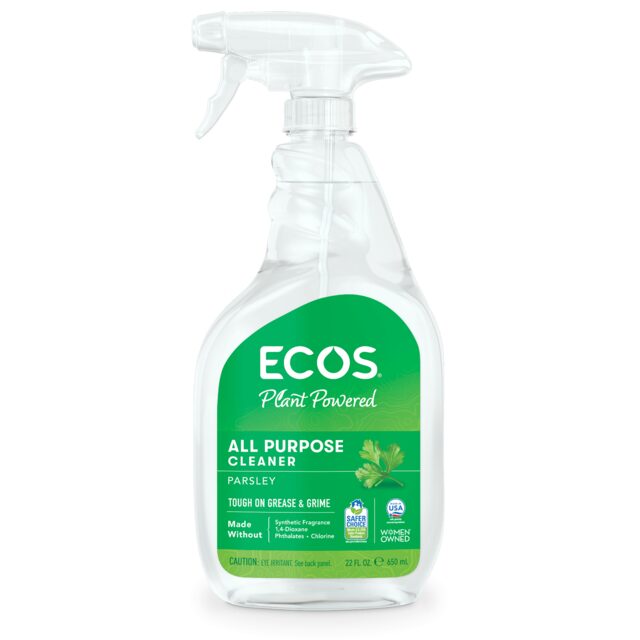
ECOS All-Purpose Cleaner
Plant-based, EWG-A, carbon-neutral certified. Handles daily countertop and appliance cleaning without fragrance concerns. One of the most accessible non-toxic sprays in regular grocery stores.
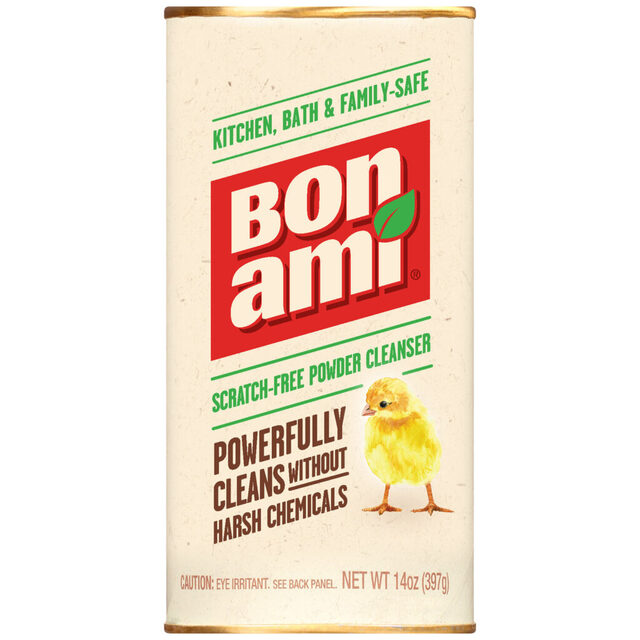
Bon Ami Powder Cleanser
Calcite abrasive, no chlorine, no synthetic fragrance. EWG-A rated. The workhorse for sinks, tubs, and tile. Remarkably effective given the simple formula.
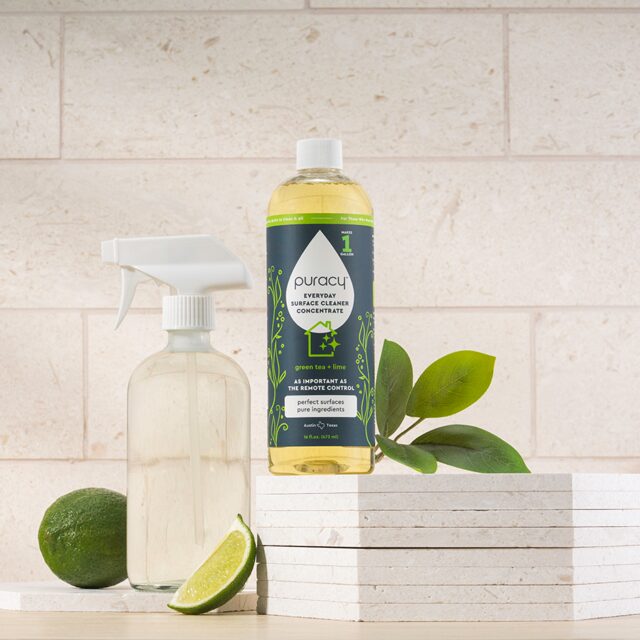
Puracy Natural Multi-Surface Cleaner
EWG-A, plant-based, fragrance from essential oils disclosed. Good performer on glass and sealed hard surfaces. Transparent about every ingredient.
Frequently Asked Questions
How should I compare an EWG A claim with EWG Verified?
Look up the exact product and read its rating and Verified status separately. EWG describes Verified products as meeting its standards for transparency and health; do not infer that status from an A-rating claim.
Which cleaner format fits scrubbing, dishes, or windows?
Bon Ami provides directions for abrasive cleaning on specified kitchen and bathroom surfaces. Seventh Generation Free & Clear dish liquid is for hand dishwashing, with automatic dishwasher use excluded. Blueland Glass + Mirror is intended for glass, mirrors, and windows.
What if the database and bottle list different ingredients?
The match between the rating and the bottle's formula remains unresolved. A disclosure difference alone does not establish why the lists differ or which formulation the rating describes.