Mulch for Container Gardens: Straw, Leaves, Coir, or Compost?
Compare straw, shredded leaves, coir, bark, and compost for outdoor pots. Choose by plant moisture needs, available space, and ease of care.
Featured Options Compared in This Guide
Full specs & notes ↓For a roomy outdoor vegetable pot that dries quickly, straw is a practical first option. Shredded leaves are worth considering when you already have a suitable supply. Coir is another container mulch option, while compost makes more sense when you also want a nutrient-bearing top-dressing. Leave slow-drying or crowded pots uncovered.
Mulch reduces evaporation, moderates the temperature at the growing surface, and limits splashing onto leaves. It does not remove the need to water: large plants in hot weather can still need frequent attention. University of Minnesota Extension recommends considering mulch for containers while emphasizing that most container plants need moisture without prolonged saturation. Minnesota Extension: container care.
Choose by the pot’s problem
Before choosing a material, feel the growing mix below the surface. A dry-looking top does not tell you whether the root zone needs water. Also check whether there is room below the rim for watering after adding a cover. Maryland Extension advises leaving space for water to collect briefly and soak into the mix. Maryland Extension: growing vegetables in containers.
| Material | When to consider it | What should decide against it |
|---|---|---|
| Straw | A large vegetable pot with exposed mix and room around established plants | It covers small plants or repeatedly escapes the pot in your location |
| Shredded leaves | You have leaves available and can maintain a loose, accessible cover | The layer obstructs watering or makes moisture checks difficult |
| Coconut coir | You want an alternative to straw and can obtain horticultural material in a manageable quantity | Salt processing is unclear, or the pot already stays wet |
| Bark | A larger ornamental pot where slow decomposition is useful | Pieces leave little working room around small plants |
| Finished compost | You want a surface amendment as well as a cover | You would be adding nutrients without accounting for existing compost and fertilizer |
| No mulch | A crowded, slow-drying pot or one needing an exposed surface for sowing | Exposed mix dries rapidly and watering becomes difficult to keep up with |
Minnesota Extension specifically includes straw and coir among container options. Maryland’s descriptions of shredded leaves and bark concern trees and shrubs; they help explain material properties, but their landscape application depths should not be treated as instructions for small pots. Container mulch options, landscape mulch materials.
Straw and shredded leaves: start with a manageable supply
For established tomatoes or peppers in broad containers, try a loose straw cover that leaves the plant base visible and a place to check the mix. Minnesota Extension suggests straw where containers are large enough. If it repeatedly scatters across your balcony, reconsider the material rather than continually adding more. Its usefulness depends on staying where you need it. Minnesota Extension.
Shredded leaves are an option when you have material on hand. Maryland Extension favors shredding leaves for landscape mulch and notes that they decompose relatively quickly. In a pot, inspect the cover after watering; loosen or reduce it if water cannot readily reach the mix. Replenish only when there is space and the pot still benefits from a cover. Maryland Extension: leaf mulch.
Grass clippings are another possible container cover, but their source matters. Do not use clippings from a lawn treated that season with herbicides or a combined fertilizer-herbicide product. Maryland also advises avoiding clippings containing weed seeds. Maryland Extension: grass clippings.
Coir: distinguish surface cover from growing medium
Coir comes from coconut husks and is processed into chips, fibers, or finer pith. UF/IFAS explains that processing can include washing to reduce soluble salts, particularly when husks have been soaked in saltwater. For a purchase, useful information includes the material’s form, whether it has been washed for horticultural use, and how much prepared material the package provides. Do not assume different coir products are interchangeable. UF/IFAS: coir processing.
Minnesota Extension lists coir as a possible surface mulch. That does not establish that it performs better than straw or leaves. Choose it when its form and quantity suit your pots, rather than assuming the coconut origin makes it the best environmental choice. Minnesota Extension: mulch options.
Keep surface mulching separate from changing the whole growing mix. Maryland notes that coir holds water better than compost when used as a growing-medium ingredient; that comparison does not establish how much water either material saves as a thin surface cover. Coir also does not replace a fertilizer program. Maryland Extension: growing media, UF/IFAS: substrate nutrition.
Compost: account for nutrients before topping up
Finished compost can be used in containers and as mulch. Look for material that has completed decomposition: EPA describes a crumbly, dark material with an earthy smell. Raw scraps, partially decomposed material, and food scraps processed only by grinding or dehydration are not finished compost. Keep those materials in an appropriate processing system instead of using them as a compost top-dressing. EPA: composting at home, EPA: what compost is.
A compost layer is also a nutrient addition. Minnesota Extension found substantial differences in nutrients, pH, and soluble salts among sampled compost sources, including products with similar origins. For repeated use, a supplier’s compost analysis is more informative than the word “compost”: look for nutrient levels, pH, and electrical conductivity, which indicates soluble salts. Minnesota Extension: compost testing.
For a pot already containing compost and fertilizer, avoid automatic monthly top-ups. Compost nutrients release slowly and may still be insufficient for a vegetable crop’s full season, so adding more compost is not a precise way to meet every feeding need. Worm castings also have variable nutrient concentrations; North Carolina’s analyzed vermicompost samples show ranges rather than a fixed composition. Maryland Extension: compost in containers, NC Agriculture: compost nutrient values.
Bark, wood chips, and gravel have different roles
Pine bark decomposes slowly, making it worth considering around a larger container-grown woody plant where frequent replacement would be inconvenient. Keep it away from the trunk. Maryland’s guidance supports bark around trees and shrubs; it does not establish bark as the preferred cover for vegetable pots. Maryland Extension: bark mulch.
Fresh arborist chips are a separate choice. Maryland permits them as a surface mulch around trees and shrubs but does not recommend them around annuals and vegetables. It also distinguishes surface use from working woody material into soil, where nitrogen depletion becomes a concern. For an annual vegetable container, straw is the more directly supported option. Maryland Extension: wood chips.
Stone can serve as a surface mulch in specialized rock or alpine plantings, but it is not a drainage repair. Adding gravel beneath the growing mix can worsen waterlogging and uses space otherwise available to roots. Address drainage holes and the growing mix itself when a vegetable pot remains saturated. Landscape stone mulch, container drainage.
Adjust the cover to the plant
Use a modest, loose covering that preserves watering space and leaves stems and emerging seedlings exposed. There is no need to fill all available headspace with mulch. Move a small section aside before watering and judge the mix beneath it; replenish according to the remaining cover and moisture conditions, not a calendar.
Herbs illustrate why this matters. Basil, mint, parsley, and cilantro need more consistent root moisture, while rosemary, thyme, oregano, and lavender prefer more drying between waterings. A cover that helps a thirsty basil pot may be unnecessary on a slow-drying rosemary pot. Maryland Extension: herbs and watering.
If fungus gnats appear, check for persistently wet mix and decaying debris before adding another surface treatment. UC IPM identifies excess moisture and organic debris as key management targets. Thin or remove a wet cover, address standing water, and allow surface drying consistent with the plant’s needs. Mulch alone is not evidence of an infestation, and wilting alone is not evidence that more water is needed. UC IPM: fungus gnats.
Sources
- University of Minnesota Extension: Fertilizing and watering container plants
- University of Maryland Extension: Mulching trees and shrubs
- University of Maryland Extension: Growing vegetables in containers and salad tables
- UF/IFAS: Vegetable production in solid media
- EPA: Composting at home
- EPA: Composting definitions and uses
- University of Minnesota Extension: Why you should test your compost
- North Carolina Department of Agriculture: Compost nutrient value
- UC Statewide IPM Program: Fungus gnats
Products Compared in This Guide
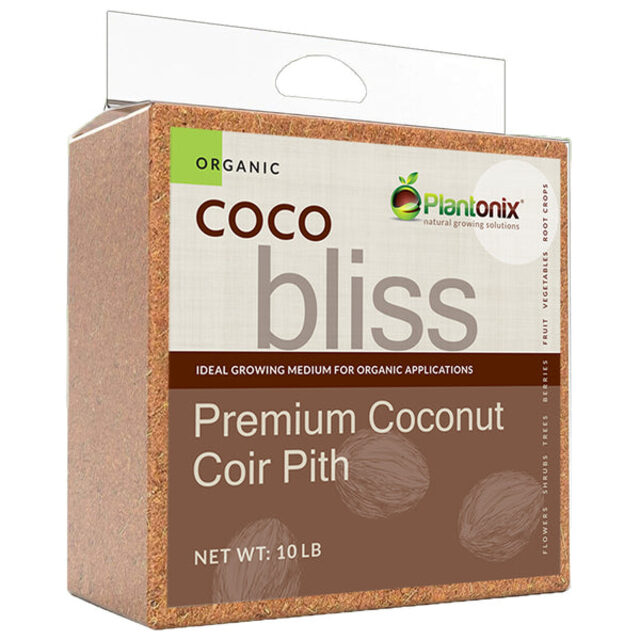
Eartheasy Coco Coir Fiber (5kg Brick)
Compressed coconut fiber — expands to approximately 2.5 cubic feet when hydrated. Used as both a soil amendment (30% by volume in potting mix) and as a surface mulch for containers. Neutral pH. Lightweight. Excellent moisture retention at the surface. Unlike peat, coir is a renewable byproduct of coconut processing. The 5kg brick is the right size for a 6–8 container balcony garden's seasonal mulch needs.
Eartheasy Organic Barley Straw Mulch (Small Bale)
Certified organic barley straw for use as surface mulch on containers and raised beds. Highly effective moisture retention — 2-inch layer reduces surface evaporation by 40–60% in field conditions. Breaks down over the season, adding organic matter. The small bale is sized for container gardens (doesn't require you to buy a 50-lb landscape bale). Lighter than wood chip mulch — better for weight-sensitive balconies.
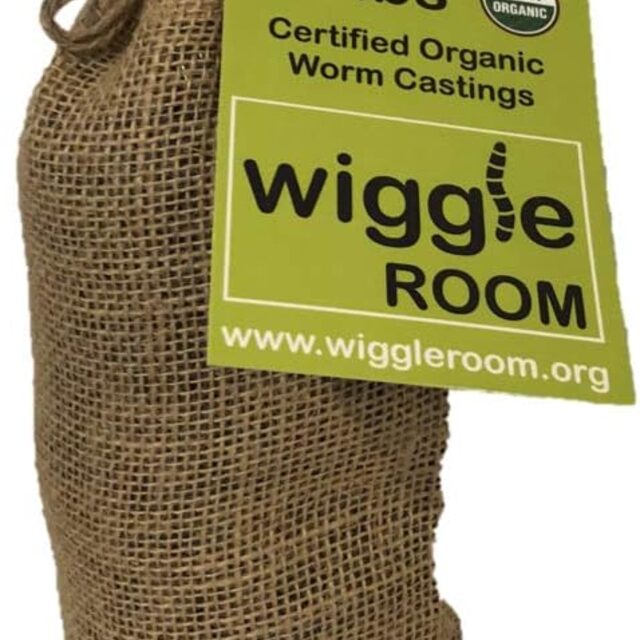
EarthHero Worm Castings (2-lb bag)
Finished vermicompost for use as a rich top-dressing on container gardens. Applied at 1/2-inch depth monthly, worm castings feed plants through slow nutrient release, introduce beneficial soil biology, and function as a light mulch. The most biologically active surface amendment available. Mix with coco coir at 50/50 for a mulch that feeds and retains moisture simultaneously.
Frequently Asked Questions
Can mulch cause problems in a container?
Yes. Mulch can obstruct small plants and make the growing mix harder to inspect. Keep stems exposed, check moisture beneath the cover, and thin or remove it if the container stays too wet.
Is compost the same as mulch?
Mulch is a surface covering; compost is decomposed organic material that can serve as mulch or a growing-medium ingredient. Compost also contributes variable amounts of nutrients, so repeated top-dressing needs more consideration than replacing a loose surface cover.
Should every herb pot have mulch?
No. Basil, mint, parsley, and cilantro need more consistent moisture than rosemary, thyme, oregano, and lavender. Leave a slow-drying pot uncovered when conserving more moisture would work against the plant’s needs.