Sulfate-Free Shampoo for Color-Treated Hair: How to Choose
Compare Pureology Hydrate Sheer and Briogeo Aloe + Oat Milk shampoo, with practical advice on fragrance, color care, washing and conditioner.
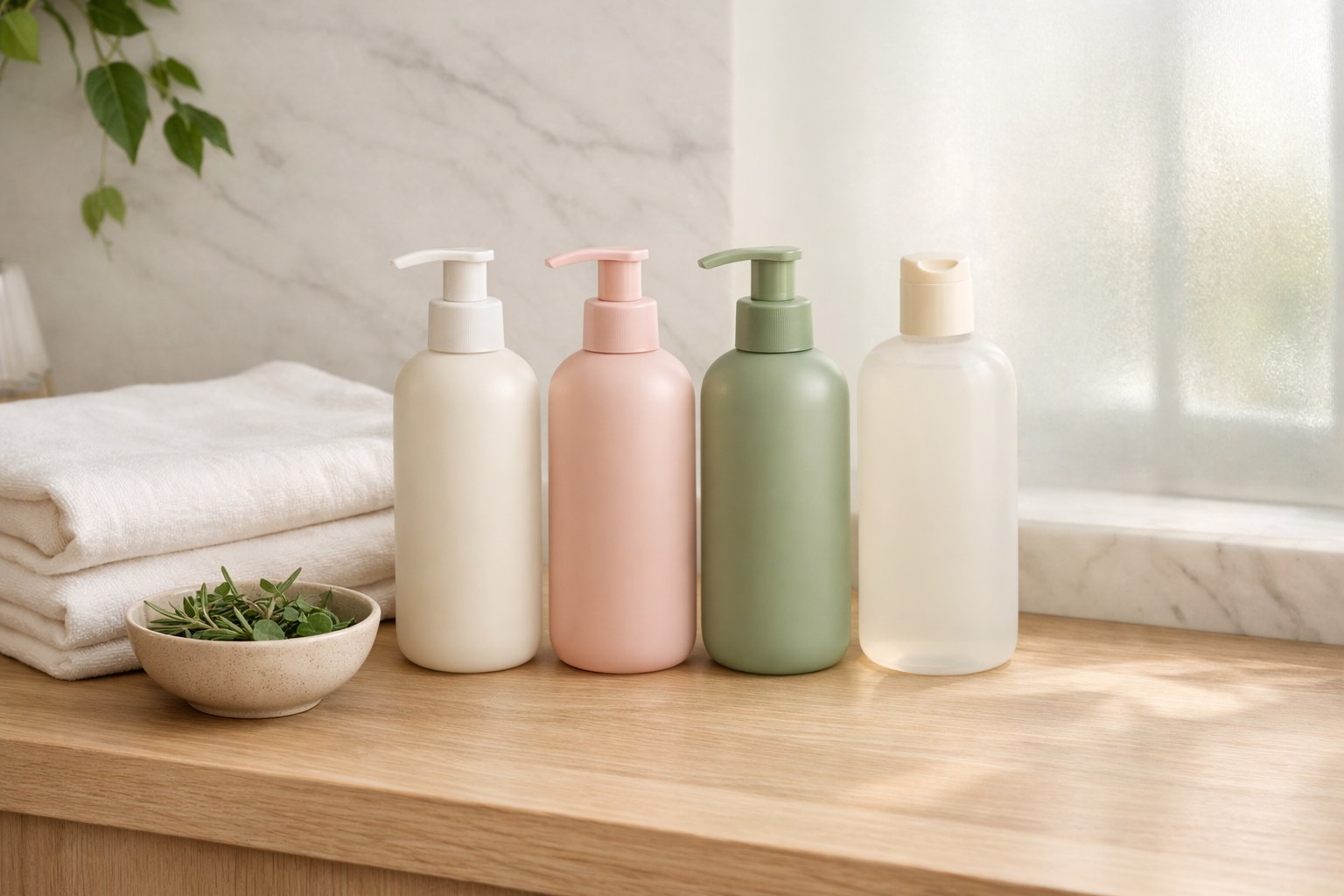
Featured Options Compared in This Guide
Full specs & notes ↓For fine, dry, color-treated hair, Pureology Hydrate Sheer is a relevant sulfate-free option because it is formulated and marketed for that combination. If avoiding fragrance is the priority, Briogeo Be Gentle, Be Kind Aloe + Oat Milk Ultra Soothing Shampoo is a more relevant starting point. Neither product can be promised to prevent all fading, and this comparison does not rank them from a controlled color-retention test.
The useful question is whether the entire formula and wash routine suit your hair, scalp and color service. “Sulfate-free” alone does not answer those questions.
Two formulas with different priorities
| Product | Manufacturer positioning | Relevant ingredient detail | Buyer tradeoff |
|---|---|---|---|
| Pureology Hydrate Sheer Shampoo | Lightweight hydration for fine, dry, color-treated hair; ZeroSulfate and silicone-free | Lists sodium cocoyl isethionate and cocamidopropyl betaine among its cleansers; also lists fragrance | A specific match for fine colored hair, but not a fragrance-free choice |
| Briogeo Be Gentle, Be Kind Aloe + Oat Milk Ultra Soothing Shampoo | Sulfate-free cleansing for people concerned about ingredient sensitivities | Lists sodium lauroyl methyl isethionate and cocamidopropyl betaine; brand states no fragrance or essential oils | Addresses a fragrance preference; that does not establish superior dye retention |
The comparison uses the Pureology Hydrate Sheer page and Briogeo Aloe + Oat Milk page. These are manufacturer descriptions and ingredient disclosures, not independent comparative performance results.
Choose Pureology first if your main difficulty is finding a moisturizing shampoo for fine colored hair and fragrance is acceptable to you. Do not accidentally substitute another Hydrate product based on bottle color or an abbreviated retailer title.
Consider Briogeo first if you want a shampoo without added fragrance or essential oils. The complete formula still matters: avoiding fragrance does not remove every possible cause of a reaction. FDA explains that “hypoallergenic” has no federal definition. If you have a diagnosed ingredient allergy, use the avoidance list your clinician provided.
What to ask about color protection
A color-care claim is useful for identifying a product’s intended role. It is less useful for predicting how many washes your particular red, blonde, brunette or vivid shade will last.
If a brand advertises a measured result, look for the comparison behind it: shampoo alone or a shampoo-and-conditioner system, what kind of hair color, how many washes, and compared with what. An ingredient list cannot supply those missing test conditions. Do not infer a product’s finished pH from seeing citric acid or sodium hydroxide in that list, either.
Give your colorist the exact product name and the type of result you want. Advice for maintaining a vivid direct dye may differ from advice for highlighted hair that feels rough and tangled. Avoid buying a clarifying or toning product as your sole everyday shampoo simply because its label also says color-safe.
Make the washing routine work
The American Academy of Dermatology recommends washing according to how oily or dirty the hair gets, concentrating shampoo on the scalp, and using conditioner after washing. For fine or straight hair, conditioner can be focused on the ends; dry or curly hair may need it through the lengths. AAD healthy hair tips.
Wet your hair thoroughly, distribute the labeled amount, massage the scalp gently and rinse well. Judge whether your scalp feels clean and comfortable, rather than using a large foam volume as the goal. Follow with a conditioner that gives the detangling and softness you need; it does not have to be sold in a matching gift set.
If a new routine leaves your roots coated, first check rinse technique, conditioner placement and styling-product use. Change one factor at a time. If your scalp becomes itchy, painful or persistently flaky, do not force yourself through a supposed detox period; seek advice on the cause instead.
Sun exposure also belongs in a color-care plan. AAD notes that dyed or bleached hair can become faded and brittle in the sun and recommends a wide-brimmed hat. A shampoo purchase cannot replace that protection. AAD coloring and perming guidance.
Spend on the right size after establishing fit
A large bottle may have a lower unit price, but it is poor value if you dislike the fragrance or finish. Begin with a smaller size when possible. Once it works for you, compare the delivered price per milliliter with larger sizes or a compatible refill.
For solid shampoo, ask about the exact bar’s intended hair type and color-care directions. A solid format is a packaging choice, not proof of gentler cleansing. For a broader shopping framework, see the clean beauty guide and refillable cosmetics cost guide.
Sources
Products Compared in This Guide
Sulfate-Free Shampoo for Color-Treated Hair — Top-Spec Options
Compare current model specifications, material disclosures, and third-party certifications for sulfate free shampoo 9 brands 3 that dont strip color.
Certified Sulfate Free Shampoo 9 Brands 3 That Dont Strip Color Alternatives
Check verified certification scope, replacement parts, and packaging details across clean beauty listings.