Mineral Sunscreen Without White Cast: Tint and Formula Choices
Compare CeraVe Sheer Tint, Colorescience Flex, and ILIA Skin Tint by shade, finish, SPF, and water resistance, with practical application advice.
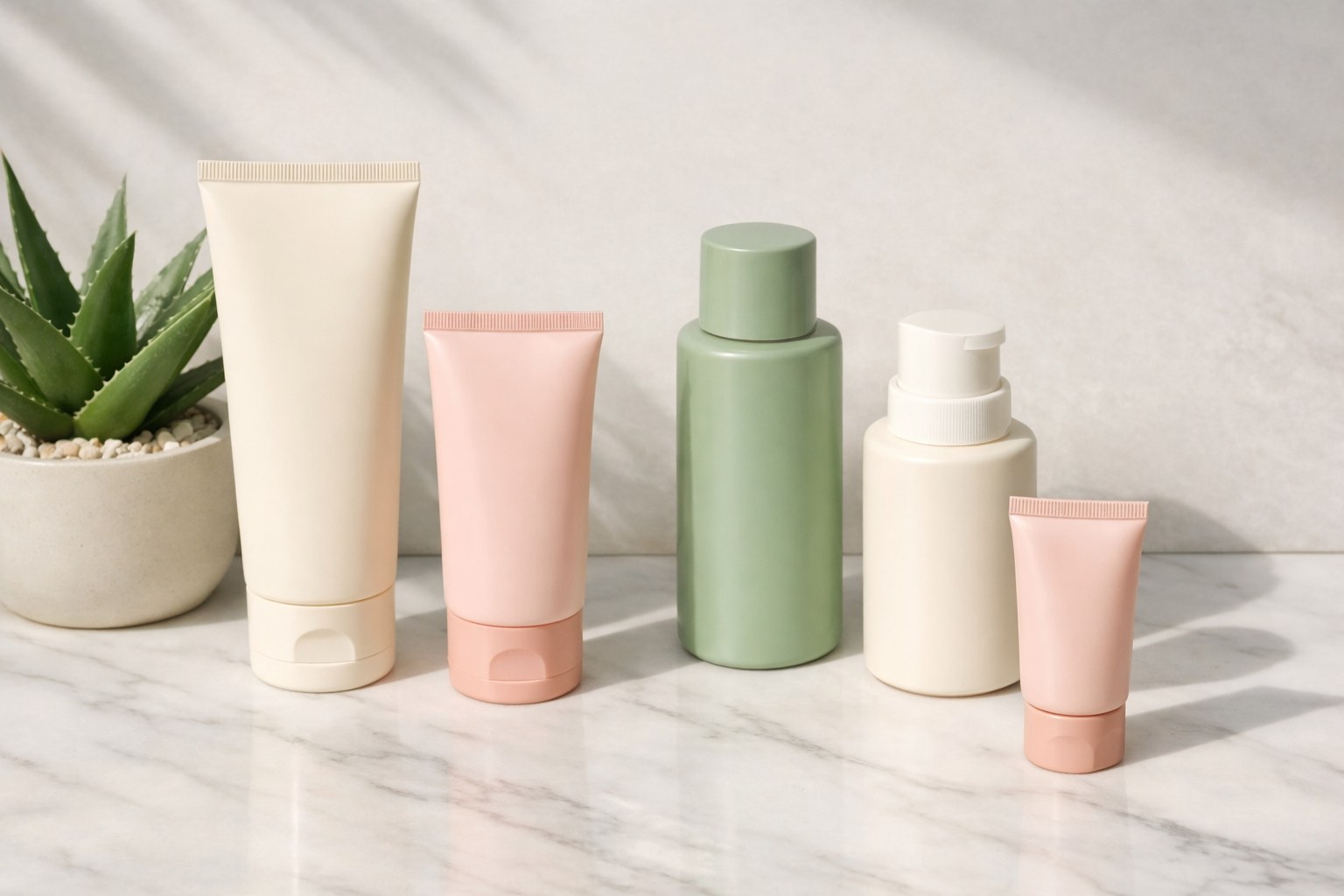
Featured Options Compared in This Guide
Full specs & notes ↓A tinted mineral sunscreen with a suitable shade is a useful starting point for reducing white cast. No tint is invisible on every complexion. Choose one that looks acceptable when applied generously according to its directions; using less to hide a cast undermines the protection you are buying.
For a starting shortlist, CeraVe Sheer Tint offers a small tint range, Colorescience Flex pairs tinted coverage with labeled water resistance, and ILIA Skin Tint offers a broader makeup shade range but is not water-resistant. These are comparisons of manufacturer information, not wear-test results.
Three options with different jobs
| Product | Published characteristics | Most useful comparison for |
|---|---|---|
| CeraVe Hydrating Mineral Sunscreen SPF 30 Face Sheer Tint | Broad spectrum; zinc oxide and titanium dioxide; light, medium and deep tints | Someone wanting sheer color and a moisturizing facial formula |
| Colorescience Sunforgettable Total Protection Face Shield Flex SPF 50 | Mineral broad-spectrum SPF 50; tinted coverage; water resistant for 40 minutes | Someone wanting a tinted sunscreen with a stated swimming/sweating interval |
| ILIA Super Serum Skin Tint SPF 40 | Zinc oxide active; dewy finish; 30 shades; not water- or sweat-resistant | Someone prioritizing makeup shade matching for daily wear |
Product details: CeraVe, Colorescience, ILIA Skin Tint, and ILIA’s water-resistance FAQ.
CeraVe: a short shade range for sheer coverage
CeraVe describes iron oxides as helping offset the whitening effect of its mineral filters. The formula also lists ceramides and moisturizing ingredients. Three shade families simplify the initial choice, but they give less room for matching unusual undertones than a makeup-style range. “Light,” “medium,” and “deep” are starting points, not assurances that every complexion is covered.
Do not confuse Hydrating Mineral Sheer Tint with similarly named CeraVe sunscreens. CeraVe’s directions say to use a water-resistant sunscreen if swimming or sweating; do not treat this tint as a sport sunscreen.
Colorescience Flex: tinted coverage with a defined water-resistance limit
Flex is useful to compare when water resistance matters. Its label claim is 40 minutes, so it needs reapplication after that period of swimming or sweating, immediately after towel drying, and according to the other label directions. SPF 50 does not extend that interval. Flex Drug Facts carton, page 2.
The brand’s instructions describe activating the tint by rubbing it between fingertips and allowing it to develop on the skin. This does not make the shade universally self-matching. Evaluate the final color before deciding whether it is a good fit.
ILIA: makeup shade choice, with an SPF-use caveat
ILIA describes its tint as light-to-medium coverage with a dewy finish. It is the option to consider if matching depth and undertone matters more than a matte look. However, the brand explicitly recommends a water-resistant sunscreen instead when swimming or sweating.
The amount you normally use for a light makeup finish may be less than a sunscreen application requires. Use a separate suitable sunscreen if you cannot apply the tint as directed for protection. Our ILIA product guide compares it with the brand’s foundation.
How to judge cast and fit
Try a prospective shade along the jaw where you can compare it with your neck. Examine the settled color in daylight. Once it looks plausible, judge a full, label-directed application: a tiny swatch cannot show how the complete sunscreen film will look.
For pilling, simplify the layers underneath and allow each to settle. Follow the product’s layering instructions: CeraVe permits makeup over the sunscreen, and the Flex carton directs wearing it alone or under makeup. Choose another formula if the required amount remains uncomfortable or visibly mismatched.
Keep protection central
The AAD recommends broad-spectrum SPF 30 or higher and water resistance. Apply before outdoor exposure, reapply at least every two hours, and follow the shorter swimming, sweating and towel-drying directions. Add shade and protective clothing. AAD selection guidance; FDA sunscreen directions.
A “non-nano” or “reef-safe” slogan does not tell you whether a shade matches or a product has adequate labeled protection. Keep those claims separate from the SPF decision. If none of the mineral options works cosmetically, a suitable broad-spectrum sunscreen you will use correctly is preferable to abandoning sunscreen.
Sources
Products Compared in This Guide
Mineral Sunscreen Without White Cast — Certified Options
Compare current model specifications, material disclosures, and third-party certifications for mineral sunscreen without white cast.
Mineral Sunscreen Without White Cast — Lower-Impact Alternatives
Check verified ingredient/material disclosures and replacement options for mineral sunscreen without white cast.