How to Read Skincare Labels and Use EWG Skin Deep
Read U.S. skincare ingredient lists, understand the 1% ordering exception, separate sunscreen actives, and use EWG ratings without oversimplifying safety.
Featured Options Compared in This Guide
Full specs & notes ↓Read a skincare label in this order: intended use, directions, ingredients, then optional certifications. That sequence answers whether the product does the job you need before you spend time interpreting unfamiliar names. The guidance below focuses on U.S. labels; naming and disclosure rules vary by market.
What ingredient order actually tells you
Under the FDA’s cosmetic-labeling guidance, ingredients are generally declared in descending order of predominance. Ingredients present at 1% or less can appear in any order after those above 1%, and color additives have additional ordering flexibility. Fragrance and flavor mixtures also have special declaration rules. FDA Cosmetics Labeling Guide.
That means you cannot draw a line after the fifth ingredient and call everything below it a trace ingredient. Nor can you infer that niacinamide is 5%, fragrance is 0.5%, or a preservative is ineffective from position alone. Look for an expressly disclosed percentage when it matters to the product’s use.
Names may look technical because labels use standardized or established ingredient names. The FDA’s U.S. naming rules are not simply a requirement to use any international INCI name unchanged. An imported ingredient list may use different naming conventions.
Separate cosmetics from drug labeling
A moisturizer is usually a cosmetic. A moisturizer marketed with sunscreen protection is also subject to drug requirements. For sunscreen, read the SPF and broad-spectrum statement on the package, then find the Drug Facts panel for active ingredients, warnings and directions. The inactive ingredients describe the rest of the formula.
Zinc oxide or titanium dioxide in a makeup ingredient list does not let you calculate the product’s SPF. The protection claim belongs to the finished, labeled sunscreen. Read that product’s SPF and directions rather than guessing protection from the ingredient list. FDA sunscreen guidance.
Work through a real moisturizer label
Vanicream Moisturizing Cream lists water, petrolatum, sorbitol, cetearyl alcohol, propylene glycol, ceteareth-20, simethicone, glyceryl stearate, PEG-30 stearate and sorbic acid.
Useful conclusions from that page are specific: it is a cream intended for face and body, its formula includes petrolatum, and the brand says it is free of fragrance and masking fragrance. It explicitly says this product has no ceramides.
Less useful conclusions would be that “alcohol” makes it equivalent to rubbing alcohol, that the letters PEG prove contamination, or that a short ingredient list guarantees no allergic reaction. The list identifies ingredients; it does not provide laboratory impurity measurements or a personalized tolerance prediction.
The same principle applies to preservatives. The FDA explains that parabens serve to protect products from microbial growth and says it does not currently have information showing an effect on human health from their use in cosmetics. “Paraben-free” is therefore a formulation attribute, not proof that another product is dangerous. FDA: Parabens in Cosmetics.
Use Skin Deep for a defined question
Search the exact product in EWG Skin Deep, and match its ingredients to your package. If the lists differ, do not apply the old entry’s assessment to the new formula.
EWG’s scale runs from 1 to 10, with 1–2 in the green range. Its current licensing criteria, section 7.1, explain that scores use a weight-of-evidence approach rather than averaging ingredient numbers. Even a green-rated product can contain ingredients outside the green range.
Read what drives the assessment. A potential allergy concern is a different question from an ingredient restriction for a particular use. Neither should be compressed into a universal “buy” or “never buy” rule. Looking up individual ingredients can help you ask better questions, but manually adding their scores does not reproduce EWG’s finished-product assessment.
The EWG Verified mark requires additional disclosure and manufacturing criteria. An ordinary database listing is not that certification.
Finish with your own needs
Before checkout, answer four questions:
- Does this product have a clear place in my routine?
- Do the directions fit my existing treatments and intended use?
- Does it contain an ingredient I know I must avoid?
- Can I use the amount and texture required, especially for sunscreen?
If fragrance is your main concern, our fragrance-free routine guide gives concrete starting options. A useful label check should help you choose a suitable product, rather than turn every unfamiliar chemical name into a warning.
Sources
Products Compared in This Guide
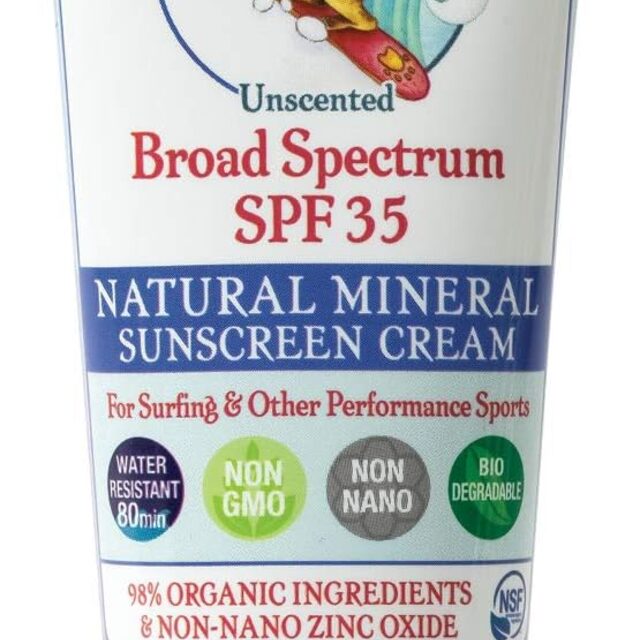
EWG Verified Badger Sport Sunscreen SPF 35
The EWG-recommended sunscreen reference product: simple ingredient list, zinc oxide only, no chemical UV filters. Use this as the benchmark for what a high-scoring product looks like on the Skin Deep database. Score: 1 (EWG's best).
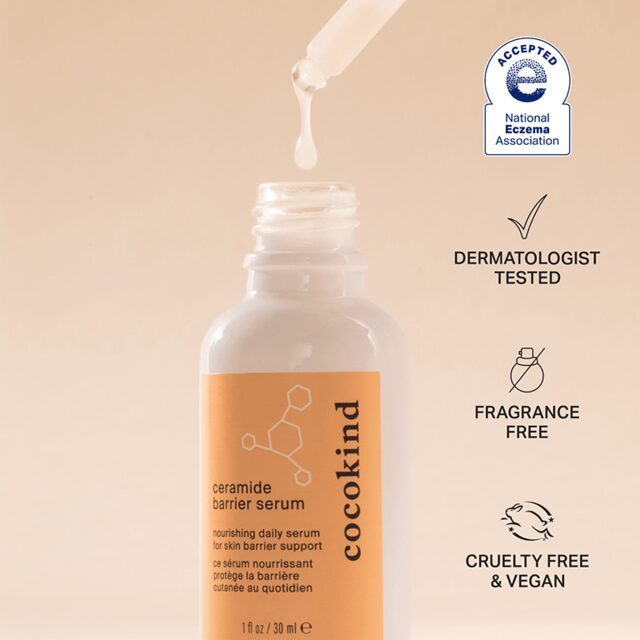
Cocokind Ceramide Barrier Serum
Cocokind is one of the most transparent brands in clean beauty—they publish full ingredient sourcing and environmental impact per product. A good example of a mid-tier ingredient list that scores well because every ingredient is documented and low-concern.
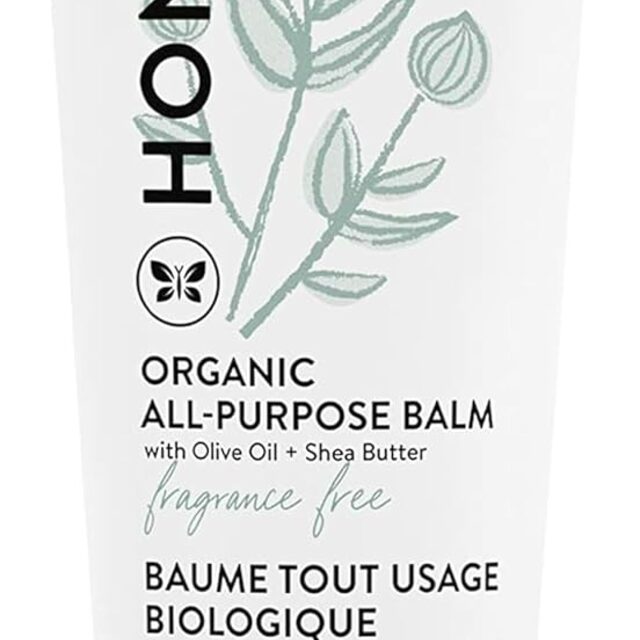
The Honest Company Healing Balm
EWG Verified, short ingredient list, fragrance-free. The Honest Company's simpler products (balms, basic moisturizers) score consistently well on Skin Deep. Their more complex products (some fragranced versions) score differently—an example of why brand trust isn't sufficient and product-level verification matters.
Frequently Asked Questions
Can I tell an ingredient's percentage from its position?
Usually not. U.S. cosmetic ingredients above 1% generally appear in descending order, while those at 1% or less have ordering flexibility. The label does not mark that boundary.
Does a low EWG score mean every ingredient has a low score?
No. EWG says its product score is not an average and a green-rated product can include ingredients outside the green range.
Does zinc oxide in makeup prove it provides sun protection?
No. Use the finished product's labeled SPF, broad-spectrum claim and Drug Facts directions. Ingredient presence alone does not establish SPF.