Sustainable Fabric Guide: Cotton, Linen, TENCEL and Recycled Fibers
Compare fabrics by garment use, complete fiber content and certification scope. Learn what organic, recycled, TENCEL and bamboo claims actually establish.
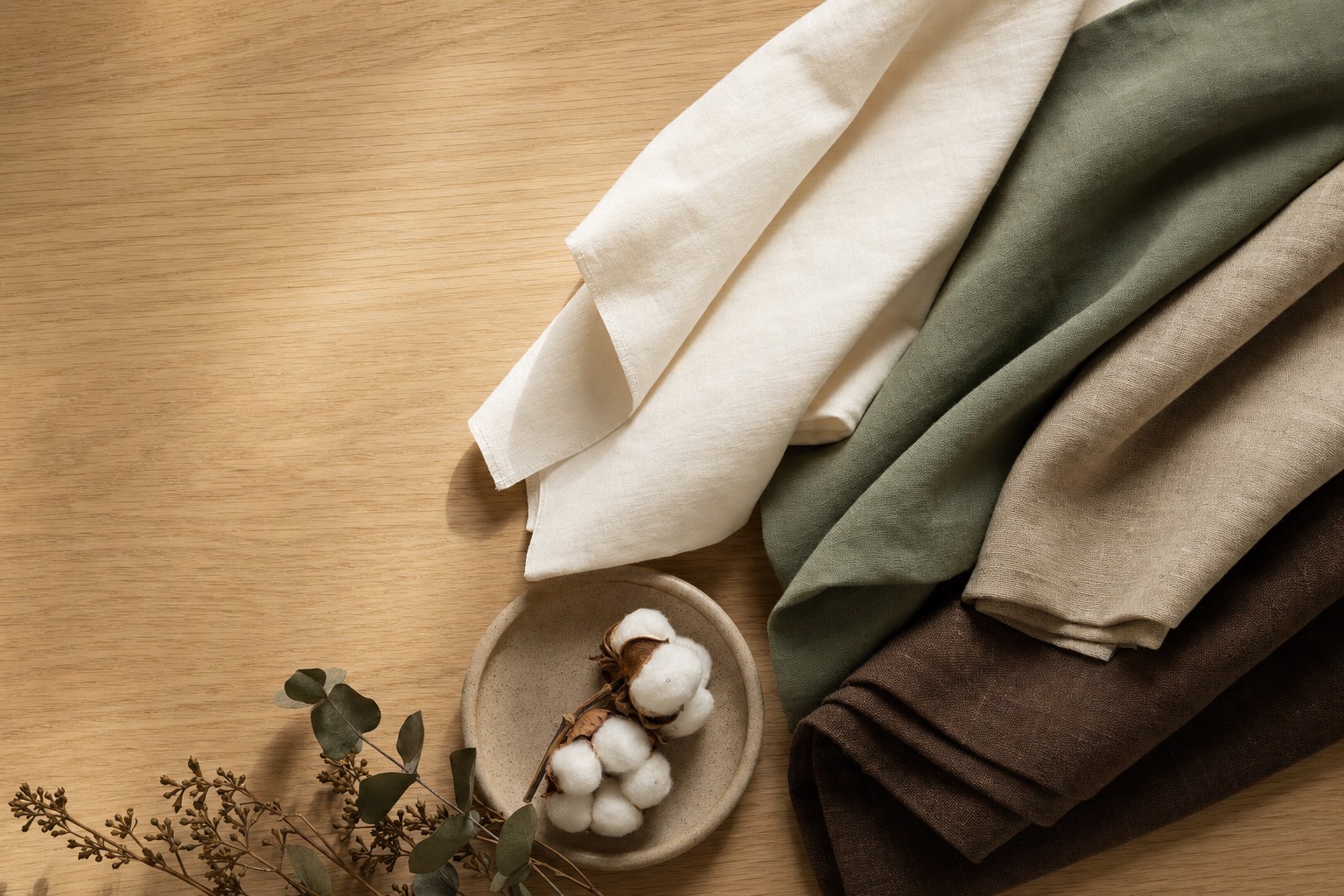
Featured Options Compared in This Guide
Full specs & notes ↓Choose the garment you need, then compare what its fabric claims actually establish. Organic content, recycled content and a named fiber-production process answer different questions. Keep those questions separate from whether a tee provides enough coverage, trousers fit comfortably or a dress hangs the way you want.
Use this guide to compare alternatives for a purchase you need—not as a reason to replace serviceable clothes with a different fiber label.
Compare fabrics for the garment you want
The checks below are buying recommendations, not promises about every fabric in a category.
| Garment decision | Alternatives to compare | How to make the choice |
|---|---|---|
| Everyday tee | Cotton versus lyocell or modal | If certified organic content is the priority, look for an appropriate GOTS label. If feel is the priority, compare the actual tees against your skin and over your usual underlayer; a fiber name is not a softness rating. |
| Summer shirt or trousers | Cotton versus linen or hemp | Compare coverage in similar light, texture against skin and fit while seated. If you want a pressed appearance, examine each candidate after handling and compare its ironing instructions. |
| Draped blouse or dress | Generic lyocell or modal versus an identified TENCEL variant | Compare similar cuts and fabric structures. For a specific softness or drape claim, distinguish a named fiber technology from a general lyocell or modal description. |
| Knit layer | Wool versus plant-fiber or regenerated-cellulose options | Decide whether an animal fiber fits your preferences. Try the garment over its intended underlayer and check contact at the neck and cuffs, alongside the cleaning method you are willing to use. |
| Leggings or a bag | Recycled polyester or nylon options with different blends or components | For leggings, compare movement and waistband fit. For a bag, establish whether the recycled claim covers the shell, lining or another component before comparing percentages. |
The sourcing distinctions matter: GOTS covers qualifying organic natural fibers and subsequent processing; TENCEL identifies Lenzing fiber offerings; RCS and GRS address recycled materials and their chain of custody. These are not interchangeable credentials.
Organic cotton: fiber sourcing versus the finished textile
A claim about organic cotton content is narrower than certification covering the finished textile. GOTS requires certification through applicable processing and manufacturing stages, with environmental, chemical and social criteria. Its two label grades require:
- Organic: at least 95% certified organic fibers.
- Made with Organic Materials: at least 70% certified organic fibers.
Those thresholds describe organic-fiber content, not necessarily cotton content. Read the full composition as well as the grade, particularly for a blend. GOTS allows specified additional fibers alongside certified organic fibers.
For a cotton-versus-modal tee decision, first identify your priority. If it is certified organic natural-fiber sourcing and processing criteria, an appropriately GOTS-labelled cotton garment addresses that priority. A TENCEL name alone answers a different question: which Lenzing fiber family is involved.
Then compare the tees themselves: neckline fit, seam alignment and transparency over the underlayer you expect to wear. Do not extend one item’s certification to a brand’s whole catalog, or interpret organic certification as a promise of irritation-free wear.
Linen and hemp: compare the garment, not an agricultural stereotype
Linen/flax and hemp are plant fibers. GOTS lists both among eligible organic natural fibers and permits specified blends; its eligible fibers also include cotton and animal fibers such as wool. That establishes their place within the standard, not a performance ranking between them. Source: GOTS key features.
For a cotton-versus-linen shirt, compare the actual coverage and surface feel rather than choosing on an assumed cooling advantage. For hemp or linen trousers, sit and bend before buying, checking the seat, knees and waistband. If creasing would bother you, examine the candidate’s appearance after handling and decide whether its permitted care fits your routine.
Do not infer a crop’s irrigation, pest-management or retting practices from the words “linen” or “hemp.” An item-specific agricultural claim needs sourcing support. Likewise, GOTS’s recognition of a plant fiber is not a finished-garment compostability claim.
TENCEL, lyocell, modal and ECOVERO are different kinds of names
TENCEL is Lenzing’s textile fiber brand, with lyocell, modal and lyocell filament offerings. Lyocell and modal identify fiber types; TENCEL identifies branded offerings within those types.
Lenzing describes two different production routes on its technology page:
- Lyocell: cellulose is dissolved directly using NMMO solvent. Lenzing reports recovering and reusing approximately 99.8% of that solvent in its process.
- Modal: production follows a modified viscose route, involving chemical reaction before dissolution. Lenzing attributes high wet strength to the resulting modal fibers.
The solvent-recovery figure is not a percentage reduction in a garment’s total environmental impact. Nor is fiber-level wet strength a washing instruction for every modal garment.
When softness and drape are the deciding factors
Lenzing specifically associates its TENCEL Micro technology with fine fibers that enable lightweight fabrics, flowing drape and a softer feel. Those are manufacturer claims about an identified technology—not findings about every generic lyocell or modal fabric. Source: Lenzing technologies.
For a draped blouse, that distinction is more useful than treating all cellulose fibers as equivalent. If a seller relies on the Micro claim, look for identification of that technology. Still assess how the finished blouse hangs on you. When comparing two candidates, keep the cut and knit-or-woven structure as similar as possible so you are comparing the garments you actually want.
LENZING ECOVERO is branded viscose, not lyocell. Do not transfer Lenzing’s lyocell solvent-recovery figure to an ECOVERO garment.
Where bamboo fits
The FTC’s bamboo-fabric guidance explains that bamboo textiles advertised as soft or silky have likely been converted into rayon or viscose. The FTC also says there is no evidence that rayon made from processed bamboo is naturally antibacterial.
For a bamboo-labelled top, identify the actual fiber before comparing it with cotton, lyocell or modal. The plant used as feedstock does not, by itself, establish the finished fabric’s properties or environmental advantages.
Recycled synthetics: compare content without assuming recyclability
Textile Exchange’s RCS and GRS provide third-party certification of recycled materials and chain of custody. Both accept pre-consumer and post-consumer inputs, so a logo alone does not tell you that the feedstock was used clothing. GRS adds social, environmental and chemical requirements related to processing.
GRS also distinguishes between uses of the standard: business-to-business certification can apply from 20% recycled content, while consumer-facing GRS labelling requires at least 50%. Neither threshold means that an item is entirely recycled.
For leggings, if the composition lists recycled polyester or nylon alongside spandex, compare the complete blend—not just the recycled percentage. Try sitting, bending and squatting, and check whether the waistband and seams suit the intended activity. Treat these as garment checks, not outcomes that a recycled-content certificate predicts.
For a bag, separate a recycled-shell claim from the composition of the lining and other parts. If it has coatings, foam or hardware, ask the receiving collection program whether it accepts the bag as constructed and follow that program’s preparation requirements. Do not assume those parts must be separated—or that separation will make the bag acceptable.
RCS and GRS processing requirements concern the certified supply chain. They are not disposal instructions or evidence that a particular used bag has an available recycling route.
What OEKO-TEX STANDARD 100 adds
OEKO-TEX STANDARD 100 addresses testing for harmful substances. Its scope can extend from yarn to finished products; for a certified finished article, components such as threads, buttons and accessories are included.
This answers a different question from GOTS organic-fiber requirements or RCS/GRS recycled-content certification. Do not use STANDARD 100 alone as evidence of organic sourcing or particular wage practices. A certificate for fabric alone also should not be presented as certification of an entire assembled garment.
OEKO-TEX provides a validity check using the certificate number or label QR code. Match the certificate to the article being sold rather than relying on a general brand statement. Avoid interpreting any of these labels as a universal safety guarantee.
When two garments meet your needs, favor the one with clear evidence for the sourcing or processing priority you care about—and a fit and care routine you can live with. A fiber name should help you understand a purchase, not make the decision for you.
Related reading: TENCEL clothing guide · Girlfriend Collective review
Sources
Products Compared in This Guide
Pact GOTS Organic Cotton Basics (Multiple Styles)
The most accessible destination for GOTS-certified organic cotton clothing. The certification appears on every Pact product — not just some lines. Tees, underwear, socks, and basic pants all certified.
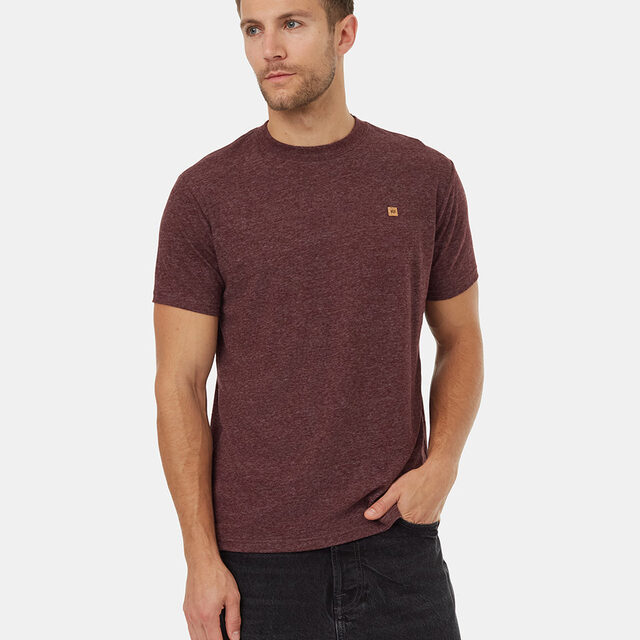
Tentree Hemp-Cotton Blend Tee
One of the few hemp-cotton blend products available from a mainstream brand. Hemp content improves durability, breathability, and softness-over-time. The 10-trees-per-purchase pledge adds to the environmental case.
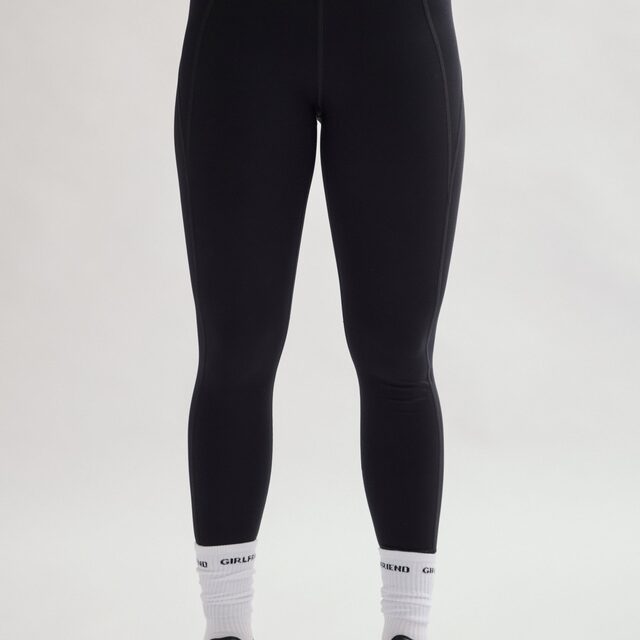
Girlfriend Collective RPET Activewear
The definitive example of what rPET activewear can achieve: 79% recycled plastic bottles, OEKO-TEX certified, functional performance. Use a Guppyfriend wash bag to capture microplastic shed.