Choosing Mascara for Smudging, Flaking, and Easy Removal
Compare ILIA Limitless Lash, e.l.f. Lash XTNDR, and Thrive Liquid Lash Extensions by wand, tubing formula, removal and vegan ingredients.
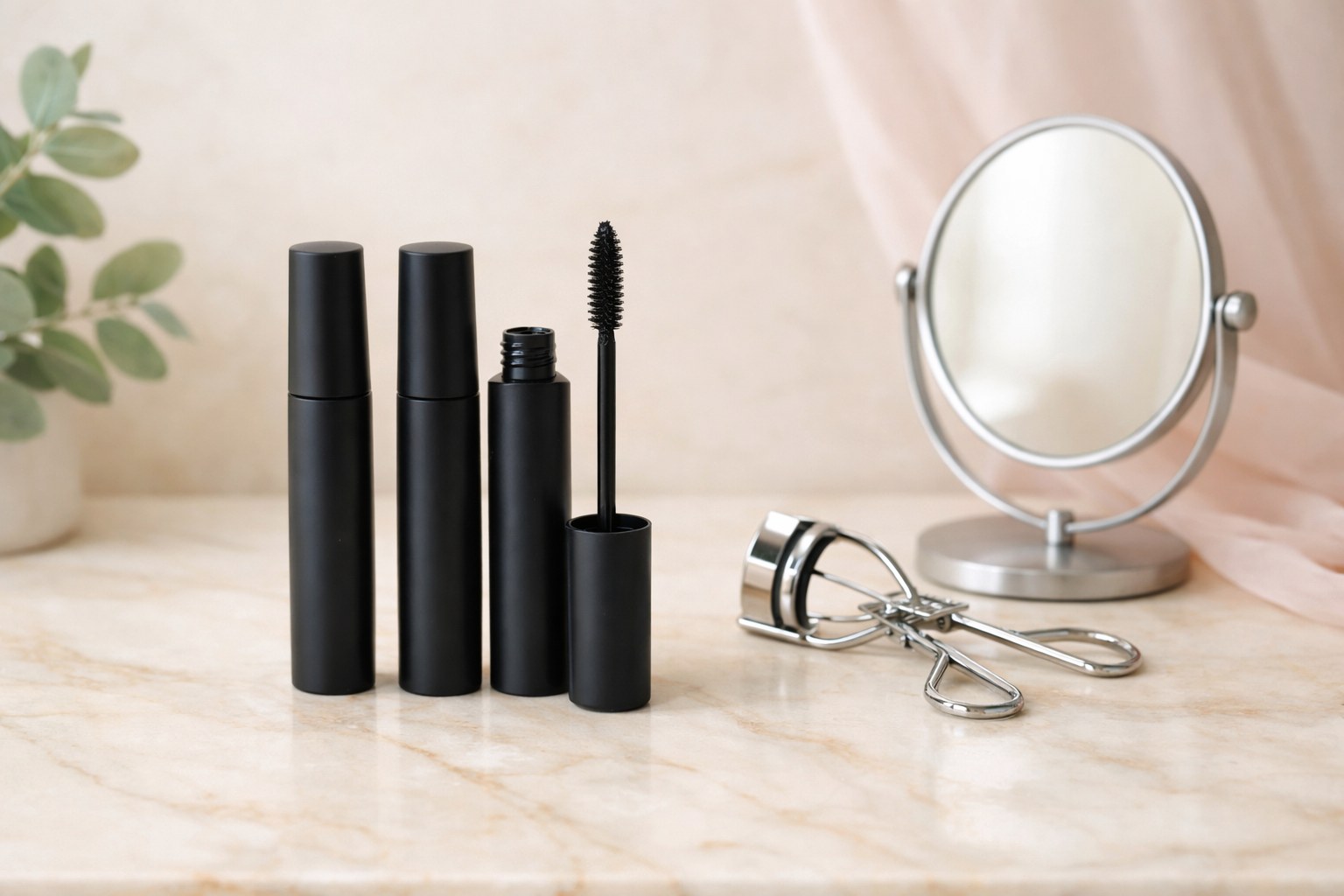
Featured Options Compared in This Guide
Full specs & notes ↓If smudging and difficult removal are your main concerns, compare the tubing formulas below: both brands market them for smudge resistance and warm-water removal. For swimming, look for an explicit waterproof claim. “Clean,” “natural,” and “non-toxic” do not establish sweat resistance or tell you whether a mascara will flake.
ILIA Limitless Lash, e.l.f. Lash XTNDR and Thrive Liquid Lash Extensions offer three useful comparisons. The features below come from their current product pages; there is no universal workout winner.
Compare the formula and brush together
| Mascara | Manufacturer-described format | Application and removal | Ingredient preference |
|---|---|---|---|
| ILIA Limitless Lash | Lengthening mascara; explicitly not tubing | Dual-sided brush/comb; warm-water removal | Contains beeswax |
| e.l.f. Lash XTNDR | Tubing mascara | Tapered silicone brush; warm-water removal | Brand identifies it as vegan |
| Thrive Liquid Lash Extensions | Tubing mascara, marketed as water-resistant | Layer while lashes are wet; warm water and gentle downward removal | Brand identifies it as vegan |
Product sources: ILIA, e.l.f., and Thrive.
ILIA Limitless Lash: for separation and a comb-like wand
The short side of ILIA’s wand is intended to lift and define, while the longer side separates and lengthens. The formula lists water, beeswax, shea butter and carnauba wax among its ingredients. Water near the top of a mascara list does not prove that the finished formula will smudge.
ILIA’s FAQ explicitly says Limitless Lash is not a tubing mascara, even though it removes with warm water. It is a useful choice to compare if you like brush-and-comb application. It is not suitable for a strict vegan preference because of its beeswax.
e.l.f. Lash XTNDR: for a tapered tubing brush
Lash XTNDR uses tubing technology and a flexible, tapered silicone brush. The brand describes it as resistant to clumping, flaking and smudging, and directs users to add layers while lashes remain soft. Those are manufacturer performance claims, not guarantees for every wearer.
This is a practical alternative when you want a vegan tubing formula with a tapered brush. Compare how comfortably you can reach short lashes without touching the eye or surrounding skin; a wand you can control matters more than a dramatic marketing photograph.
Thrive Liquid Lash Extensions: for tubing with water-resistance positioning
Thrive identifies Liquid Lash Extensions as water-resistant and directs users to layer additional coats while lashes are still wet. For removal, the brand specifies warm water with a washcloth and a gentle downward motion. Do not pull on dry lashes to remove the coating.
It is a useful comparison when tubing and vegan ingredients are priorities. “Water-resistant” is still different from proof of performance during a long swim, vigorous exercise or eye rubbing. Keep removal method and your activity in mind when choosing.
Match the fix to the problem
Dark smears beneath the eyes: Consider a tubing formula, then see whether your skincare, application amount or touching your eyes affects wear. Change one variable at a time so you can tell what helps.
Dry flakes: Follow the product’s layering directions and avoid endlessly adding coats after it sets. Check whether the tube has become dry or passed the manufacturer’s replacement guidance.
Curl drops quickly: Select a controllable wand and apply as directed. ILIA recommends using a curler before mascara if you want additional lift. There is no reliable universal multiplier for how long a curl will last.
Removal takes scrubbing: Use the formula’s specified method. Warm-water-removing mascara can be a useful alternative; waterproof formulas may need an eye-intended remover. Do not substitute homemade mixtures or add oil to the mascara tube.
Eye hygiene matters more than a blacklist
FDA says most eye cosmetics are safe when properly used, while highlighting contamination, applicator injury and unapproved color additives as concerns. Use products intended for the eye area, wash your hands, keep applicators clean and do not share mascara. FDA eye-cosmetic safety.
Discard dried mascara rather than adding water or saliva. Follow the maker’s replacement guidance; FDA notes that manufacturers commonly recommend discarding mascara two to four months after purchase. If you develop an eye infection, discard the eye cosmetics you were using and wait until healed before using eye makeup again.
Preservatives help protect cosmetics against microorganisms. A paraben-free claim does not mean preservation is unnecessary, nor does a plant-wax formula prove better lash growth. FDA guidance on preservatives.
For recurring irritation, stop the product and seek care if symptoms persist. For the rest of a scent-conscious routine, see fragrance-free skincare.
Sources
Products Compared in This Guide
Choosing Mascara for Smudging, Flaking, and Easy Removal — Top-Spec Options
Compare current model specifications, material disclosures, and third-party certifications for non toxic mascara survived a spin class.
Certified Non Toxic Mascara Survived A Spin Class Alternatives
Check verified certification scope, replacement parts, and packaging details across clean beauty listings.