Floor Cleaners by Material: Wood, Laminate, Vinyl, and Stone
Choose floor cleaners and cleaning methods for wood, laminate, vinyl, and natural stone, with practical routines for dust, spills, and stubborn marks.
Featured Options Compared in This Guide
Full specs & notes ↓Choose the cleaner by the floor material and finish, then match the method to the mess. Loose grit, a fresh spill, and a stubborn mark call for different responses. A cleaning recipe suitable for one floor may be discouraged for another: Pergo permits diluted vinegar for laminate, while Shaw advises against vinegar-based products on luxury vinyl and the Natural Stone Institute advises against acidic cleaners on stone. Pergo laminate care, Shaw vinyl care, Natural Stone Institute.
Wood: match the finish and limit moisture
For routine dirt, sweep, dust mop, or vacuum on the bare-floor setting. For a fresh spill, use a dry or slightly damp cloth promptly. The National Wood Flooring Association advises against wet mopping and steam mopping because repeated use can damage both the finish and the wood. NWFA maintenance guidance.
When a cleaner is needed, buy for the specific finish on your floor. NWFA recommends a finish-specific product that your flooring professional can identify. A broad claim that a bottle works on wood does not answer whether it suits your finish. Establish that match before choosing a spray or concentrate. NWFA maintenance guidance.
Do not borrow stone’s rinse-and-dry routine for wood. If the floor remains dull after appropriate cleaning, discuss finish maintenance rather than increasing the cleaner dose. NWFA describes recoating—applying another coat of floor finish—as a way to renew dull wood floors. NWFA maintenance guidance.
Laminate: separate dust removal from spill treatment
For Pergo laminate, remove dust with a dust mop or a vacuum equipped for hard floors; its guidance also specifies a soft-bristle attachment to pick up potentially scratching particles. For deeper cleaning, use a damp cotton cloth or cloth mop. Pergo cleaning and care.
Choose the next step according to what remains:
- General dirt: Pergo offers a mixture of 1 cup household vinegar per 1 gallon warm water, applied with a damp mop.
- Chocolate, grease, juice, or wine: Use lukewarm water and a nonabrasive cleaner with a soft cloth or mop.
- Hardened candle wax or chewing gum: Pergo specifies a blunt plastic scraper rather than treating these deposits as ordinary mop-cleaning jobs.
These instructions concern Pergo laminate. Use another laminate manufacturer’s care directions for its flooring, and keep the vinegar mixture away from adjoining stone or Shaw luxury vinyl. Pergo cleaning and care, Shaw vinyl care, Natural Stone Institute.
Vinyl: choose a routine cleaner, then a targeted spot treatment
For luxury vinyl, begin by removing loose dirt and grit. Shaw recommends sweeping or dust mopping and weekly cleaning, with more frequent attention in busy areas. Pergo’s international LVT guidance suggests weekly dirt removal and a more thorough mop monthly, or twice monthly when especially dirty. Treat these as manufacturer schedules to adapt to traffic and visible soil. Shaw vinyl care, Pergo vinyl maintenance.
Routine mopping: neutral-pH cleaner versus Pergo’s diluted cleaner
For Shaw luxury vinyl, choose a Shaw-recommended neutral-pH cleaner. Vacuum or dust before periodic wet cleaning. Shaw advises against abrasive cleaners, ammonia-based products, vinegar-based products, and harsh chemicals. If rinsing is needed, it recommends a fan or air mover to speed drying. Its guidance does not make rinsing mandatory after every cleaning. Shaw vinyl care.
For Pergo LVT covered by its international guidance, use diluted Pergo Floor Cleaner and a well-wrung mop. Its routine uses the cleaner in the Pergo mop’s water tank, mopping along the planks or tiles. Rinse the mop in a separate bucket of clean water, wring it thoroughly, wipe the floor again, and let it air dry. Pergo warns against excessive water; the mop should be damp rather than saturated. Pergo vinyl maintenance.
The practical difference is the cleaning procedure: Shaw specifies a neutral-pH cleaner with rinsing when necessary; Pergo describes its own diluted cleaner followed by a pass with the rinsed mop. Do not convert Pergo’s tank-specific routine into an improvised bucket dose or assume Shaw’s guidance establishes compatibility for every vinyl brand.
Spills: ordinary cleaner first, stain-specific treatment when needed
On Shaw luxury vinyl, blot fresh spills promptly with a clean white absorbent cloth or paper towel, then use a Shaw-recommended neutral-pH cleaner. Shaw recommends its cleaner for common spills and residue. For spots that water and cleaning agents cannot remove and that require a solvent, it specifies isopropyl alcohol on a clean white cloth. That is a targeted spot treatment, not a whole-floor mopping solution. Shaw vinyl care.
Pergo distinguishes two treatments for its LVT:
- Chocolate, fruit juice, wine, or ketchup: Remove promptly with a moist cloth and Pergo Floor Cleaner diluted in lukewarm water at 3 teaspoons per 300 ml. This is its food-and-drink spill dilution, separate from the routine mop-tank instructions.
- Grease, oil, rubber marks, nail polish, permanent marker, chewing gum, or paint: Pergo directs users to spray Pergo Spot Cleaner onto the mark, leave it for up to five minutes, then rub with a clean cloth moistened with lukewarm water. It recommends white cotton; for deep-grain surfaces, it suggests a soft brush to work cleaner into marks.
These are Pergo’s instructions for its vinyl flooring, not evidence that the treatments suit other brands. For ordinary dirt, use the routine cleaner; reserve the spot treatment for the listed marks. Pergo vinyl maintenance.
Natural stone: neutral cleaning with rinsing and drying
Remove grit frequently with a clean, untreated dry dust mop. For washing, the Natural Stone Institute recommends a neutral cleaner, stone soap, or mild liquid dishwashing detergent with warm water, using a clean rag mop on floors. Excess cleaner can leave a film or streaks. Natural Stone Institute care guidance.
A neutral stone cleaner with clear dosing directions is a practical routine choice. Mild dish detergent is another option in the Institute’s guidance, but soap cleaning includes a thorough rinse and drying with a soft cloth. Change rinse water frequently rather than carrying dirty water across the floor. Natural Stone Institute care guidance.
For a fresh spill, blot immediately instead of wiping it outward. Wash the affected area with water and mild soap, rinse several times, and dry thoroughly with a soft cloth. Natural Stone Institute care guidance.
Skip vinegar and other acidic cleaners on natural stone. Acids can dull or etch calcium-carbonate-rich stone. The Institute also discourages acidic cleaners on siliceous stone because acid-sensitive minerals may be present. Abrasive powders and creams can scratch some stones. If a mark is acid etching, the Institute recommends professional refinishing or repolishing; additional routine cleaner will not address that maintenance need. Natural Stone Institute care guidance.
Choose cleaner format after compatibility
A ready-to-use cleaner avoids measuring a dilution; a concentrate requires preparation. Neither format by itself establishes suitability for a floor or better cleaning performance.
For wood, start with the finish-specific recommendation. For Pergo laminate, its household recipe requires measuring and damp application. For vinyl, distinguish routine mopping from localized stain treatment. For stone, include rinsing and drying in the job rather than choosing solely for spray convenience. NWFA, Pergo laminate care, Pergo vinyl care, Natural Stone Institute.
A multi-surface spray can also have narrower uses than its name suggests. Blueland says its Multi-Surface Cleaner is not intended for general floor cleaning, although it allows spot cleaning on sealed floors. That permission does not establish a whole-floor mopping method or a mop-bucket dilution. Blueland spray-cleaner FAQ.
Sources
Products Compared in This Guide
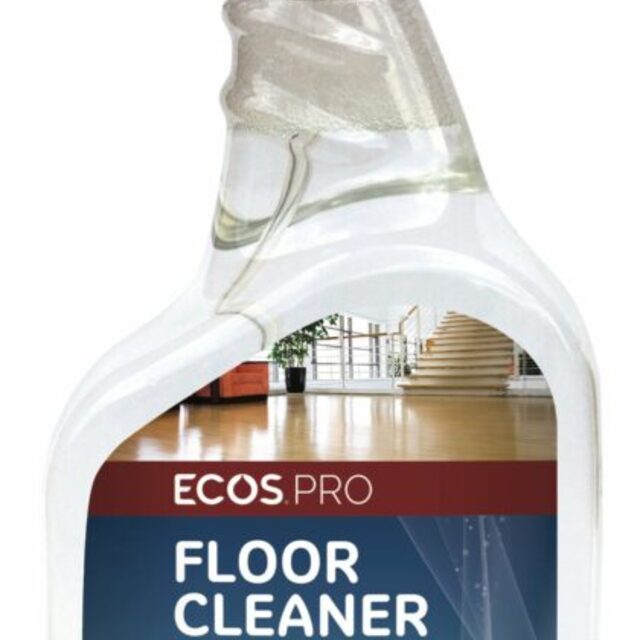
ECOS Floor Soap
EWG-A, plant-based surfactants, fragrance-free option available. Works on tile, sealed hardwood, laminate, and vinyl. No residue after mopping with the recommended dilution.
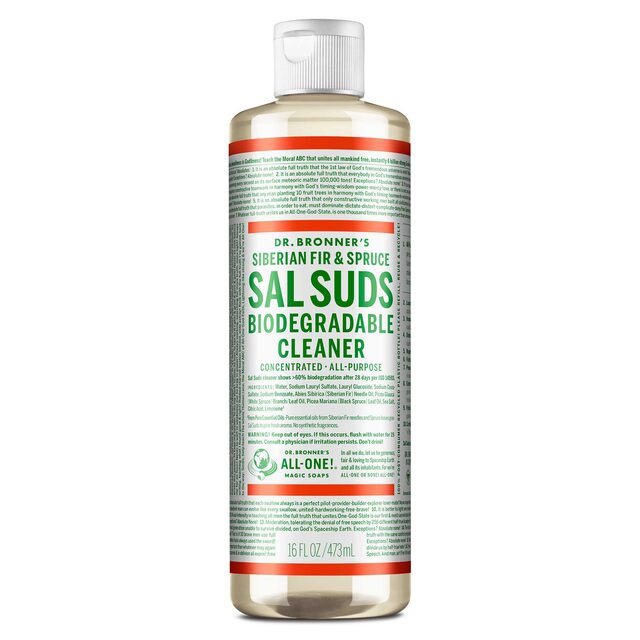
Dr. Bronner's Sal Suds
Not pure castile — Sal Suds is a synthetic-derived plant surfactant formula that doesn't react badly with hard water the way pure castile does. Highly concentrated. EWG B (the synthetic surfactant SCS keeps it from A). Excellent per-use cost.
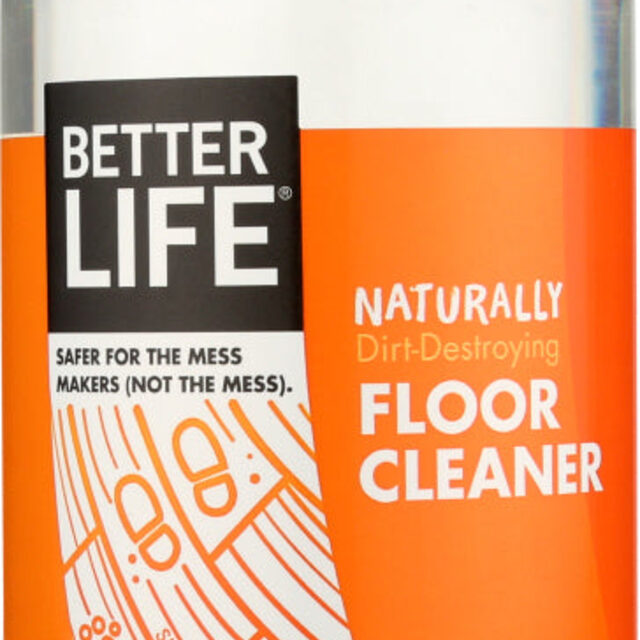
Better Life Floor Cleaner
EWG-A, plant-based, diluted for floor mopping. Safe on sealed hardwood and tile. Minimal residue at proper dilution. Good choice for households with pets and young children who spend time at floor level.
Frequently Asked Questions
Can I use a steam mop on a wood floor?
The National Wood Flooring Association advises against wet and steam mops because they can damage wood and its finish over time. Choose a cleaner intended for the floor's specific finish.
Can I use vinegar on laminate, vinyl, and stone?
Pergo provides a diluted vinegar recipe for laminate, but that does not make it suitable for other materials. Shaw advises against vinegar-based cleaners on its luxury vinyl, and the Natural Stone Institute advises against acidic cleaners on natural stone.
What should I use for routine luxury vinyl cleaning?
Remove loose dirt first. Shaw recommends a neutral-pH cleaner for periodic wet cleaning. Pergo's international LVT guidance uses diluted Pergo Floor Cleaner with a well-wrung mop, followed by another pass with the rinsed, wrung-out mop. Follow the routine for your flooring line.
Can Blueland Multi-Surface Cleaner replace a floor cleaner?
Blueland says its Multi-Surface Cleaner is not intended for general floor cleaning, although it permits spot cleaning on sealed floors.