Non-Toxic Bedroom Rugs 2026: Cotton and Wool Compared
Compare bedroom rugs by cotton and wool construction, washing requirements, backing disclosures, rug pads, and what textile certifications actually cover.
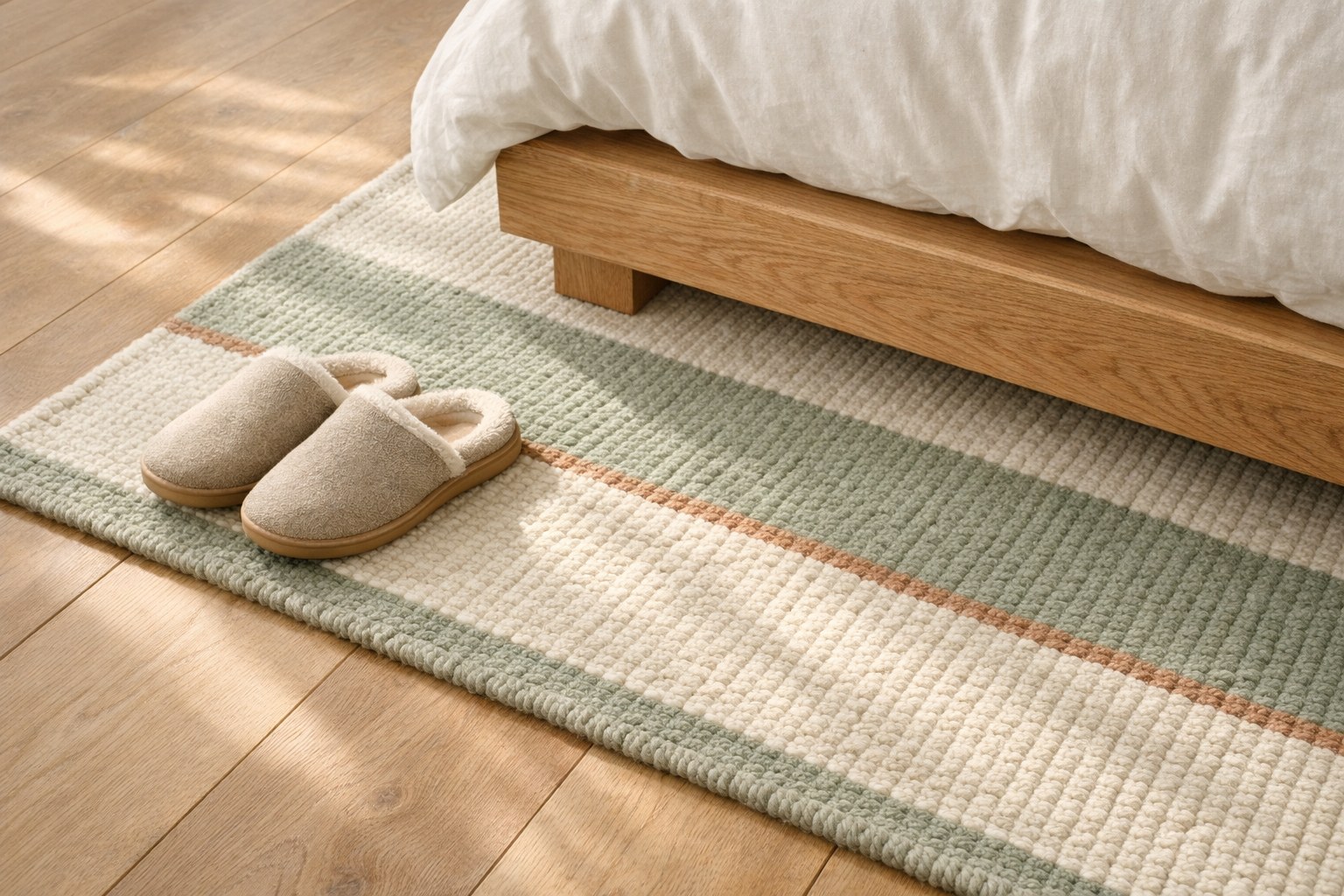
Featured Options Compared in This Guide
Full specs & notes ↓A cotton bedroom rug can make sense when washing is a priority. A wool rug may suit someone who prefers an undyed surface and can manage spot cleaning. Neither fiber alone establishes that the finished rug is “non-toxic” or free of emissions.
For a useful comparison, consider the exact rug’s construction alongside how you will clean it. The three options below offer different advantages: machine-washable cotton, undyed loom-woven wool without latex backing, and a wool–viscose blend intended for quiet bedrooms.
Cotton and wool bedroom rugs: the practical differences
| Exact rug | Manufacturer’s material description | Reason to consider it | Decision-changing limitation |
|---|---|---|---|
| Lorena Canals 1001 Nights | Pile: 97% cotton, 3% other fibers; recycled-cotton base | Machine washing with specific equipment and care requirements | Requires an 8 kg-capacity machine; instructions prohibit a center agitator |
| Hook & Loom Natural Wool Loom Hooked Rug — Solid Natural | Undyed wool woven on a specialty loom; manufacturer states no latex backing | An option for buyers prioritizing undyed wool and avoiding latex backing | Care centers on vacuuming, spot cleaning, and steam cleaning rather than a stated machine-wash routine |
| Armadillo Sierra | Wool and viscose blend | Manufacturer describes a soft, textured surface for bedrooms | Recommended for low-traffic areas only; the page does not specify blend percentages or backing materials |
Sources: Lorena Canals 1001 Nights, Hook & Loom Solid Natural, and Armadillo Sierra.
For a bedroom where washing matters: Lorena Canals 1001 Nights
The 1001 Nights rug has a cotton-dominant pile and a recycled-cotton base. Its listed size is 4 feet 7 inches by 6 feet 7 inches, and Lorena Canals specifies an 8 kg-capacity washing machine. The remaining 3% of pile fibers is not identified on the page, so this is not a fully specified all-cotton construction.
The washing instructions materially affect whether it fits your household: wash separately on a gentle cycle at no more than 86°F, avoid bleach and fabric softener, and do not use a machine with a center agitator. Low-temperature tumble drying is permitted, and the manufacturer says not to leave it sitting in the washer. Measure your intended floor area and establish that your laundry equipment meets these requirements before choosing it for washability. Source: Lorena Canals
Washable also does not mean maintenance-free or shed-free. Lorena Canals recommends regular low-powered vacuuming to manage shedding and warns against robot vacuums and beater bars that could damage the pile. This is a useful option when you can carry out its actual cleaning routine; the cotton label alone is not the deciding factor. Source: Lorena Canals
For undyed wool without latex backing: Hook & Loom Solid Natural
Hook & Loom describes this particular rug as undyed wool woven on a specialty loom without latex backing. That makes it relevant when avoiding added dye and latex backing is a purchasing priority. Those construction statements do not establish a measured VOC emission level or guarantee that everyone will tolerate the rug.
The manufacturer offers a swatch, which is a practical way to assess the texture under bare feet before committing to a bedroom-size rug. Its care instructions call for vacuuming without a beater bar, blotting spills, and testing spot remover on a back corner before wider use. It also permits steam cleaning and recommends a non-skid pad to reduce shifting. Choose it if that maintenance routine suits you; do not assume it can replace a machine-washable cotton rug in the laundry. Source: Hook & Loom
For a low-traffic bedroom: Armadillo Sierra
Sierra is a wool–viscose blend, rather than an all-wool rug. Armadillo identifies bedrooms as an area of use, describes a soft, knit-like texture, and explicitly limits its recommendation to low-traffic spaces. That restriction matters if the rug would sit in a frequently used route between the bedroom door and an adjoining bathroom.
The page links to a specification sheet and Declare label, but the page text itself does not provide their contents. It therefore does not establish the backing, blend percentages, or emissions performance. Consider Sierra for its stated bedroom use and texture, with the low-traffic restriction carrying more weight than a general assumption that wool means durability. Source: Armadillo
For marketplace browsing, this Amazon search for Armadillo wool bedroom rugs may be useful. It is an affiliate link; GreenChoice may earn a commission from qualifying purchases. Search results may include other brands or constructions and do not establish availability of Sierra.
What matters for bedroom air
In guidance about school carpets, the EPA identifies new carpet systems—including backing adhesives, cushion, and installation adhesives—as sources of VOC emissions. It does not identify one backing material as the dominant source for every rug, or establish that cotton emits less than wool.
The practical implication is to consider the rug and anything underneath it together. A cotton pile, recycled base, or absence of latex backing answers a material question; none supplies a complete emissions result. If indoor emissions are your deciding concern, ask for emissions documentation covering the exact finished rug and the pad you intend to use. Source: EPA
Maintenance matters too. The EPA explains that carpet can accumulate dust and other contaminants, while regular effective vacuuming removes trapped particles. It also warns that persistent dampness can support microbial growth. For a bedroom, choose a rug you can routinely clean and thoroughly dry. Ventilation can reduce initial emissions, but the EPA does not describe it as eliminating them. Source: EPA
Match the certification to your concern
These labels address different purchasing questions. Their descriptions do not establish that any rug above holds the certification.
| Label | What it addresses | How to use it when choosing a rug |
|---|---|---|
| OEKO-TEX STANDARD 100 | Testing textile articles and components for harmful substances, with requirements based on intended use | Look for a certificate covering the article you are buying; use its certificate number or QR code in the organization’s Label Check |
| GOTS | Organic fiber content plus processing, environmental, chemical, and social criteria across the certified supply chain | Distinguish its label grades: at least 95% certified organic fibers for “Organic,” or at least 70% for “Made with Organic Materials” |
| GoodWeave | Requirements prohibiting child, forced, and bonded labor, supported by inspections and producer traceability | Use it to evaluate labor assurances; it does not answer your rug’s VOC question |
Sources: OEKO-TEX STANDARD 100, GOTS key features, and GoodWeave label.
An organic-cotton claim should not be expanded into a claim that the finished rug is GOTS-certified. Likewise, a harmful-substance testing label should not be described as proof of zero emissions.
Choose the pad separately
Earth Weave’s gallery lists a carpet gripper made from 100% natural rubber and Enertia padding made from 100% natural wool. These are distinct options to investigate depending on whether you need grip, cushioning, or both. The gallery does not provide emissions results or establish compatibility with your particular floor finish, so natural rubber should not be treated as an automatic zero-emission or universally suitable choice. Source: Earth Weave
The same gallery describes several Bio-Floor carpet faces as undyed, untreated wool with a hemp/cotton primary backing. This illustrates why it helps to separate face fiber from backing in a comparison; those listed layers alone do not describe every part of the finished construction. Source: Earth Weave
Before ordering, decide whether the rug will be washed, spot-cleaned, or professionally maintained; whether its position meets any traffic restrictions; and what pad your flooring can accommodate. For these options, those decisions distinguish a workable bedroom purchase more clearly than the phrase “natural fiber.”
Sources
Products Compared in This Guide
Amazon search for Armadillo wool bedroom rugs
Compare current manufacturer specifications, materials, and package options for Amazon search for Armadillo wool bedroom rugs.
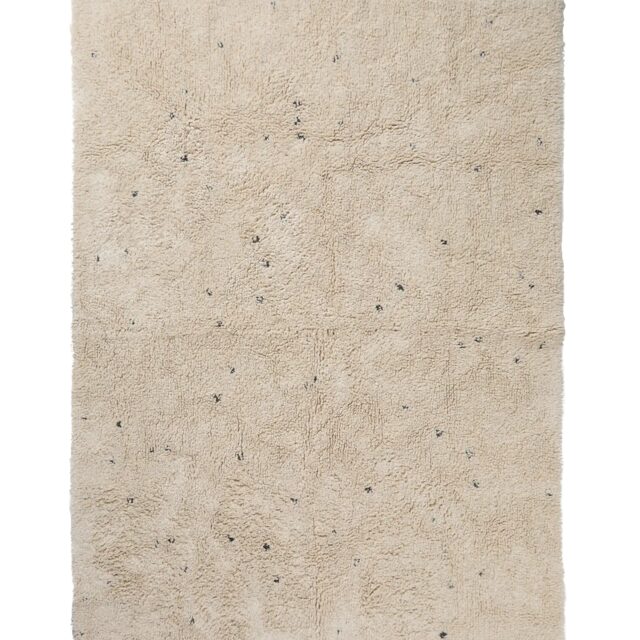
Lorena Canals Washable Cotton Rug
OEKO-TEX certified organic cotton, fully machine washable, soft underfoot. The only rug published specifications indicate that I could throw in the washer when life happened. Standout for kids' rooms and primary bedrooms with morning coffee risk.
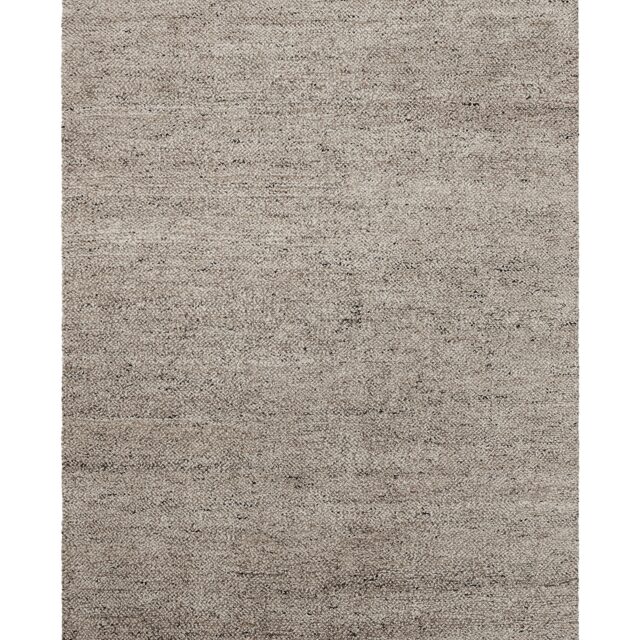
Armadillo Wool Bedroom Rug
Fair Trade, hand-woven wool, no synthetic backing. Genuinely heirloom-quality construction. Expensive but lasts 20+ years with rotation and care. The reference standard for bedroom-rug purists.
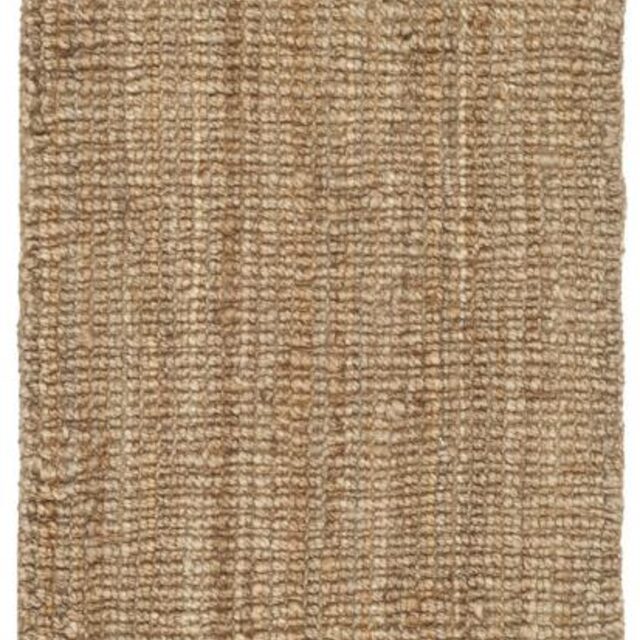
Safavieh Natural Fiber Jute Rug
100% jute, no latex backing in the natural-fiber line (check the SKU — some Safavieh rugs have latex). Best price-to-sustainability ratio for a bedroom rug. Sheds for the first 4-6 weeks then stabilizes.