
This post may contain affiliate links. If you make a purchase through these links, we may earn a small commission at no extra cost to you. Learn more.
Reducing energy bills while enhancing the comfort of your home is a win-win scenario. With the right energy-efficient home upgrades, you can achieve both goals and increase your property’s value. This guide will explore five practical upgrades that deliver real, measurable savings. Whether you’re looking to cut down on electricity costs or reduce your carbon footprint, understanding these upgrades is crucial.
Investing in energy efficiency isn’t just about saving money; it’s also about making a positive environmental impact. From improved insulation to smart home devices, these upgrades are at the forefront of creating sustainable living spaces. Let’s explore how you can transform your home into an eco-friendly haven.
Understanding Energy-Efficient Home Upgrades
Energy-efficient home upgrades involve modifications or installations that reduce energy consumption without sacrificing comfort. These upgrades often include improved insulation, energy-efficient appliances, and smart home technologies. According to the U.S. Department of Energy, homes that implement these upgrades can reduce energy use by up to 30%.
These upgrades vary in complexity and cost, from simple fixes like replacing old light bulbs to more substantial investments like solar panels. The key is selecting those that align with your energy-saving goals and budget.
Benefits of Investing in Energy Efficiency
Investing in energy efficiency provides several benefits, both financial and environmental. Lower energy bills are the most immediate advantage, often resulting in significant savings over time. For instance, upgrading to energy-efficient windows can save you up to $465 annually on heating and cooling costs, according to Energy Star.
Beyond financial savings, these upgrades contribute to a healthier living environment. Reduced energy consumption means fewer emissions, which helps combat climate change. Additionally, energy-efficient homes often have better indoor air quality, thanks to improved ventilation systems.

5 Home Upgrades That Deliver Real Savings
Let’s explore five energy-efficient home upgrades that can make a substantial difference in your utility bills and overall energy consumption:
- Smart Thermostats: Devices like the Nest Learning Thermostat adjust heating and cooling based on your habits, potentially saving up to 15% on energy bills.
- LED Lighting: Replacing incandescent bulbs with LED versions can cut lighting energy use by 75%. LEDs also last 25 times longer, reducing replacement costs.
- High-Efficiency Appliances: Investing in appliances with the Energy Star label can save hundreds annually. A high-efficiency washing machine alone can reduce water usage by up to 40%.
- Solar Panels: Although the initial investment is high, solar panels can eliminate or significantly reduce electricity bills. Many states offer tax incentives to offset installation costs.
- Improved Insulation: Proper insulation in walls, attics, and floors can reduce heating and cooling needs by up to 30%, according to the Environmental Protection Agency.
How to Choose the Right Upgrade for Your Home
Choosing the right energy-efficient home upgrades depends on several factors, including your home’s current energy usage, budget, and long-term goals. Conducting an energy audit can help identify areas of improvement and prioritize upgrades.
Consider the cost-benefit ratio of each option. For instance, while solar panels offer significant savings, their high upfront cost might not be feasible for every homeowner. In contrast, upgrading to LED lighting offers immediate savings with minimal investment.
Research potential rebates and incentives in your area. Many local governments and utilities offer financial incentives to encourage energy-efficient upgrades. These can significantly reduce the overall cost of larger projects like solar panel installation or insulation improvements.

Our Top Picks for Energy-Efficient Home Upgrades
Here are our top product recommendations for energy-efficient upgrades:
- Live in a Home that Pays You Back: A Complete Guide to Net Zero and Energy-Efficient Homes — This comprehensive guide is a must-read for anyone serious about achieving net-zero energy consumption. Check Price on Amazon
- The Energy-Smart House — Offers practical advice and strategies for making your entire house energy-efficient. Check Price on Amazon
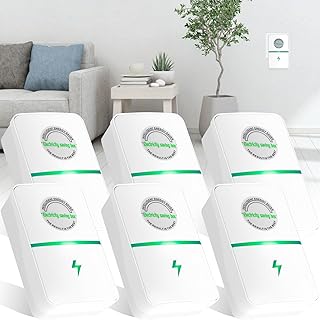
- Stopwatt SmartPlug Device, Stop Watt Device Plug-in for Home & Office US Plug 90V-250V 30KW 6Pack — Great for reducing phantom loads and managing energy use efficiently. Check Price on Amazon
Best Energy-Efficient Ceiling Fans vs. Smart Thermostats
Choosing between energy-efficient ceiling fans and smart thermostats often depends on your climate and lifestyle. Ceiling fans are excellent for maintaining airflow and reducing reliance on air conditioning, particularly in warmer regions. However, smart thermostats offer broader control over your home’s climate, making them more versatile for year-round use. Both provide energy savings, but smart thermostats generally offer a quicker return on investment due to their adaptability and automation features.


Frequently Asked Questions
How much can I save with energy-efficient home upgrades?
The savings depend on the type and scale of the upgrades. On average, homeowners can save between 5% to 30% on their energy bills by implementing various energy-efficient upgrades, according to the U.S. Department of Energy.
Are there any government incentives for energy-efficient upgrades?
Yes, many states offer incentives such as tax credits, rebates, and grants to encourage energy-efficient home improvements. It’s advisable to check with local utility companies or government websites for specific programs available in your area.
What is the most cost-effective energy-efficient upgrade?
LED lighting is one of the most cost-effective upgrades. It requires minimal investment and provides immediate savings on electricity bills. Additionally, LEDs have a longer lifespan, reducing the need for frequent replacements.
How do I know which appliances are energy-efficient?
Look for the Energy Star label when purchasing appliances. Products with this label meet strict energy efficiency guidelines set by the U.S. Environmental Protection Agency and the Department of Energy.
Is upgrading insulation worth the cost?
Yes, upgrading insulation can be very cost-effective in the long run. Proper insulation reduces heating and cooling costs significantly by maintaining your home’s temperature more efficiently. This leads to lower energy bills and increased comfort.
Key Takeaways
- Best Overall: Live in a Home that Pays You Back — Ideal for those new to energy-efficient living, offering a comprehensive approach to savings.
- Best Value: Stopwatt SmartPlug Device — Provides immediate energy management benefits at a low cost.
- Best for Comprehensive Guidance: The Energy-Smart House — Perfect for homeowners looking to undertake multiple energy-efficient projects.
Energy-efficient home upgrades are a smart investment for both your wallet and the planet. By selecting the right upgrades and taking advantage of available incentives, you can significantly reduce your energy consumption and enjoy a more comfortable home. Whether you start small with LED lights or go big with solar panels, each step contributes to a more sustainable future.

From Our Network
Rude Insect — Sustainable farming & gardening guides, tips, and product reviews
FarmsFlo — Free farm management app for planting schedules, harvests, and operations
BoingyBooks — Publish and discover ebooks, interactive read-alongs, and audiobooks