
This post may contain affiliate links. If you make a purchase through these links, we may earn a small commission at no extra cost to you. Learn more.
Spring is the perfect time to hit the trails, and what better way to do it than with a pair of sustainable hiking boots? The hiking community increasingly values eco-friendly gear, turning the spotlight on boots that not only protect your feet but also the planet. As you prepare for your 2026 hiking adventures, choosing boots made from sustainable materials can make a significant difference.
Many top brands are now integrating recycled materials, ethical production methods, and carbon-neutral shipping practices. These boots aren’t just about reducing your environmental footprint but also ensuring durability, comfort, and style. After all, your hiking experience shouldn’t be compromised by your commitment to the environment.
With a plethora of options available, selecting the right sustainable hiking boots can be overwhelming. This guide will help you navigate through the best options, highlighting key features and top brands, so you can make an informed choice that aligns with your values.
Why Choose Sustainable Hiking Boots?
Sustainable hiking boots are crafted with the environment in mind, using materials that are renewable, recycled, or biodegradable. By opting for these boots, you’re supporting brands that prioritize ecological balance and sustainable practices. According to estimates from the Environmental Protection Agency, the footwear industry contributes significantly to landfills, with over 300 million pairs discarded annually. Choosing sustainable options reduces this impact.
These boots often incorporate innovations like water-based adhesives and dyes, which are less harmful to waterways and wildlife. The benefits extend beyond the environment, offering excellent performance and comfort through advanced design and materials.
Key Features to Look for in Eco-Friendly Boots
When shopping for sustainable hiking boots, several features distinguish them from conventional options:
- Recycled Materials: Look for uppers and soles made from recycled plastics or rubber.
- Natural Fibers: Materials like organic cotton or responsibly sourced leather can offer comfort and durability.
- Certifications: Certifications such as the Global Organic Textile Standard (GOTS) or Forest Stewardship Council (FSC) ensure ethical sourcing.
- Eco-Friendly Manufacturing: Processes that minimize water and energy use are a big plus.
Additionally, consider the type of hiking you’ll be doing. Lightweight models are perfect for day hikes, while more robust designs offer support and protection for backpacking trips.

Top Brands Leading the Sustainable Footwear Movement
Several brands are at the forefront of the sustainable footwear movement, each bringing unique innovations to their designs:
- Patagonia: Known for their commitment to the environment, they use recycled materials and promote fair trade practices.
- Allbirds: Famous for their wool runners, Allbirds is making strides in hiking boots with their tree-based materials.
- Vivobarefoot: Their ultra-minimalist designs use algae-based foams and recycled plastics.
These brands set the standard, proving that eco-friendliness and high performance can go hand in hand.
Care and Maintenance Tips for Longevity
Proper care extends the life of your sustainable hiking boots, maximizing your investment and reducing waste. Regular cleaning with mild soap and water keeps materials free of dirt and grime, which can degrade fabrics over time. Allow boots to air dry naturally, avoiding direct heat sources that can warp or damage them.
Conditioning leather with plant-based oils can enhance water resistance and maintain flexibility. For synthetic materials, a light spray of eco-friendly water repellent can help maintain performance. Proper storage—cool, dry places—also prevents mold and material breakdown.

Our Top Picks for Sustainable Hiking Boots
Columbia
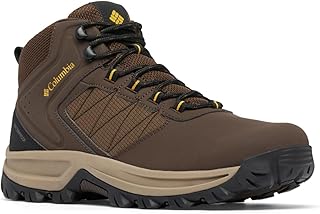
The Columbia sustainable hiking boots offer a breathable mesh construction with recycled materials, perfect for warmer climates. They provide excellent traction and comfort for long hikes. Check Price on Amazon
Timberland
Known for durability, Timberland offers a model crafted from responsibly sourced leather and recycled rubber soles. These boots are built to withstand challenging terrains while maintaining an eco-friendly profile. Check Price on Amazon
Merrell
Merrell combines a recycled PET upper with a Vibram sole, delivering a balance of sustainability and performance. These boots are ideal for those seeking a lightweight yet sturdy option. Check Price on Amazon
Key Takeaways
- Best Overall: Merrell — Combines eco-friendly materials with outstanding performance and comfort.
- Best Value: Columbia — Offers affordability without compromising on sustainability.
- Best for Rough Terrain: Timberland — Durable and designed for tough trails with eco-conscious materials.


Frequently Asked Questions
What materials are commonly used in sustainable hiking boots?
Sustainable hiking boots often feature recycled plastics, natural rubber, organic cotton, and responsibly sourced leather. These materials are chosen for their minimal environmental impact and durability.
How do I know if a brand is truly sustainable?
Look for certifications such as GOTS or FSC, which verify environmentally responsible practices. Researching a brand’s supply chain transparency and their initiatives for reducing carbon footprints can also help.
Are sustainable hiking boots more expensive?
While some eco-friendly boots may be priced higher due to the cost of sustainable materials and ethical production, many brands offer competitive pricing. Options like Columbia provide budget-friendly choices.
Do sustainable hiking boots perform as well as traditional ones?
Yes, sustainable hiking boots often match or exceed the performance of traditional boots. They incorporate advanced technology and materials that offer comfort, durability, and protection.
How can I ensure my hiking boots last longer?
Regular cleaning, proper storage, and using conditioners or water repellents designed for the specific materials of your boots can significantly enhance their lifespan. Avoid exposure to extreme heat or moisture.
Choosing sustainable hiking boots doesn’t mean compromising on quality or style. With options like Columbia, Timberland, and Merrell, you can enjoy your outdoor adventures knowing you’re treading lightly on the earth. For more eco-friendly gear, consider exploring recycled material backpacks or sustainable laptop bags to complement your hiking essentials.

From Our Network
Rude Insect — Sustainable farming & gardening guides, tips, and product reviews
FarmsFlo — Free farm management app for planting schedules, harvests, and operations
BoingyBooks — Publish and discover ebooks, interactive read-alongs, and audiobooks